Magazine













"TOMMI" awarded HanseMerkur prize for child protection
General
Editor
September 28, 2023
Safe and Critical Use of Digital Media for Parents and Children
The “TOMMI German Children’s Software Award” Receives the HanseMerkur Award for Child Protection
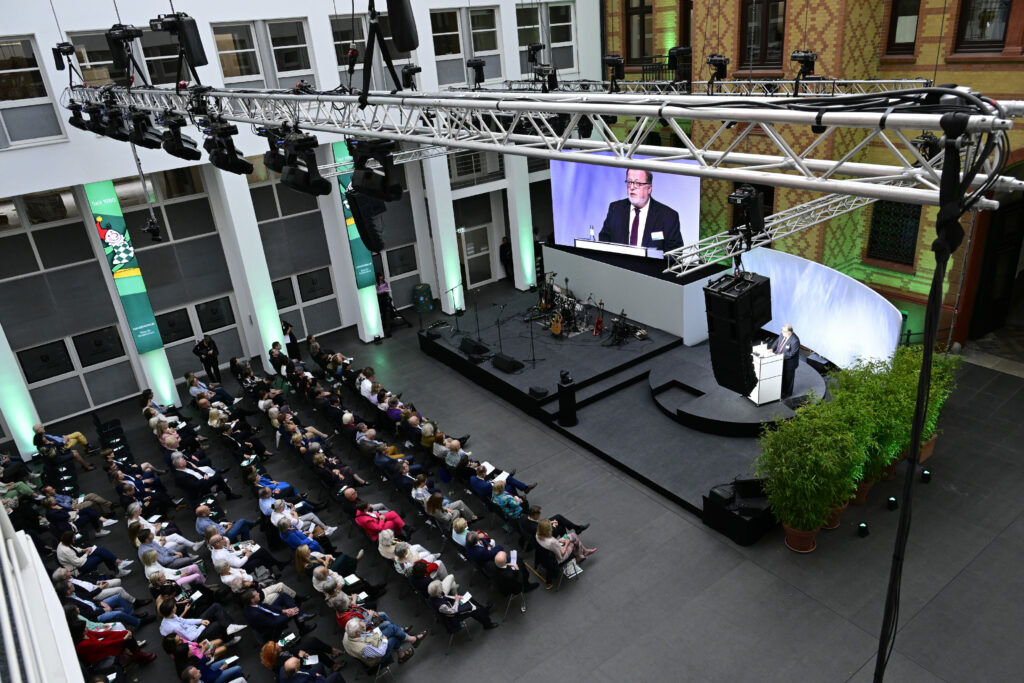
Hamburg, September 28, 2023. The HanseMerkur Prize for Child Protection, a nationally renowned award for exceptional achievements in the field of child and youth protection, will be presented this year to, among others, an initiative that has been working tirelessly for over 20 years to promote safe and responsible use of digital media by children and adolescents. The award goes to the “German Children’s Software Award TOMMI” and its founder, journalist and author Thomas Feibel. The award ceremony will take place on September 28, 2023, at HanseMerkur’s headquarters in Hamburg and honors the exemplary commitment to empowering children and parents to engage with the digital world in a conscious and critical manner. The “German Children’s Software Award TOMMI” is being honored with a recognition award and will receive 10,000 euros to further support the project.
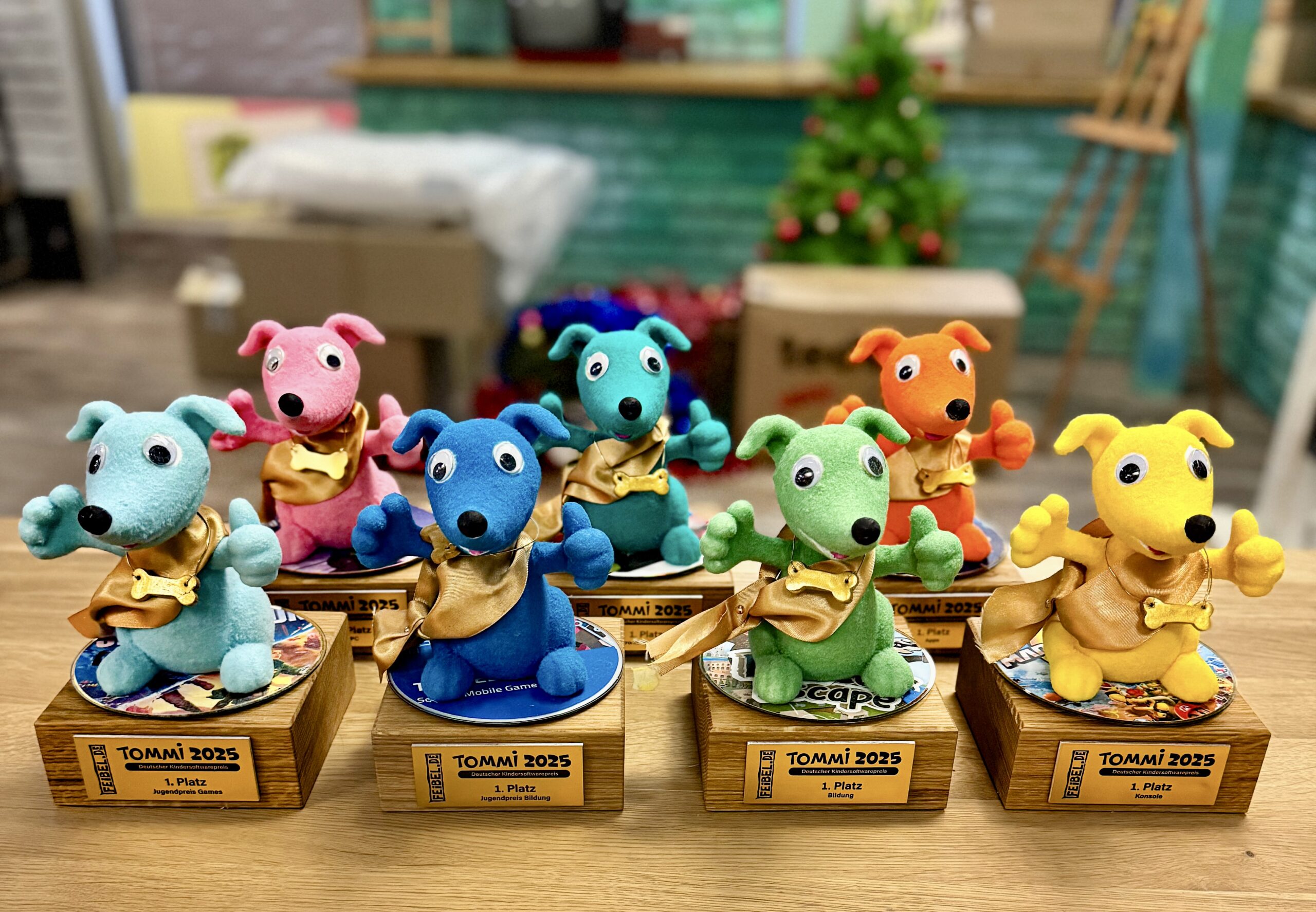
Given the increasing speed, diversity, and—for many—confusion surrounding digitalization, former Chancellor Angela Merkel’s 2013 statement that “the Internet is uncharted territory for all of us” remains true, at least in part. Particularly when it comes to children’s and teenagers’ use of digital media, there is often a lack of awareness regarding potential dangers and challenges such as cyberbullying, cybergrooming, or the consequences of excessive use. This is where the German Children’s Software Award TOMMI comes in. Since 1995, journalist and children’s and young adult author Thomas Feibel has been dedicating his passion and expertise to the topic of children and their use of digital media. Not only has he written numerous articles, guidebooks, and young adult novels on the subject, but in 2002 he also founded the TOMMI Children’s Software Award, which is now regarded as a seal of quality for high-quality digital games, apps, and educational software—so valuable, in fact, that the Federal Ministry for Family Affairs has served as its patron for many years.
Empowering children to engage critically with digital media
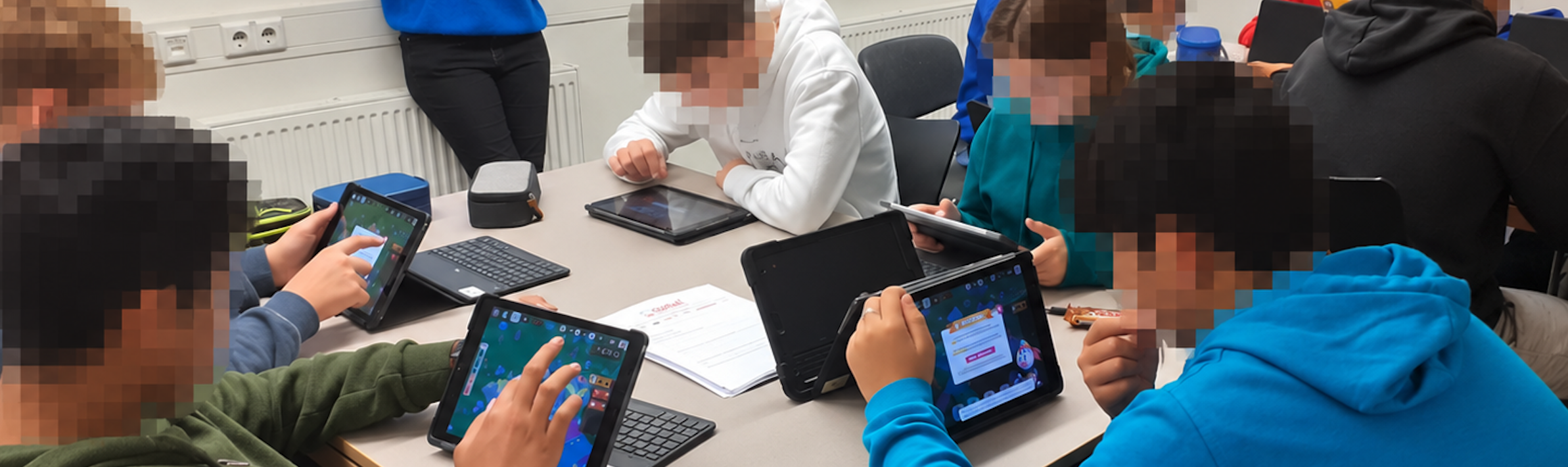
The TOMMI Children’s Software Award aims to teach children and school classes how to approach computer, educational, and console games as well as apps critically, and it relies on the active participation of children and teens. Since 2008, the TOMMI has been held in public libraries, as these institutions are now leaders in the education sector when it comes to teaching a wide range of reading skills. This applies not only to books but also to electronic media and games. Libraries provide the venue, the games, and the devices—and, above all, knowledgeable staff to offer guidance. Furthermore, libraries are democratic institutions: here, children—especially those who may not be able to afford computers, consoles, or tablets at home—gain access to new media. The participating libraries thus serve as the first and most reliable points of contact for media literacy and media use. Library staff support children in learning how to use digital media safely and meaningfully. “TOMMI enables low-threshold participation for children from all social backgrounds while simultaneously promoting their media literacy and experience with democracy,” explains Katrin Hartmann, deputy executive director of the German Library Association.
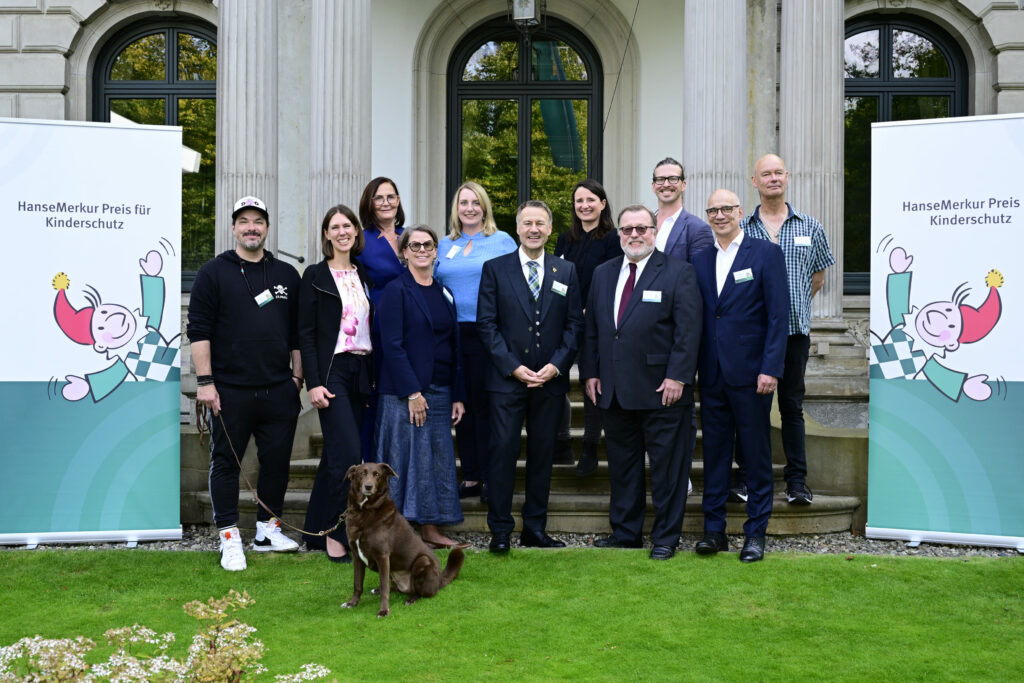
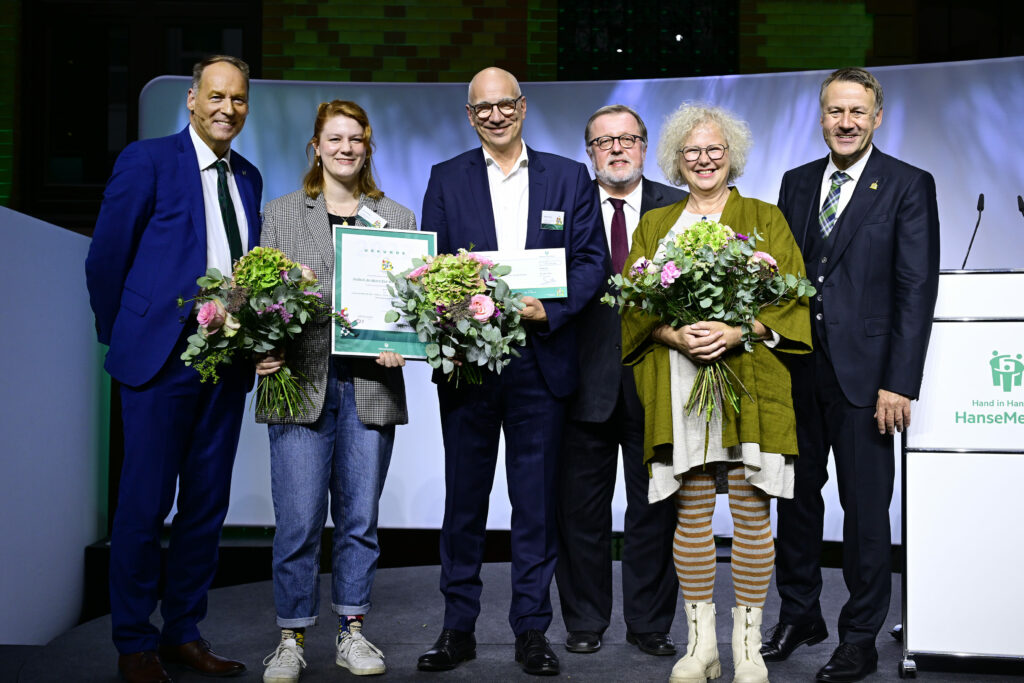
All winners of the HanseMerkur Child Protection Award (Photo credit: HanseMerkur/Michaela Kuhn)
Children's Jury Evaluates Nominated Video Games
The TOMMI selection process is transparent and participatory. An adult jury, consisting of specialized journalists and educators, makes a preliminary selection of products eligible for the award. Then it’s the children’s and teens’ turn: Children between the ages of 8 and 16 who are well-versed in video games can apply at the listed libraries. Children applying individually fill out a questionnaire in advance that details their experiences. The children’s jury consists of at least 20 children, though it may be larger depending on the size of the library. The jury commits to testing all nominated games. The testing phase can be intensive, involving up to three hours of continuous play. Each child has their own folder for documenting the test results, but the children also share their impressions, coordinate with one another, and explain the reasons behind their choices—which, incidentally, fosters their understanding of democracy. This is because, through the Germany-wide voting process, a game or educational offering may ultimately emerge as the winner even if it had performed quite differently at their own library. During a four-week testing phase, the children’s jury evaluates the nominated games, apps, and educational software. This generates valuable feedback directly from the target audience, which contributes to the further development and improvement of the products. About 3,000–4,000 children and teenagers participate each year. Afterward, the TOMMI Award is presented publicly on the children’s channel KiKA’s show “Team Timster,” amid significant media attention.
Libraries Benefit from TOMMI
A positive side effect: Thanks to TOMMI, libraries are seeing an increase in visitors. On the one hand, children who otherwise would not have visited a library are coming in; on the other hand, the library leaves a lasting positive impression. Many children can hardly believe that they’re allowed to play here and that, in addition to books, they can also borrow video games or musical instruments. In this way, many adolescents overcome the so-called “reading slump” and are encouraged to read again through the gaming offerings. However, TOMMI doesn’t just focus on games and digital entertainment; it also places special emphasis on educational software and inclusion. Since 2021, the Kindergarten Incentive Award has recognized field-tested concepts from daycare centers that teach responsible use of digital media by helping families with young children develop a thoughtful and responsible approach to digital media and by guiding children from being passive media consumers to becoming digital tinkerers and active creators.
Accessibility of digital media is a key priority
In addition, the “TOMMI inklusiv” initiative was launched, in which children with and without disabilities test and evaluate the accessibility of digital media. Are the tutorials easy to understand? Can sounds, colors, speed, and key assignments be customized so that all children—regardless of any disability—can use the software? The goal is to assess and publicize the extent to which the industry is already incorporating inclusion into its thinking. TOMMI founder Thomas Feibel explains: “Children have the final say at TOMMI. The media literacy project takes the issue of participation very seriously. Children are experts and decide on their own which games and educational offerings they want to recognize. In this way, they learn that their voice matters and that they are actually heard. In doing so, TOMMI aims to promote the positive cultural significance of gaming in society, while also giving even greater visibility to the valuable work of public libraries as the most important mediators of media literacy.”

Eberhard Sautter, CEO of HanseMerkur, also emphasizes the importance of using digital media appropriately: “At a time when digital media are playing an increasingly significant role in children’s lives, it is crucial that parents and educators be able to identify high-quality offerings. The TOMMI Children’s Software Award not only promotes good digital products but also fosters children’s media literacy. In this way, they learn to think critically and consume content mindfully.” The HanseMerkur Award for Child Protection therefore honors TOMMI “as a pioneering initiative that actively involves children and young people and empowers them to navigate the digital world with confidence. The award also recognizes the exemplary commitment of Thomas Feibel and his team, who use positive approaches to educate, empower, and highlight the opportunities offered by digital media,” said Sautter.
About theHanseMerkur Award for Child Protection
During the UN Year of the Child in 1979,HanseMerkurcommissioned Prof. Dr. Hedwig Wallis, then director of the Psychosomatic Department at theUniversity Children’s Hospital in Hamburg, a study that demonstrated that the presence of the mother plays a crucial role in accelerating the recovery process and preventing psychological harm during children’s hospital stays. This finding led, one year later, to the “Mother-and-Child Plan,” with whichHanseMerkurbecame the first private health insurer to cover “rooming-in.” At the same time, in 1980, theHanseMerkur Award for Child Protectionwas announced for the first time under the motto “Caring for children is preparing for the future.”
The award honors individuals, private initiatives, and groups in Germany who, largely on a volunteer basis and with the utmost dedication, champion the interests of children and adolescents in an exemplary manner. This may take place in the areas of psychosocial, medical, or social assistance or prevention. A ten-member jury of renowned child advocates—including Heinz Hilgers (The Child Protection Association), Georg Graf Waldersee (German Committee forUNICEF), and Prof. Dr. Sabine Walper (German League for Children)—ensures the transfer of expertise and quality control during the annual selection of outstanding initiatives in child and youth protection. Since 1980, approximately 3,800 projects have applied. To date, 177 projects have been honored, receiving prize money totaling 1.4 million euros.
Photo Gallery and More Highlights from the Awards Ceremony
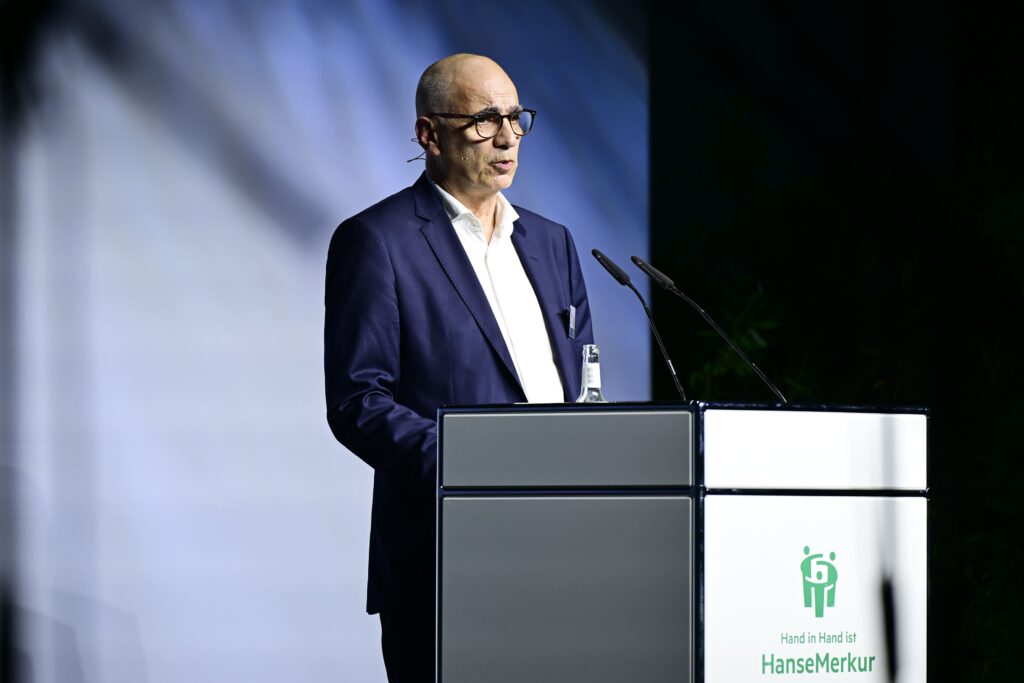
Photo credits: HanseMerkur/Michaela Kuhn
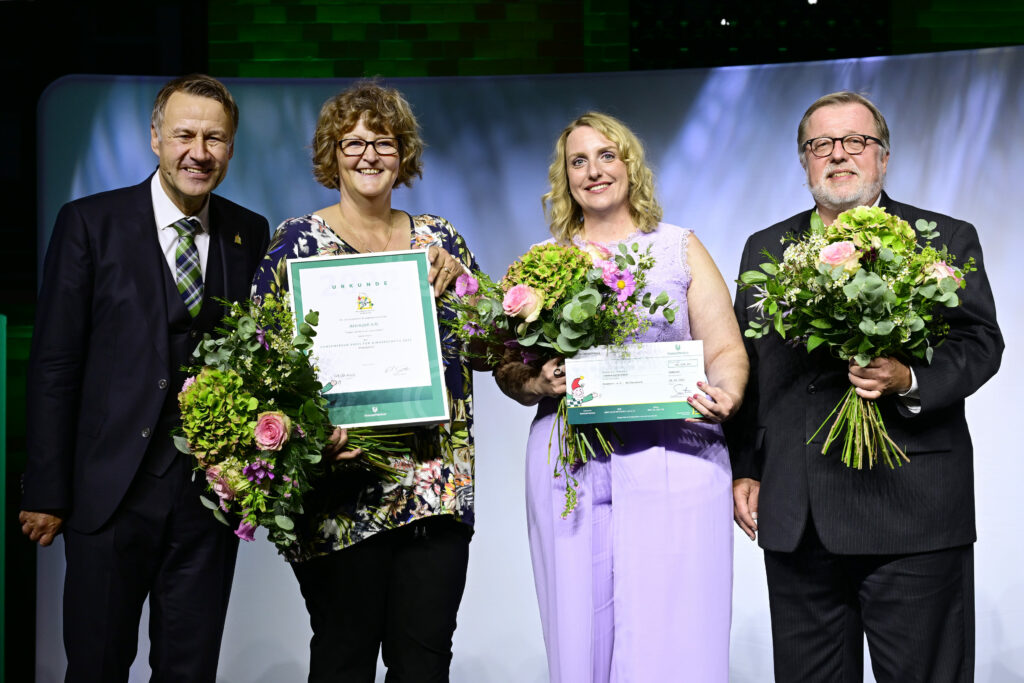
Photo credits: HanseMerkur/Michaela Kuhn
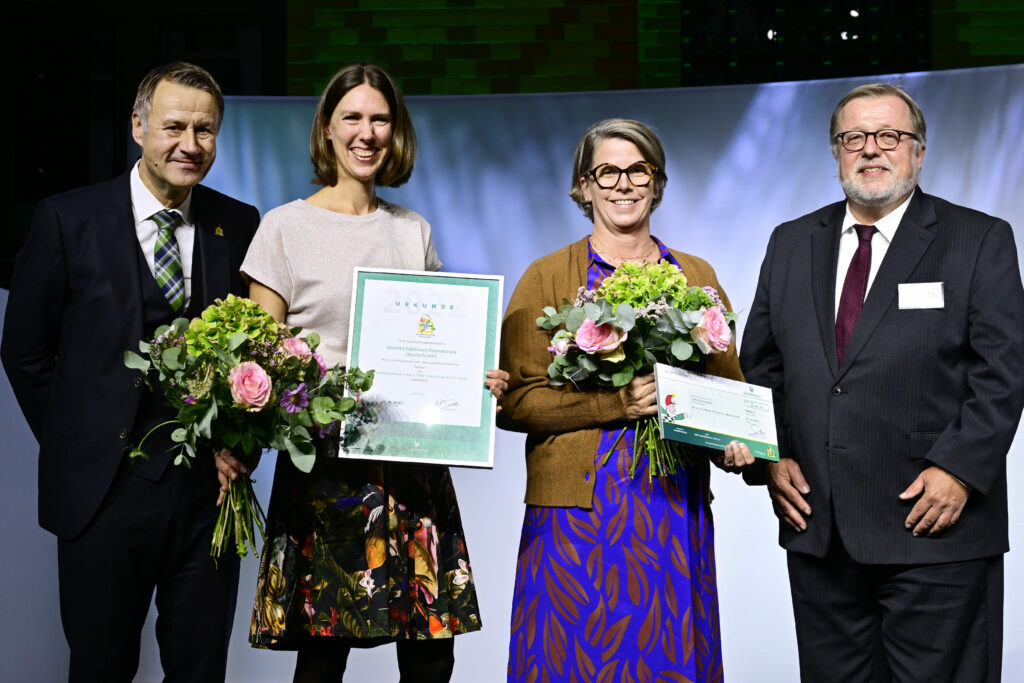
Photo credits: HanseMerkur/Michaela Kuhn
Photo credits: HanseMerkur/Michaela Kuhn
Photo credits: HanseMerkur/Michaela Kuhn

Photo credits: HanseMerkur/Michaela Kuhn
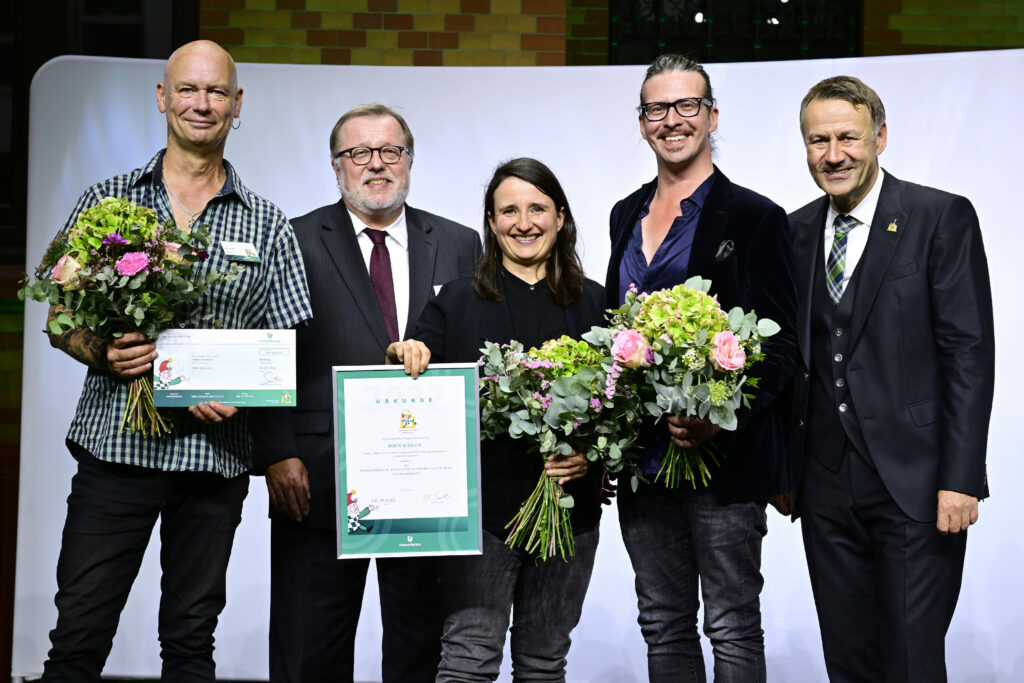
Photo credits: HanseMerkur/Michaela Kuhn
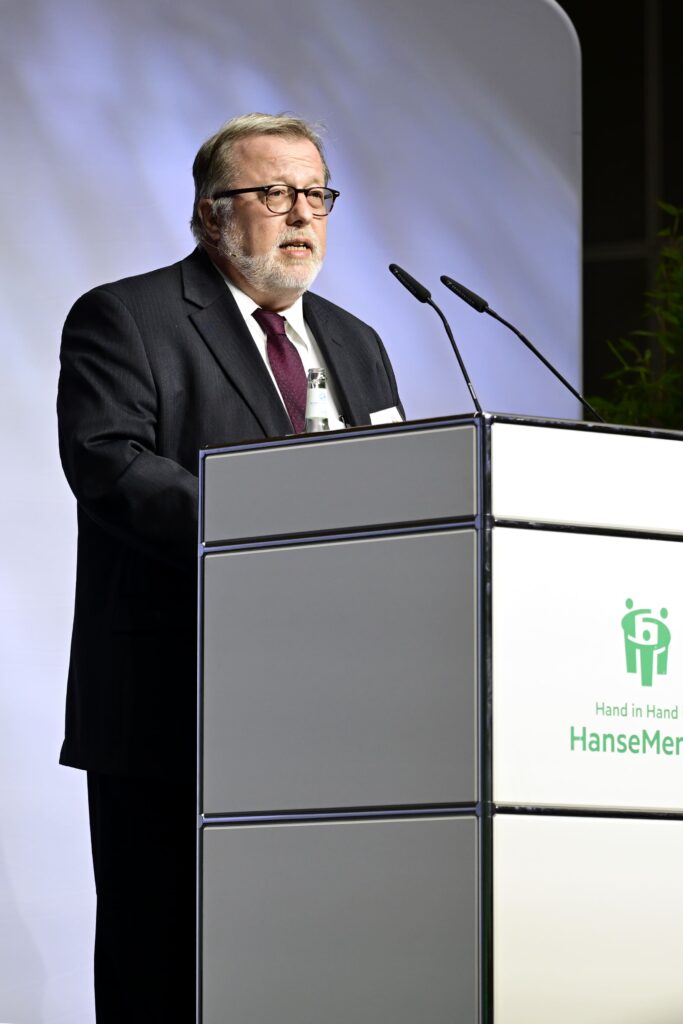
Photo credits: HanseMerkur/Michaela Kuhn
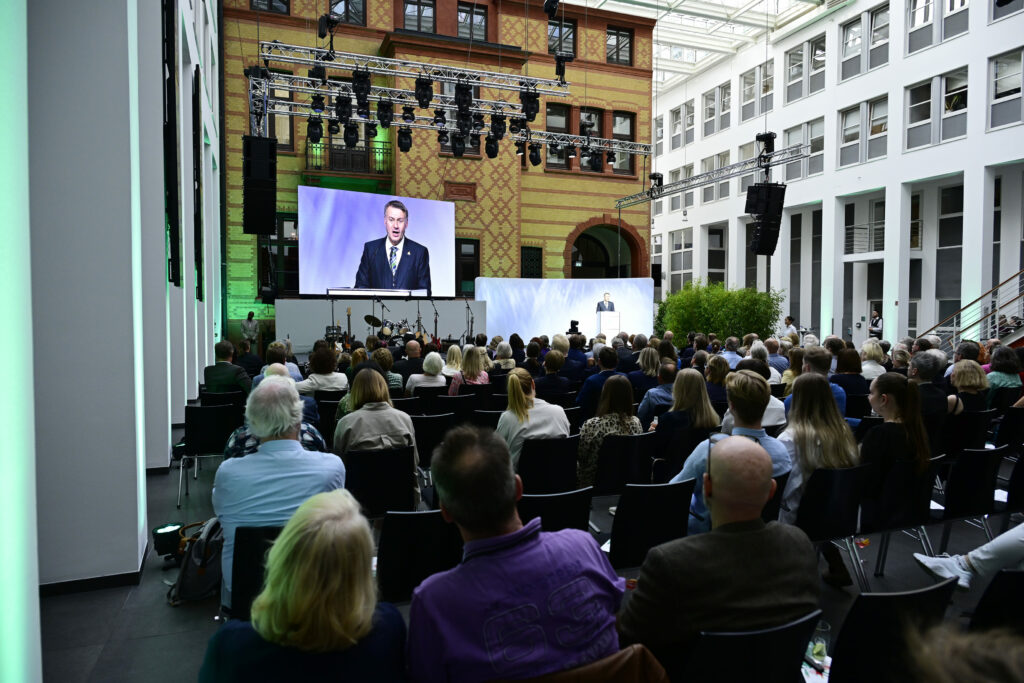
Photo credits: HanseMerkur/Michaela Kuhn

Photo credits: HanseMerkur/Michaela Kuhn
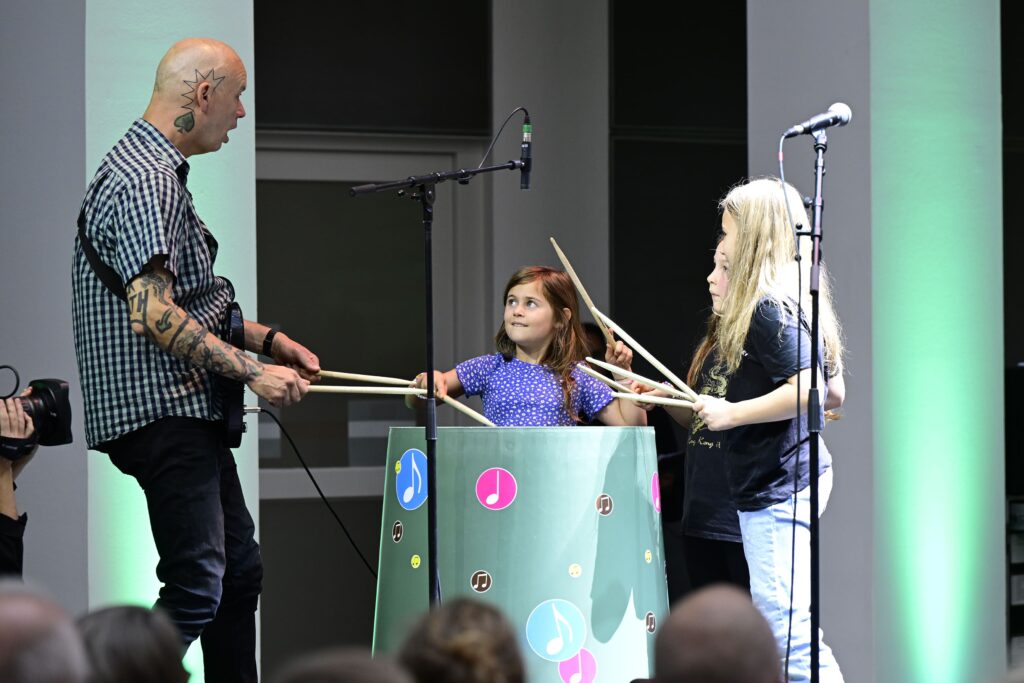
Photo credits: HanseMerkur/Michaela Kuhn

Photo credits: HanseMerkur/Michaela Kuhn

Photo credits: HanseMerkur/Michaela Kuhn

Photo credits: HanseMerkur/Michaela Kuhn
About TOMMI
TOMMI.kids is the landing page for all TOMMI activities and is aimed at parents, educators, libraries, and influencers. The focus is on successfully organized events for children and teens—featuring meaningful participation, concrete media literacy training, and lots of fun. These offerings include the renowned German Children’s Software Award TOMMI, the TOMMI Digital Preschool Award for early childhood media education, and the new and informative TOMMI Magazine.