Magazine













The 2025 TOMM members (justifications)
Pinned post
Editor
October 8, 2025
APPS
Lazuli Buttons (Funline Media)
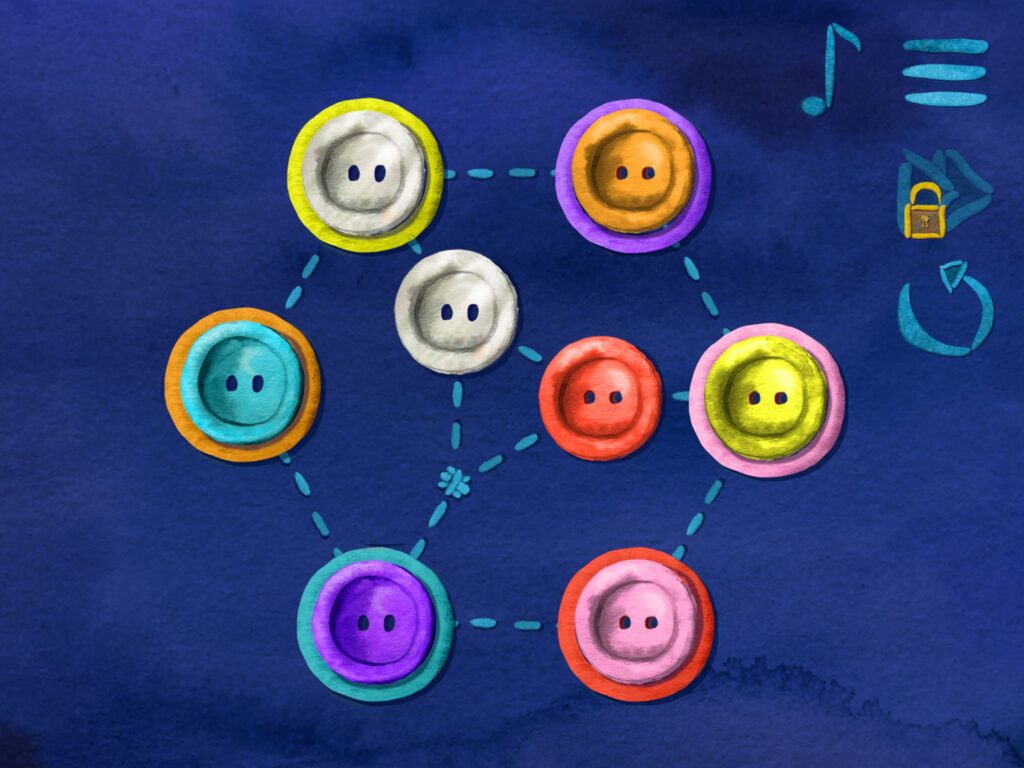
Lazuli, the dog, introduces a game with buttons, and the concept is actually quite simple: colored buttons have to be maneuvered into the matching holes. That sounds easy at first. Players get through the first few levels quickly—but then it gets progressively trickier and trickier. While the game doesn’t have many variations, everyone understands right away what it’s all about. Thanks to the more difficult challenges later in the game, older children and teens also enjoy it and keep playing.
The Mighty Sneeze (Studio Monstrum)

Oh no, the curator of the Caspar David Friedrich exhibition just sneezed really hard—and all the paintings got splattered! *The Wanderer Above the Sea of Fog* has disappeared and is now looking at the other paintings. Now it’s time to help the heroes—Kaspar, David, and Friederike—save the exhibition. With a simple click, players can navigate through the various exhibition rooms and get to know the works of the exceptional artist Friedrich. A wonderful introduction to the world of art. Accessible, entertaining, and designed with great care and attention to detail.
Lazuli Basics (funline Media)
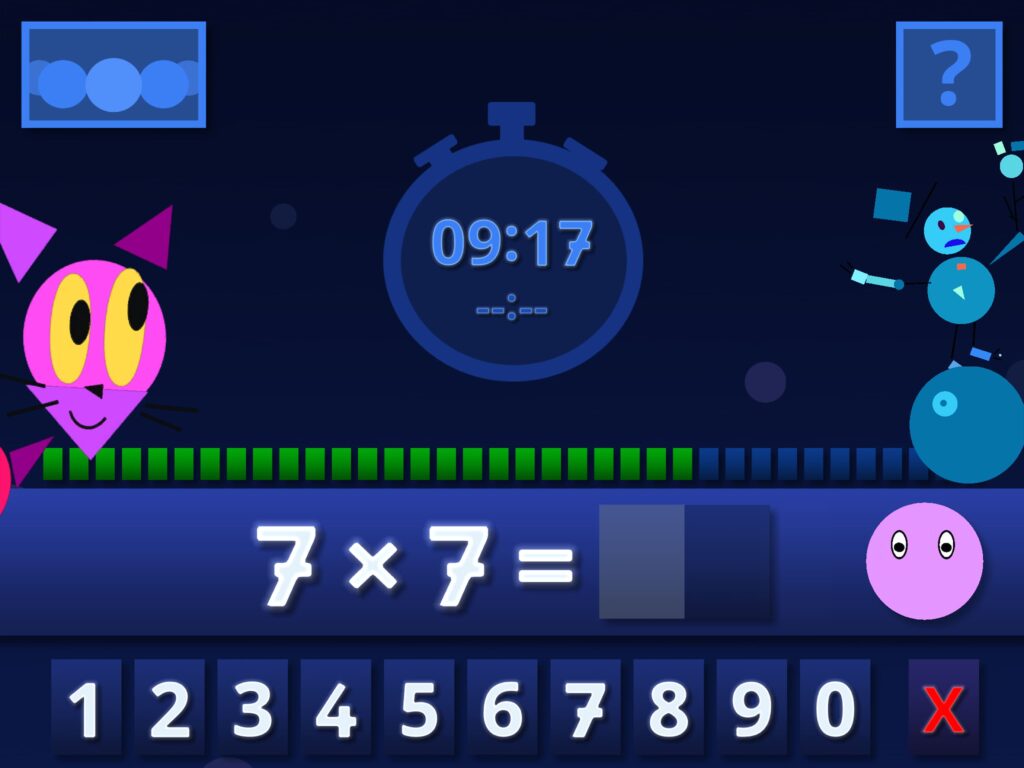
With this app, children learn their multiplication tables through play. The app is colorful. It features fun characters and funny sounds. The exercises are varied. It’s great that everyone can view their own statistics. Anyone who’s up for it can test their multiplication skills. While doing so, the young learners are distracted by sounds and colorful animals. The ticking of a clock adds even more pressure. But the goal is simply to beat your own record and reduce the time it takes to complete the same number of problems.
Rascal’s Escape – A Mischievous Rascal on the Road (The Good Evil)
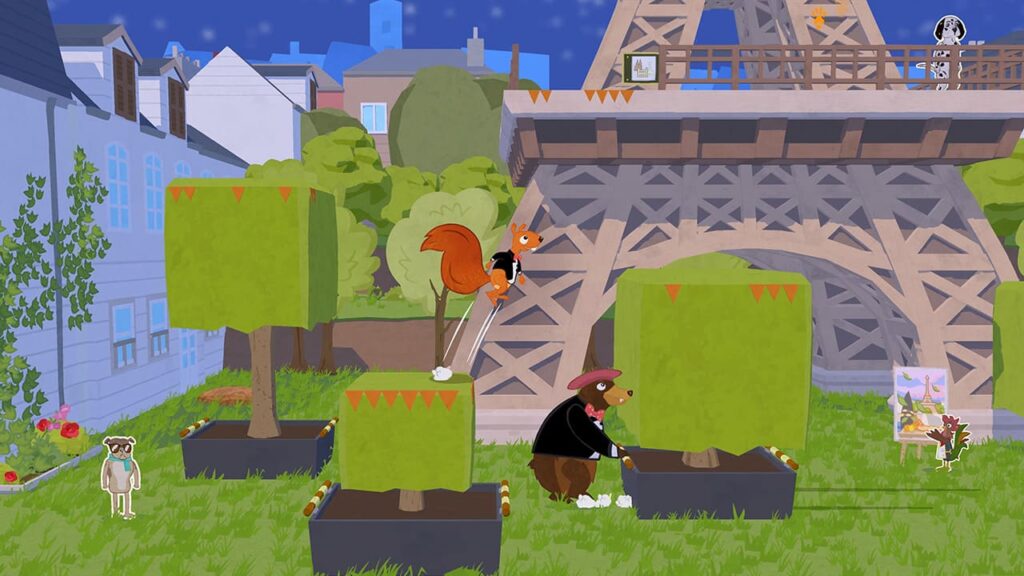
“Rascal’s Escape – The Mischievous Rascal on a Journey” is a lovingly designed, cooperative adventure for families and younger players. The combination of playful exploration and educational elements is particularly well done: Collecting souvenirs, learning about languages and customs, and completing mini-tasks like recycling trash encourage mindfulness and teamwork in a fun way. The handcrafted animations, colorful art style, and warm voices create a lovely atmosphere. It’s a wonderful game for parents who want to discover the world of video games together with their children.
HORSE CLUB: Horse Adventures with the New "Foals at Lakeside" Feature (Blue Ocean Entertainment AG)
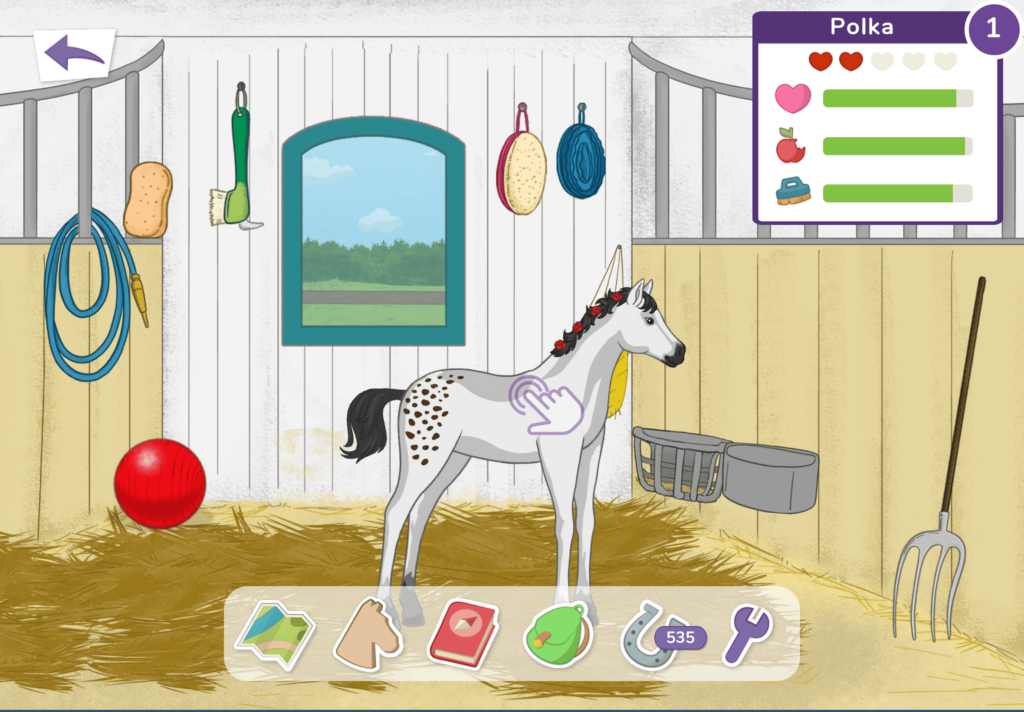
At the horse farm, the children first design their own characters and horses before diving into a short story. Using a map, they explore the various locations in the area. Along the way, they collect items, have conversations, and solve little puzzles. In horse races, they collect stars and demonstrate their skill. There are also quizzes on all things horse-related—from anatomy and breeds to grooming and the names of body parts. The horseshoes they collect unlock new locations or stalls for additional horses. The app is especially appealing to horse lovers.
THE FEED (Baden-Württemberg State Media Authority (LFK))
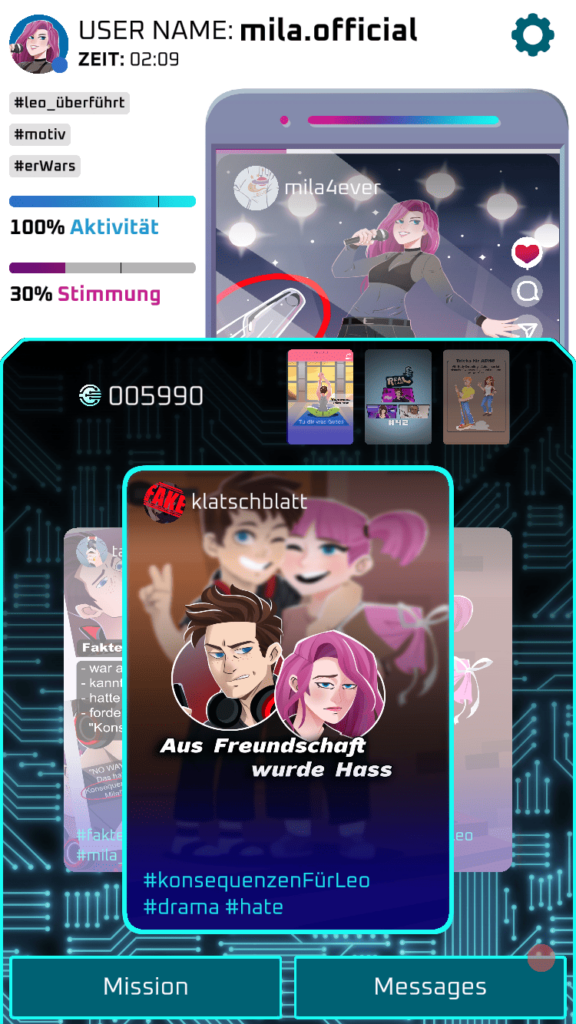
In the free mobile game “THE FEED,” players take on the role of interns at a major social media company. Their task: to keep users online as long as possible by becoming the algorithm themselves. To do this, they make targeted decisions about what content to show users, while simultaneously gathering more and more information about their preferences and interests—and gaining insight into how social media platforms work. Insightful.
Jo & Rubi: Archaeology at the Harbor (Nukuna Interactive)
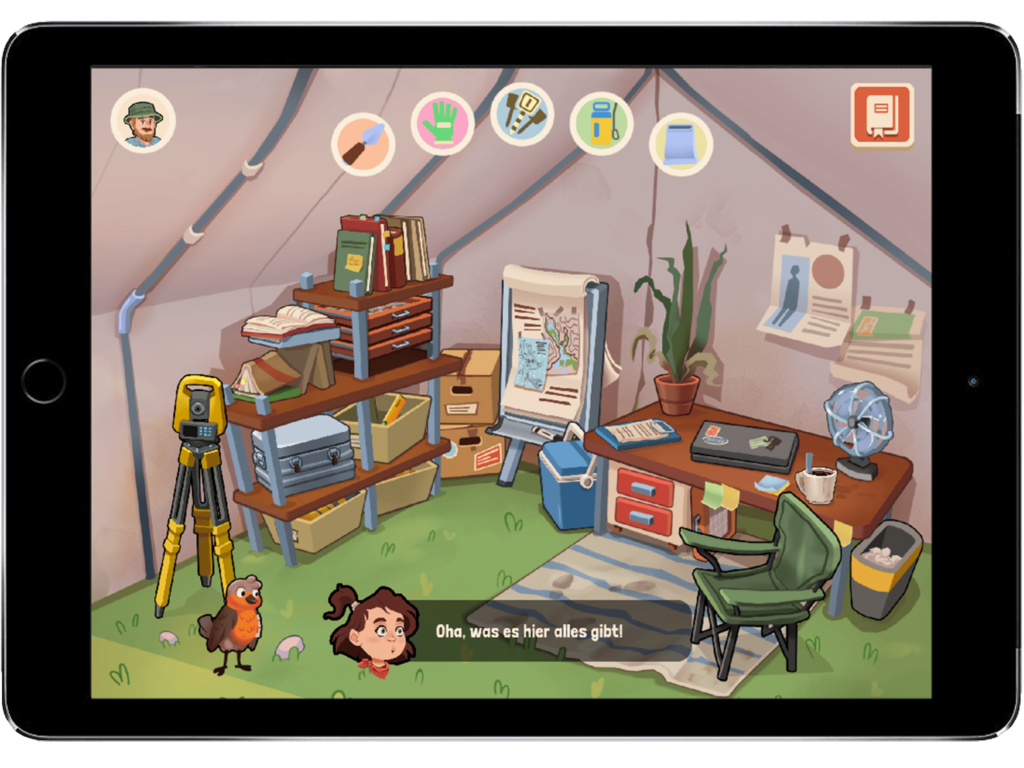
In “Jo & Rubi,” children join the two main characters on exciting adventures centered around archaeology. Through play, they take on typical tasks such as conducting excavations, cleaning artifacts, or piecing together shards and artifacts. In this way, they learn in an age-appropriate manner how archaeology works and what steps are necessary to bring history to life. The app is beautifully designed and child-friendly; it features a variety of engaging tasks and conveys knowledge in an entertaining way while fostering curiosity, attention to detail, and an understanding of history.
EZRA & ALEX (Berlin State Association for Children's and Youth Films, e.V.)
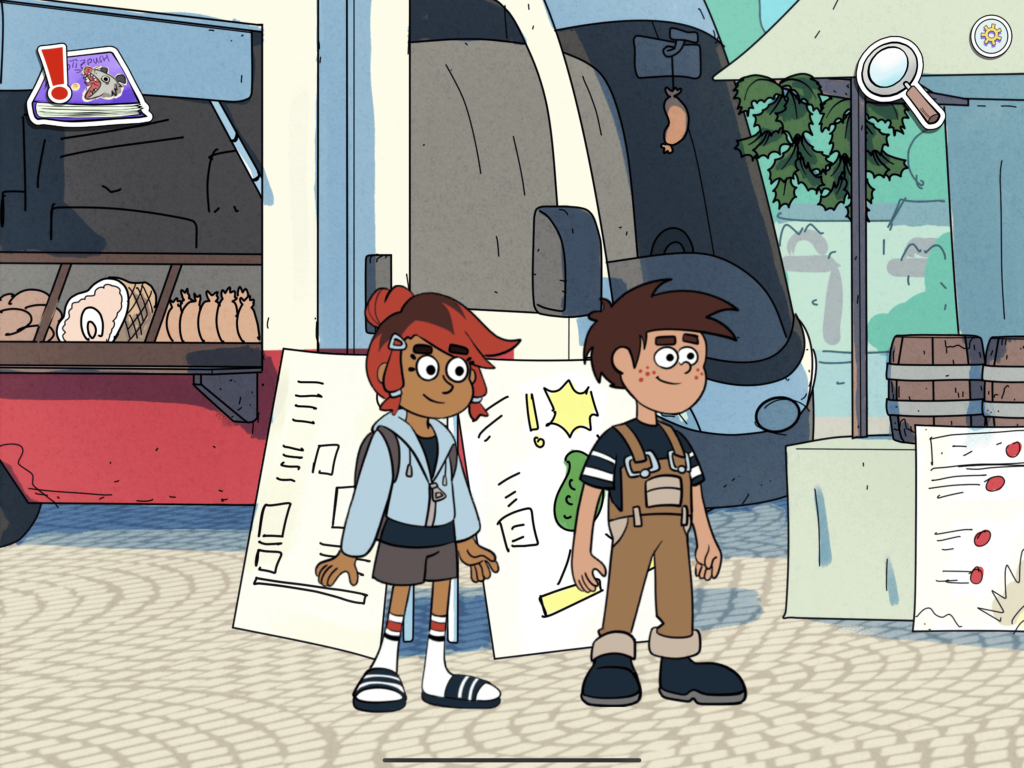
Alex and Ezra are actually hoping to have a great time in the treehouse, but plans to build a ball factory are causing unrest in the neighborhood. As they investigate, they encounter different perspectives—from residents, the company, and the media—when it comes to opinions, rumors, and facts. Through play, players learn how political opinion-forming works, how to debunk fake news, and the importance of compromise. The adventure game uses a realistic context, is optimized for use in schools, and promotes media literacy and reflective decision-making.
Chip Chess (Chess for Kids e.V.)
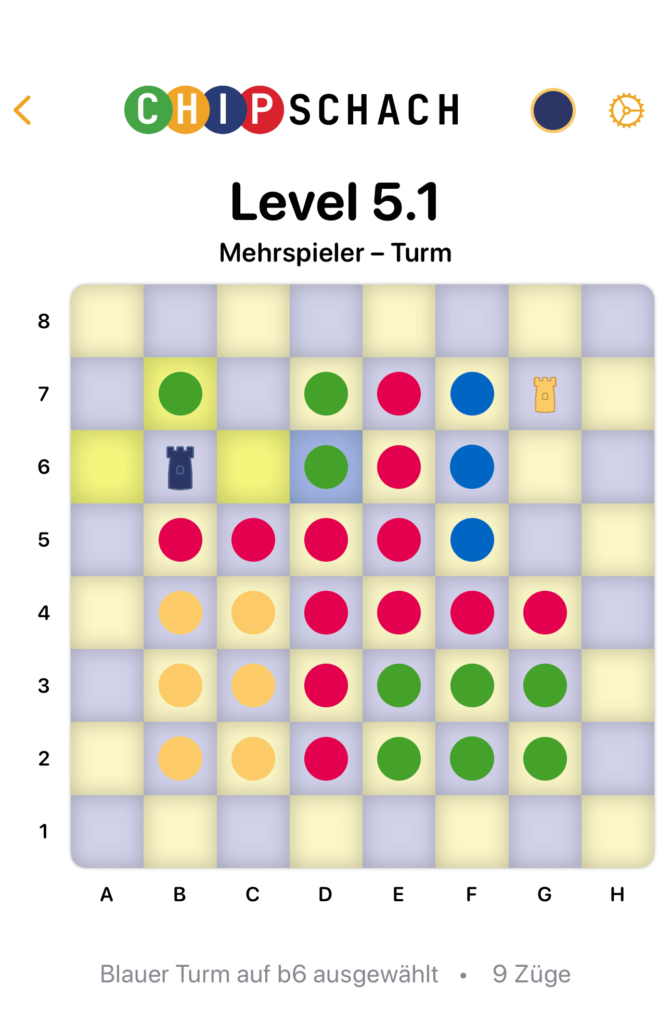
This chess game can introduce children ages four and up to the basics of chess through the tried-and-true Chipschach learning system. Simplified, visually supported challenges specifically promote concentration, logical thinking, and social interaction. With mini-games, the Chipschach Editor, and “Mini Chess,” children can practice creatively on their own or in pairs; creating their own challenges helps strengthen strategic thinking and creativity. Chipschach offers educational institutions such as kindergartens, after-school care centers, special education schools, and extended-day programs the opportunity to implement chess instruction digitally and stress-free—even without prior knowledge. With minimal effort, children can independently get to know and grow to love this noble game while developing cognitive and social skills in a lasting way.
Powerkids (Children's Health Foundation)
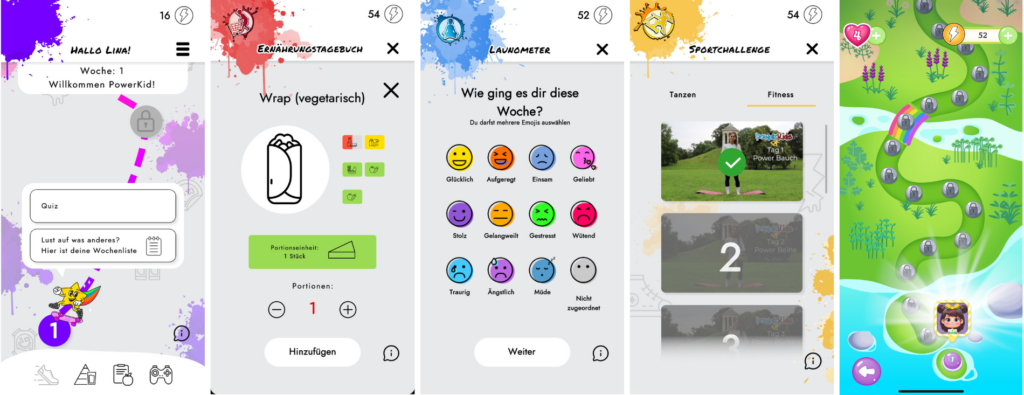
The “Powerkids” app, developed by the Children’s Health Foundation, helps children develop a healthy and balanced lifestyle. Through playful missions and varied exercises, children explore physical activity, nutrition, and relaxation. Short videos, quizzes, and motivating tasks encourage them to try new things and incorporate healthy routines into their daily lives. In doing so, the app not only builds their knowledge of health but also strengthens their self-awareness, personal responsibility, and self-confidence—providing practical guidance for children that is both fun and has a lasting impact.
Flag it! (Pfeffermind & German Child Protection Association (DKSB))
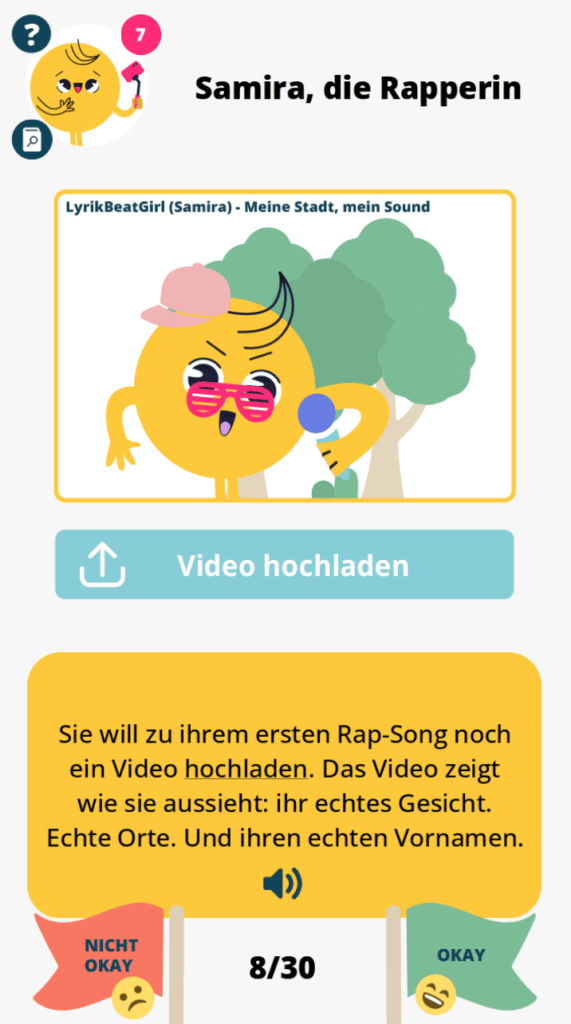
“Flag it!” introduces children and teens to topics related to online safety in a playful way. Through three short stories, they learn how to protect their personal information, recognize fake profiles, and assess online risks. The simple design, featuring small characters and immediate feedback, makes the content easy to understand and offers a low-barrier introduction to media education. The clear feedback helps children immediately reflect on their own behavior and raises their awareness of online dangers. “Flag it!” offers an accessible, preventive approach that is well-suited as an introduction to media education.
PC
ODDADA (Sven Ahlgrimm, Mathilde Hoffmann, Bastian Clausdorff)
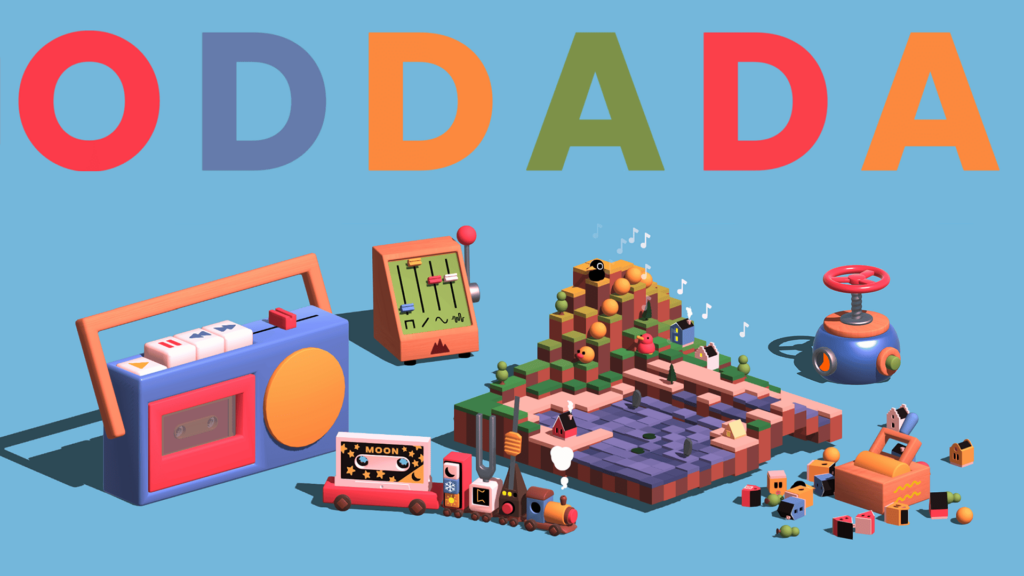
Compose your own song? Wow, no way—that sounds like a lot of work, right? Especially if you don’t play an instrument and don’t know anything about music theory. But with “Oddada,” you can create your own piece of music in a playful way in just a few minutes: just place a few colorful building blocks on a sound generator, adjust a slider here and there, try out different effects, and—most importantly—experiment a lot. The beauty of this innovative music construction set is that it’s super easy to use, yet offers so many creative options that you can have hours of fun with it. It’s reminiscent of the impossible machines created by the Swiss painter and sculptor Jean Tinguely.
The Guardian of Nature (Inlusio Interactive)
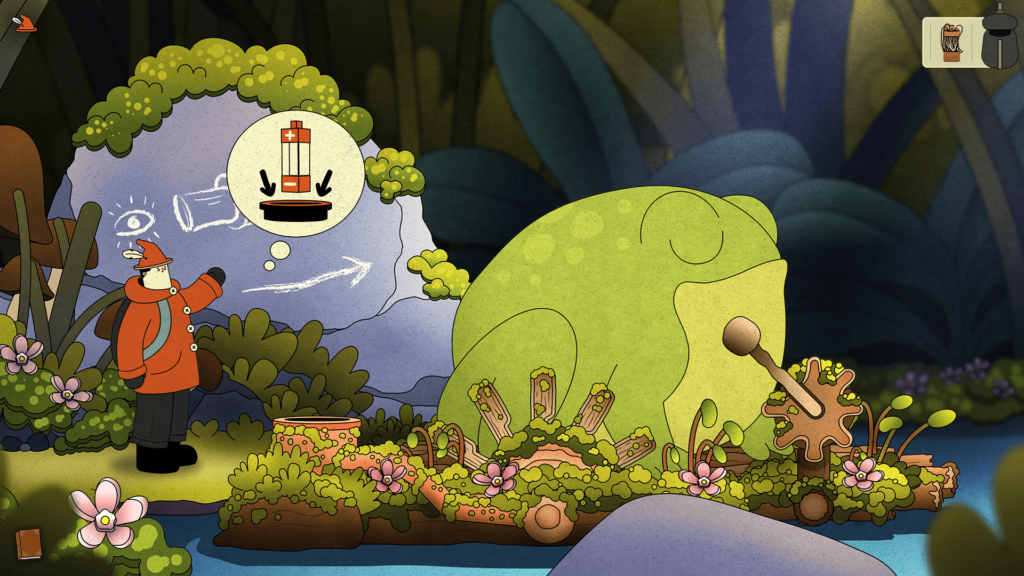
In the hand-drawn point-and-click adventure “The Guardian of Nature,” players join Henry—a botanist and guardian of nature—as they explore various natural environments to ultimately save the Tree of Life. Henry’s ability to change size comes in handy—it transforms mushroom forests and ant tunnels into impressive backdrops, and shifting sizes also opens up alternative paths and perspectives, leading to new puzzle solutions. The adventure game is released episodically and is designed for a leisurely pace and exploration. The charming art style, a gentle soundscape, accessible puzzles, and an enchanting story reward curiosity and perseverance.
Pumuckl and the Pirate King's Crown, Beta (Quantumfrog)
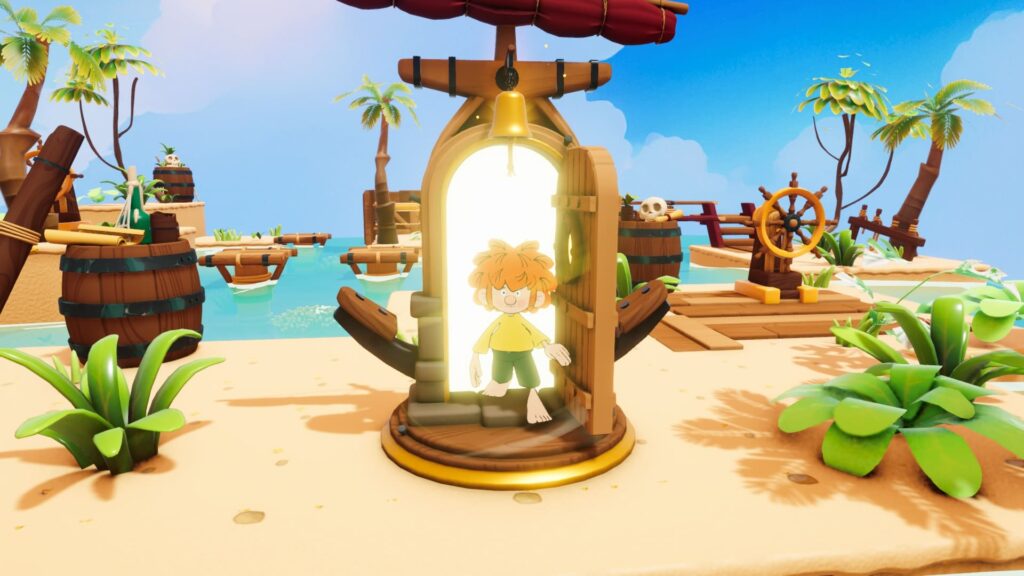
Pumuckl is a cult classic. Since 1962, Ellis Kaut has been writing funny stories about the little goblin. In“Pumuckl and the Pirate King’s Crown,”Pumuckl becomes a gaming star. The cheeky redhead moves through a beautiful platformer setting as a 3D character. The game was available in a beta version, but it already showed the great potential that the treasure hunt will offer—enemies and plenty of puzzles included. Great fun to play.
STAR BIRDS (Toukana Interactive)
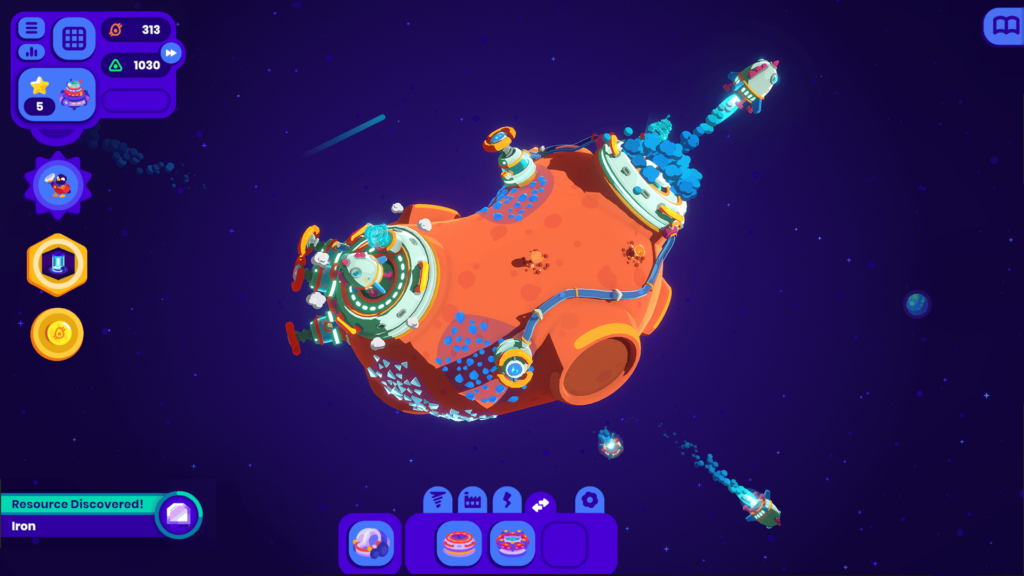
Anyone who thinks they’ve seen it all will besurprisedby the innovative “Star Birds.” The game combines laid-back base-building strategy with clever resource and logistics planning in a friendly, space-themed setting. On procedurally generated asteroids, players build 360-degree bases, connect extractors and factories via pipelines they lay themselves, and deliver goods to the space station via launch and landing platforms. Missions, research, and unlockable technologies set clear goals—all without any intense time pressure. Its strengths lie in its calm gameplay, straightforward progression, and the fun of experimenting. Its complexity, depth, and story are less impressive. Overall, “Star Birds” remains a cohesive, systemic puzzle game with a pleasant flow.
Pioneers of Pagonia (Envision Entertainment)
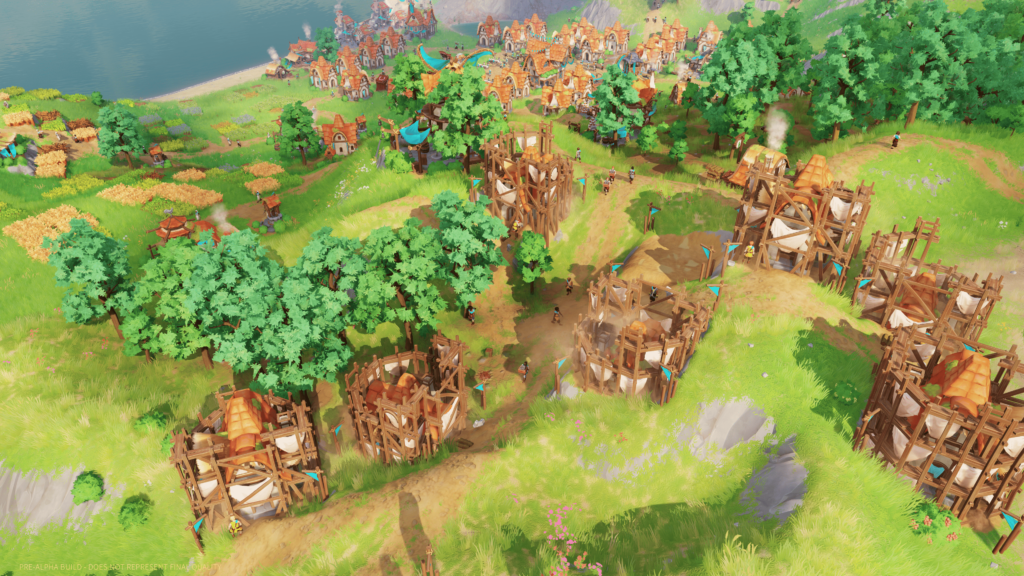
From the creator of the “The Settlers” video game series comes this clever building game that delivers exactly what players want: lots of lumberjacks and porters scurrying about, as well as well-thought-out supply chains. Are the flax harvesters being attacked by wild boars? We need a huntress! But first, she needs a hunting bow, which is made in the woodshop—which, in turn, requires wood and rope. Constantly optimizing this economic cycle and watching your settlement flourish is very satisfying.
Lonely Mountains: Snow Riders (Megagon Industries)
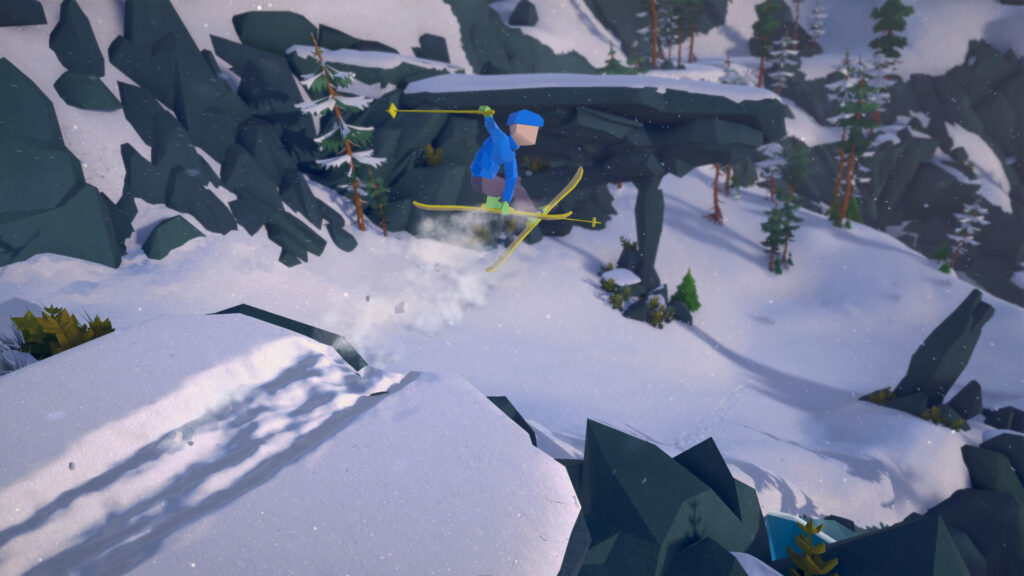
In “Lonely Mountains: Downhill,” we already had a blast mountain biking down mountains; in “Snow Riders,” we’re now hitting the ski slopes at even higher speeds. The “downhill formula” works again, and carving through the snow is fantastically rendered thanks to responsive physics, graphics, and sound. Runs from checkpoint to checkpoint, free route selection with plenty of shortcuts, ice, and ruts—plus jumps and tricks as optional style elements. The learning curve is fair but challenging: “easy to learn, hard to master.” A few improvements over its predecessor and cool new multiplayer modes make it worth strapping on your skis.
Shoe it All! (Amberbite)
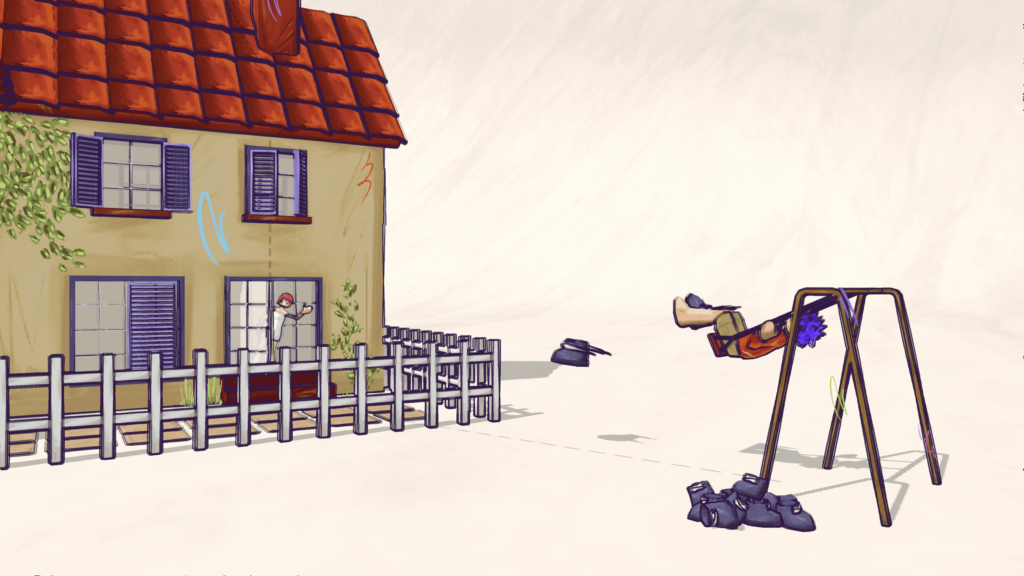
“Shoe it All!” is a delightfully cheeky indie game with simple gameplay mechanics: The main character sits on a swing that can be set in motion using the arrow keys. On command, players shoot a shoe into the air, aiming to hit a stop sign, a vending machine, or a windowpane. All this is accompanied by punk-style guitar riffs and brightly colored on-screen graphics. The intuitive controls and the absurd setting ensure quick successes and a high level of fun. A creative indie game that captivates with its wit and accessibility.
Projected Dreams (Flawberry Studio)
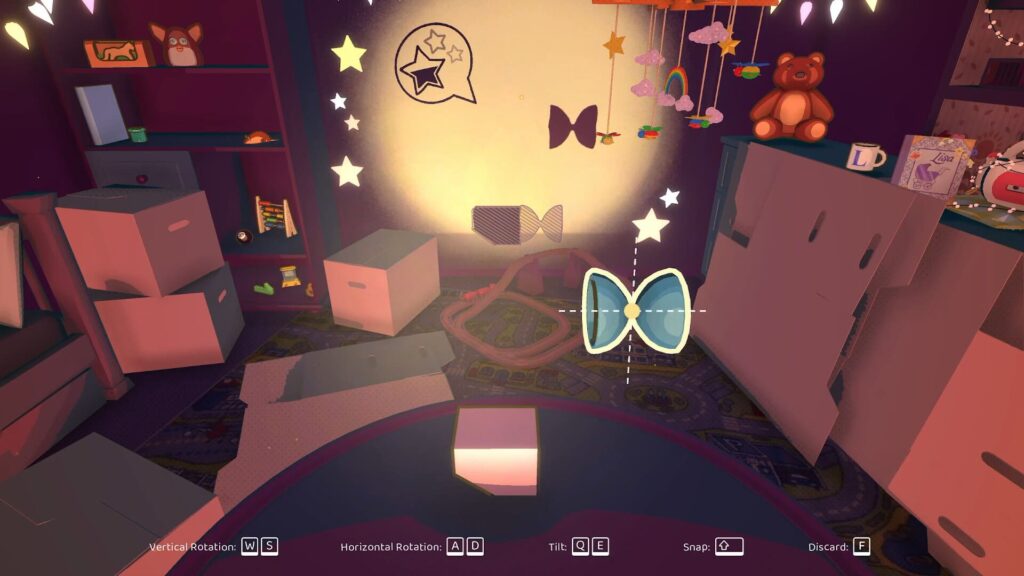
“Projected Dreams” transforms a child’s bedroom into a stage for shadow puzzles: toys become silhouettes that trace faded photos from memories. Each chapter introduces new mechanics (two light sources, sticking, zooming in/out, making objects invisible) and rewards creative solutions without time pressure. Strong from a media education perspective: it promotes spatial awareness, problem-solving, and fine motor skills. The intuitive controls make it easy to get started. Alternatively, there are games featuring shadow puzzles that also include more story elements and platforming mechanics.
Henry Halfhead (Lululu Entertainment)
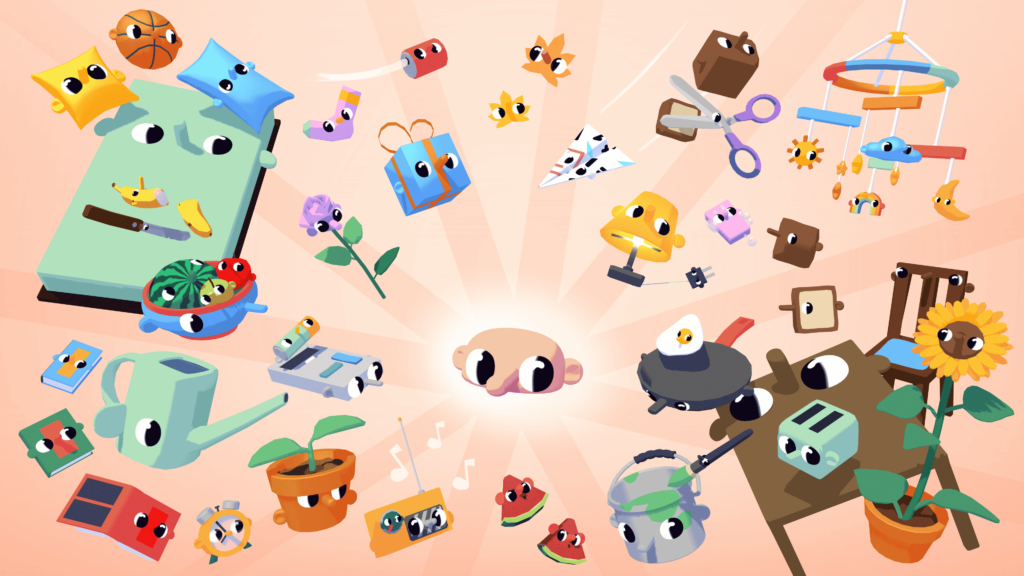
“Henry Halfhead” is an unusual sandbox adventure that lets players slip into the shoes of dozens of everyday objects—from a knife to a watering can to a paper airplane. The protagonist, Henry, consists of nothing more than half a head—these things happen. By “possessing” objects, he can manipulate his surroundings to solve puzzles and explore new areas. The game’s strength lies in its playful spirit of experimentation and the charming, humorous narrative style of an omnipresent narrator who comments on the actions in a quirky way and accompanies the gameplay. The gameplay is varied and encourages creative thinking.
Nikoderiko: The Magical World (VEA Games/Knights Peak)
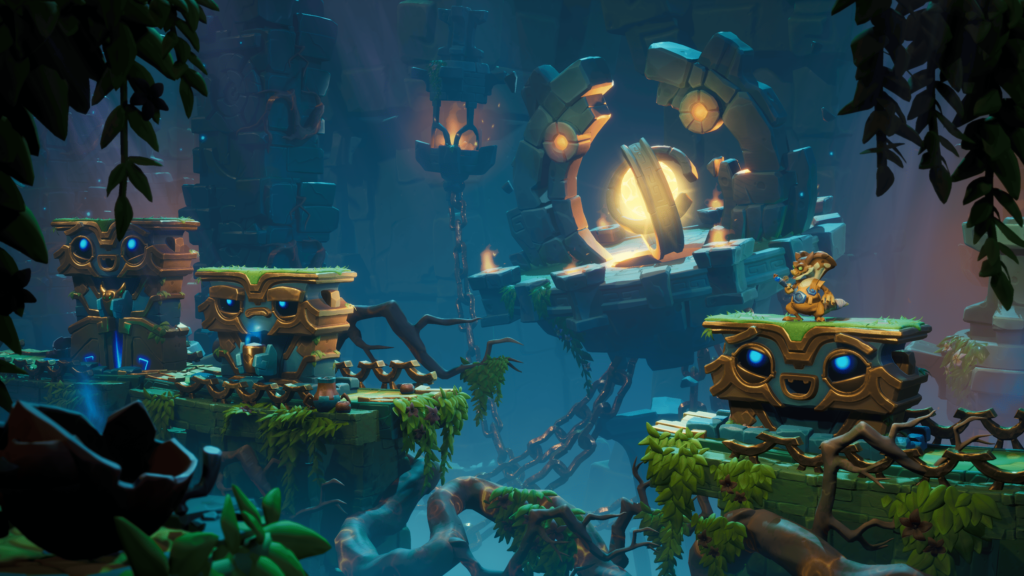
Did someone ask for a classic platformer—and get one? “Nikoderiko” guides players through a colorful fantasy world, always along a set path. With each level, the challenge increases, enemies get stronger, and new abilities are unlocked. What’s especially nice: you’ll quickly experience a sense of accomplishment, while the difficulty level increases at just the right pace. Plus, the game repeatedly breaks out of its purely two-dimensional framework—a cool effect that adds variety.
CONSOLE
Kirby and the Forgotten Land (Nintendo)

Among the many big-name Switch titles, “Kirby and the Forgotten Land” is more of a hidden gem. But the pink character has no reason to hide in the shadow of Mario & Co. In his first true 3D adventure—now also available for Switch2—Kirby can take on the shape of other objects or characters. Just suck up a car, and Kirby is off driving through the levels on four wheels. In the Switch 2 version, this blast of fun looks even snazzier. The “Star Shards” expansion adds new levels and co-op options. In multiplayer mode, teammates can step in to help out.
Donkey Kong Bananza (Nintendo)
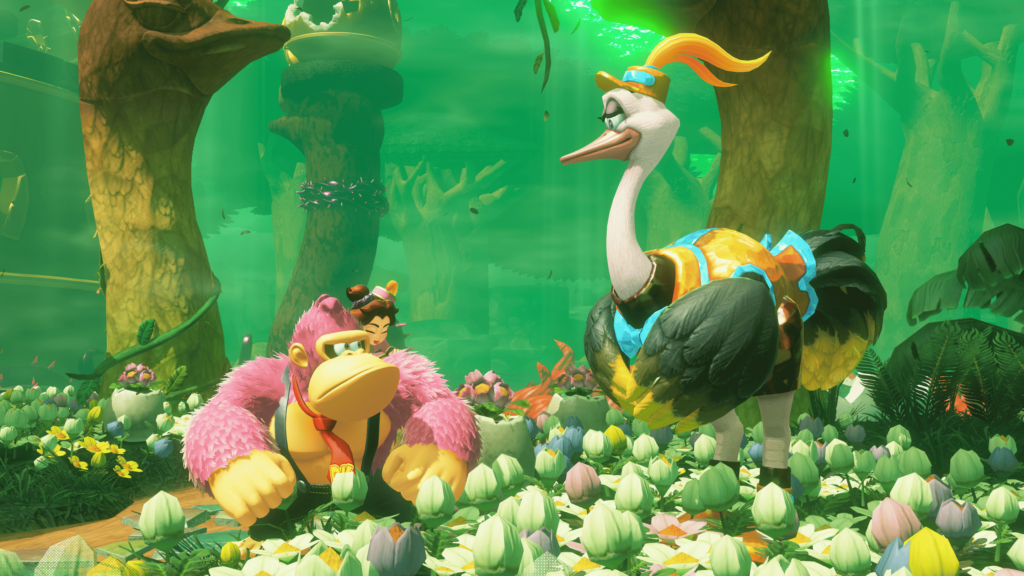
"Bananza" is the first Donkey Kong game that’s likely to win over even those who aren’t fans of the series. In search of the fruits that, as always at the start of a Donkey Kong game, have gone missing, the hero acts as a sort of brute-force archaeologist, pulverizing rocks with his paws, hurling objects around, and digging into the ground with powerful stomps to unearth treasures, fossils, and, of course, bananas. It’s impressive to gradually discover this world and be constantly amazed by the ingenuity of the developers, who turn a straightforward gameplay concept into a true experience.
Mario Kart World (Nintendo)

Nintendo is taking a risk… Rebooting a cult classic like *Mario Kart* isn’t without its dangers. If you tweak the game design parameters too much, you’ll quickly draw the wrath of players. For the first time, the 30 race tracks are connected by a largely open world. *Mario Kart World* is a blast. The lively big-band soundtrack and the opulent track designs really add to the atmosphere. I especially love the Knockout Tour, where the last four drivers are eliminated at checkpoints—a real highlight.
Fling to the Finish (Daedalic)
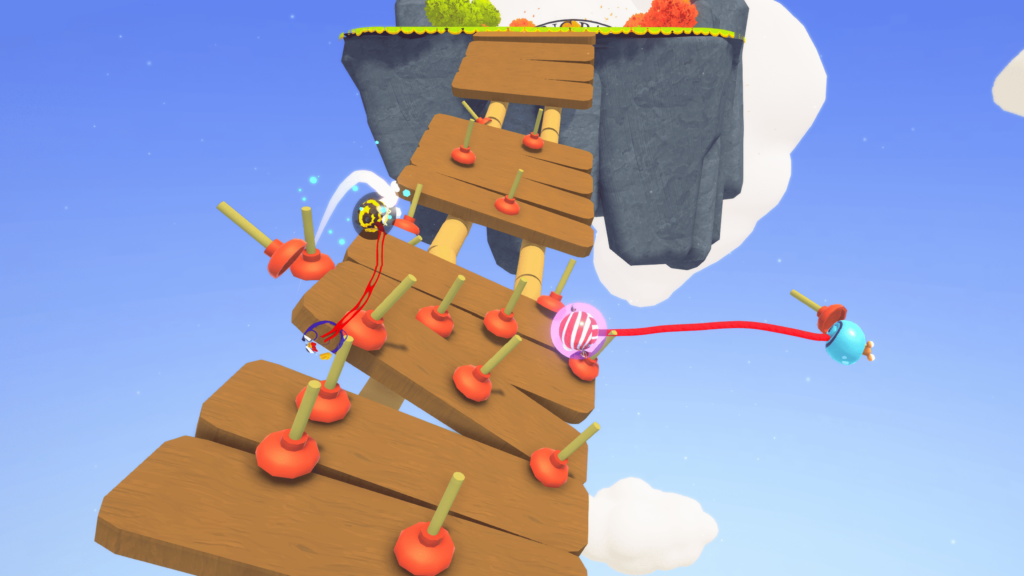
“Fling to the Finish” is a delightfully chaotic co-op racing game in which two players, as colorful balls connected by an elastic rope, must navigate crazy obstacle courses. Working as a team, the players jump, stick together, and catapult themselves toward the finish line—and experience plenty of fits of laughter, moments of frustration, and bizarre physics glitches. The levels are ingeniously designed, and the learning curve is steep: Without coordination, players are bound to fail, but those who pull together will experience some real party highlights. In multiplayer mode, it’s a real party hit—chaotic, creative, and surprisingly challenging.
Once Upon a Puppet (Daedalic)
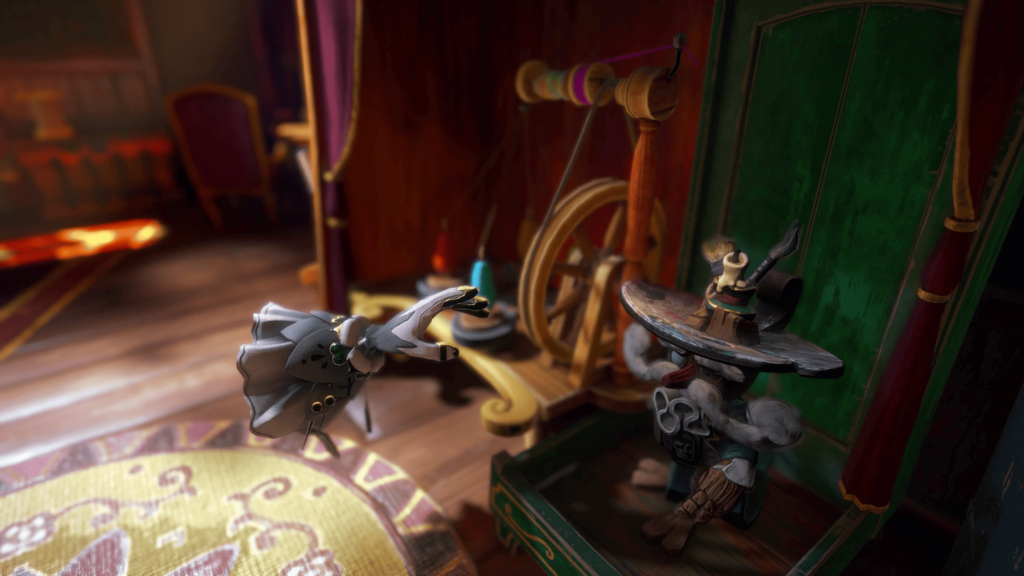
Curtain up: The theater-themed platformer “Once upon a puppet” tells the story of a marionette. More specifically: the story of the puppeteer Nieve and the wooden puppet Drev, who happen to cross paths. At first glance, the game’s setting might seem a bit gloomy, but it tells a touching story. Maybe the game isn’t quite as polished as some other console platformers, but that’s exactly what gives it its charm. A great hidden gem.
BOULDER DASH – 40th Anniversary (BBG Entertainment)
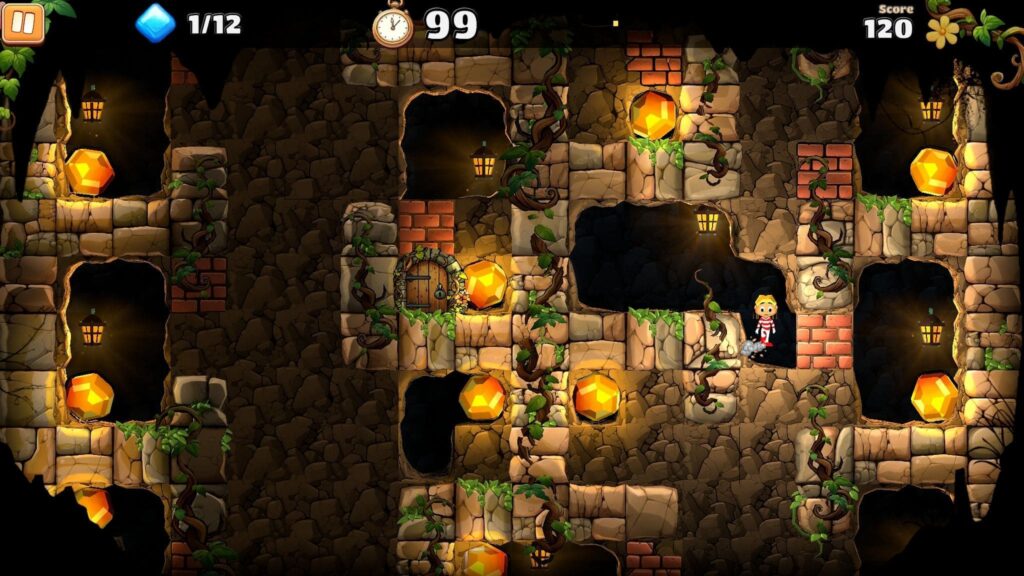
"Boulder Dash – 40th Anniversary" brings back a cult classic from video game history. Retro action powered by a completely new game engine and featuring over 180 levels. The gameplay remains true to what makes it a classic: Players dig, run, plan, and react in a fraction of a second as boulders fall and paths collapse—simple rules, deep strategies. It sounds simple, but thanks to the varied level design, it can provide hours of fun. A classic case of: “Oh, come on, just one more level…”
Just Dance 2025 (Ubisoft)

You’ll need to move and have a sense of rhythm when you pop “Just Dance 2025” into your console. Lots of new hits and dance routines make it a blast to play with a partner or at parties. Dancing alone might be a little boring, but the multiplayer mode—whether competing against each other or online against the whole world—is perfect entertainment. Perfect for parties, family gatherings, or get-togethers with friends. As a bonus, it gets you off the couch. This is a valuable piece of video game culture from France. Above all, it encourages players of all ages not to sit passively in front of the TV, but to get moving.
Henry Halfhead (Lululu Entertainment)
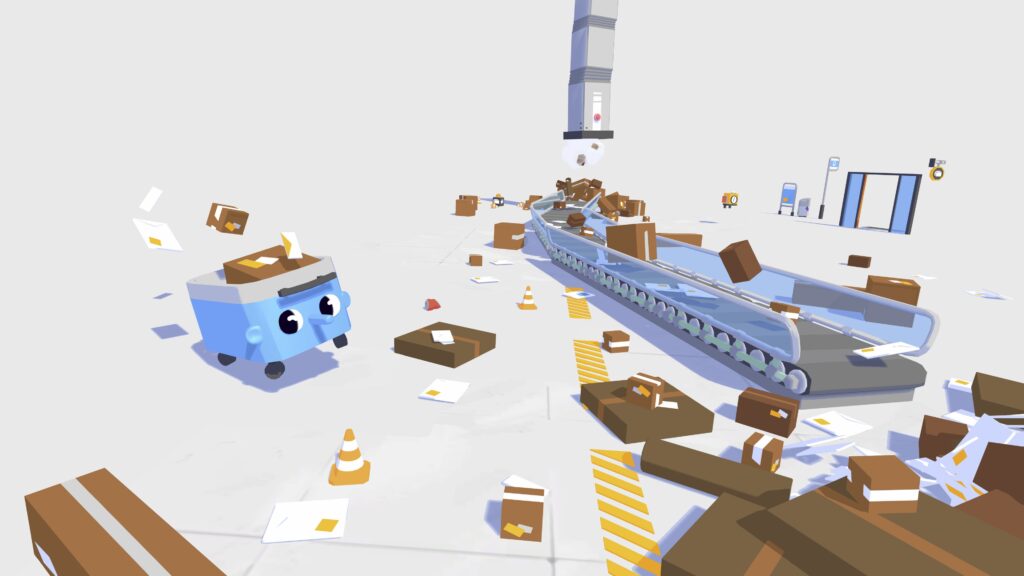
It’s quite a burden to come into the world as nothing but a head—and a half one at that. But Henry can literally incorporate any object in his surroundings into himself. And suddenly, the wildest possibilities open up. Henry grows up and must face new challenges—a theme that affects us all. The game is a call to never lose your sense of play, to discover the wonders of our world and make them work for you, and to let your creativity run wild.
Eldrador® Creatures: Shadowfall (Wild River Games)
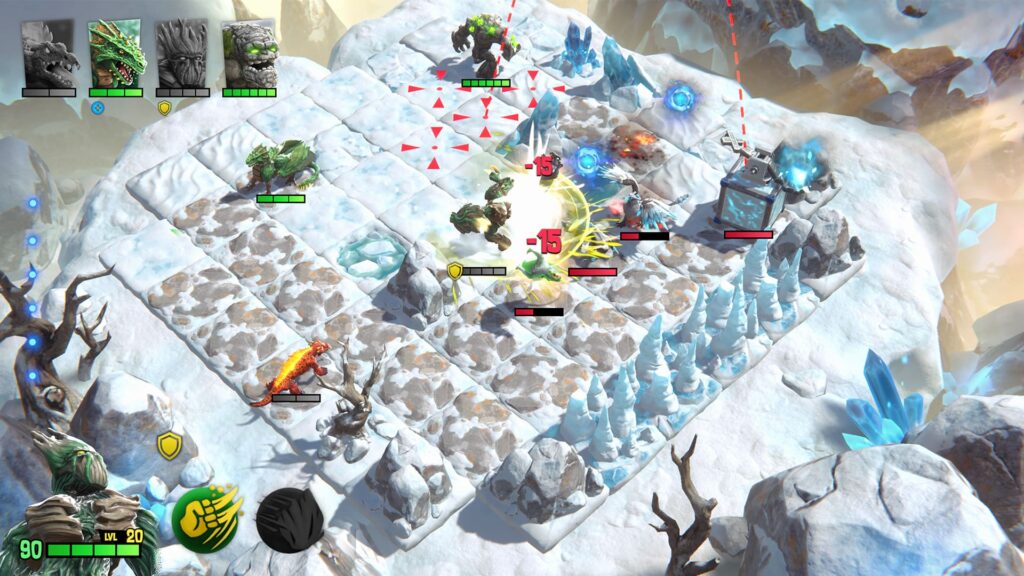
A classic turn-based strategy game with plenty of humor. Lava creatures face off against ice monsters and try to defeat them using their abilities. It sounds simple—and it is. The characters’ freedom of movement is limited, which keeps the game from overwhelming players. Gradually, more enemies and attack moves are introduced, and it becomes significantly harder to win a round. But what really stands out is the humor. The dialogue is written and voiced in a super funny way. Awesome.
Rascal’s Escape – A Mischievous Rascal on the Road (The Good Evil)
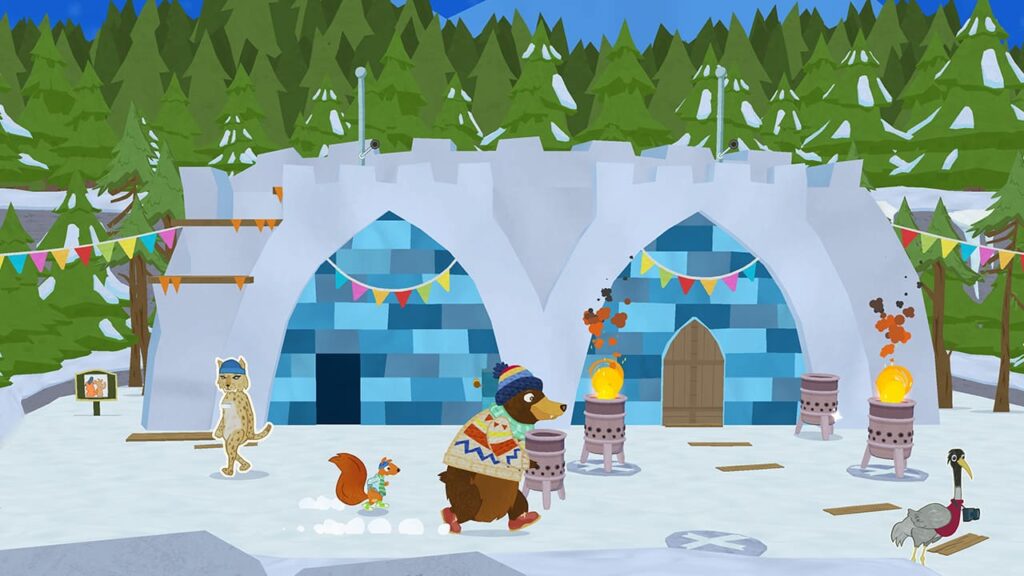
The game “Rascal’s Escape – The Mischievous Rascal on the Road” offers a cooperative adventure for 1–2 players. The journey through ten European cities encourages joint exploration, teamwork, and communication—thanks to local couch co-op, children, parents, and friends can play together right away. The game features intuitive controls, clear symbols, and professional voice acting—no reading skills are required. Subtitles in multiple languages, high-contrast characters, and motivating tasks make it particularly accessible and inclusive for new players.
Nikoderiko: The Magical World (VEA Games/Knights Peak)
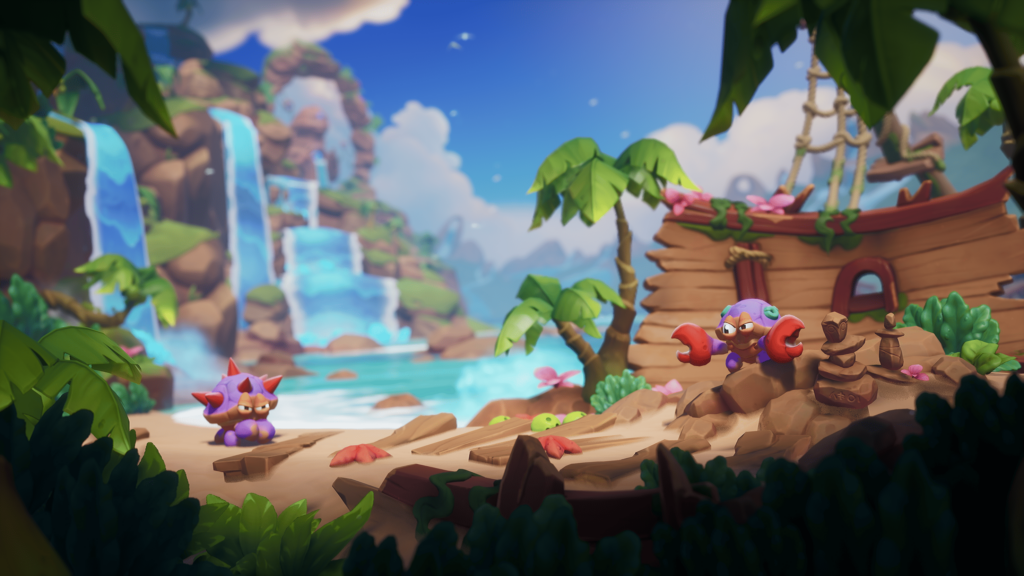
Nikoderiko offers a colorful platformer with 2.5D worlds, mounts, and classic boss battles—ideal for short, motivating sessions, especially in local couch co-op. As Niko and Luna, players chase the villain Grimbald across a magical island to retrieve a stolen relic and save the inhabitants across seven worlds.The transition between 2D sections and 3D segments, along with small mini-games, keeps the pace fast and works well for playing together in single-screen co-op. Two difficulty levels make it easy to get started, while challenging sections remain for advanced players. The distinctive soundtrack adds retro charm and sets the mood.
Youth Award Games
Xenoblade Chronicles X: Definitive Edition Nintendo
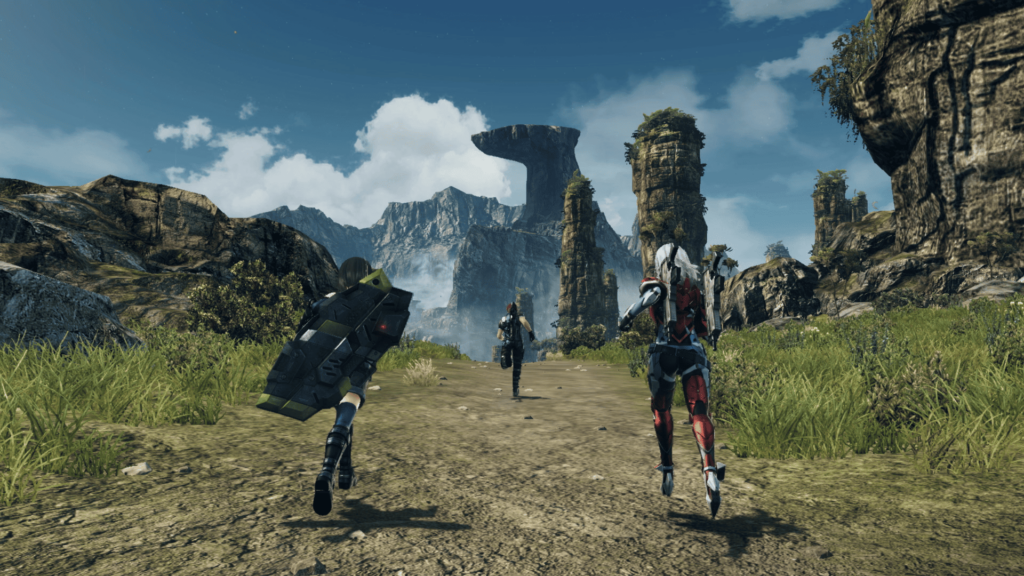
Vast landscapes, gigantic creatures, and mecha-style robot battles are what define “Xenoblade Chronicles X.” But what makes this sci-fi role-playing game so great is exploring an alien planet, slowly discovering and understanding an unfamiliar world, and gradually mastering the game mechanics. In addition, the online mode lets you travel through the world together on individual missions. The game has matured across console generations. The complexity is mind-blowing, and there’s a touch of classic Japanese action games throughout. The story is epic, and so are the battles. You just have to love it!
Split Fiction (Electronic Arts)
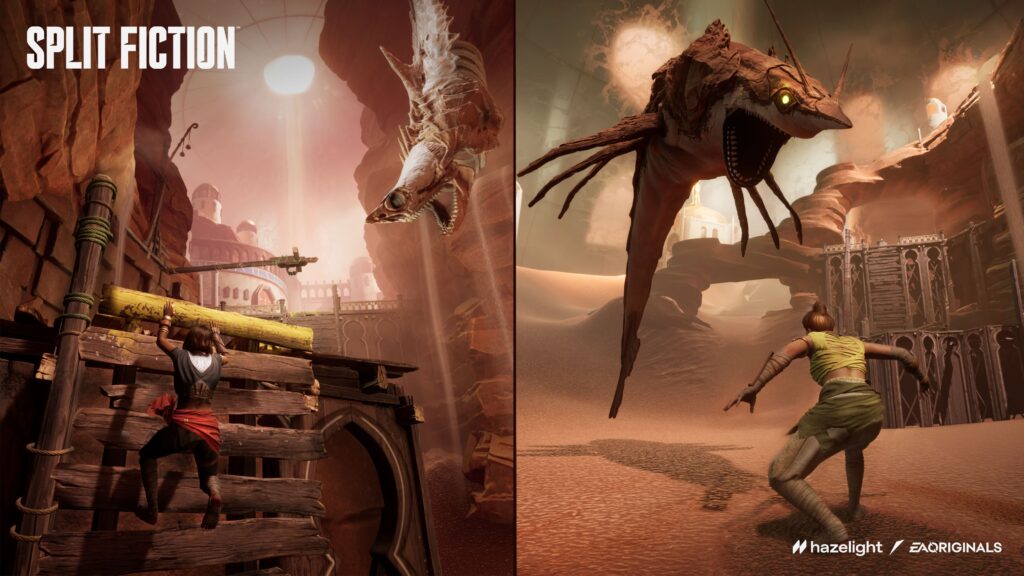
“Split Fiction” is a creative cooperative masterpiece: Two players constantly switch between fantasy and sci-fi, with the narrative driven by the characters Mio and Zoe. It’s particularly strong from a media education perspective: Local and online co-op promote communication, timing, and shifts in perspective. Thanks to Friend’s Pass, a single license is all that’s needed, and the game can be played across platforms. The extensive accessibility settings lower barriers to entry: individually adjustable difficulty levels per player (e.g., reduced damage), skippable sections/checkpoints, customizable controls, a customizable camera, broad controller support, and separate profiles. High replay value thanks to role-specific challenges.
The Darkest Files (Paintbucket Games)
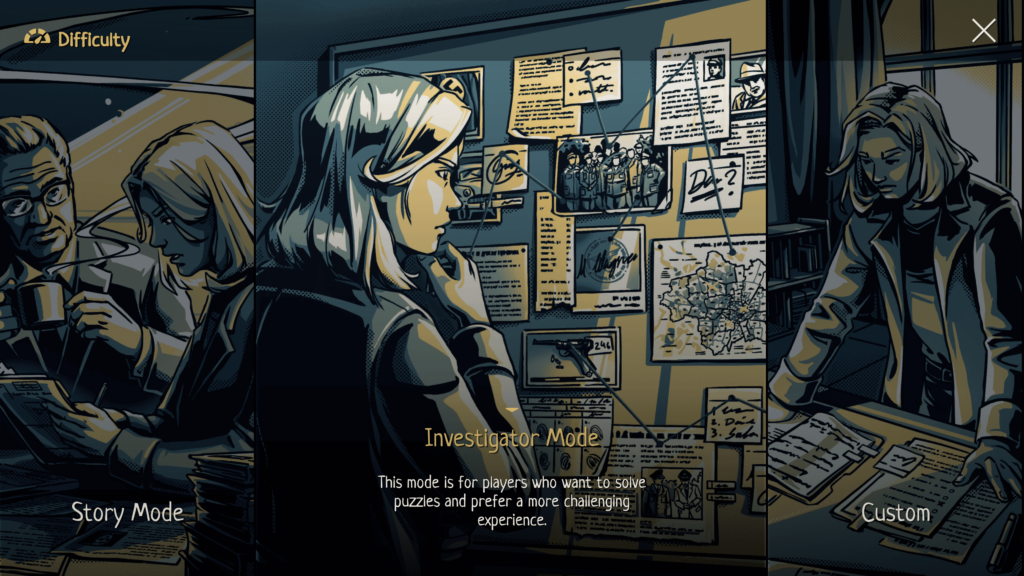
“The Darkest Files” is a bold and compelling game that brings history to life and promotes a culture of remembrance in a unique way. Playing as investigator Esther Katz, players conduct meticulous investigations into Nazi crimes, interview eyewitnesses, and reconstruct historical events. From an educational perspective, the game stands out for its great learning potential: It fosters critical historical thinking, strengthens empathy, and highlights the importance of education and justice. “The Darkest Files” is challenging and encourages reflection and deep thought. It is an important game for teaching history and shaping values.
Closer the Distance (Osmotic Studios)
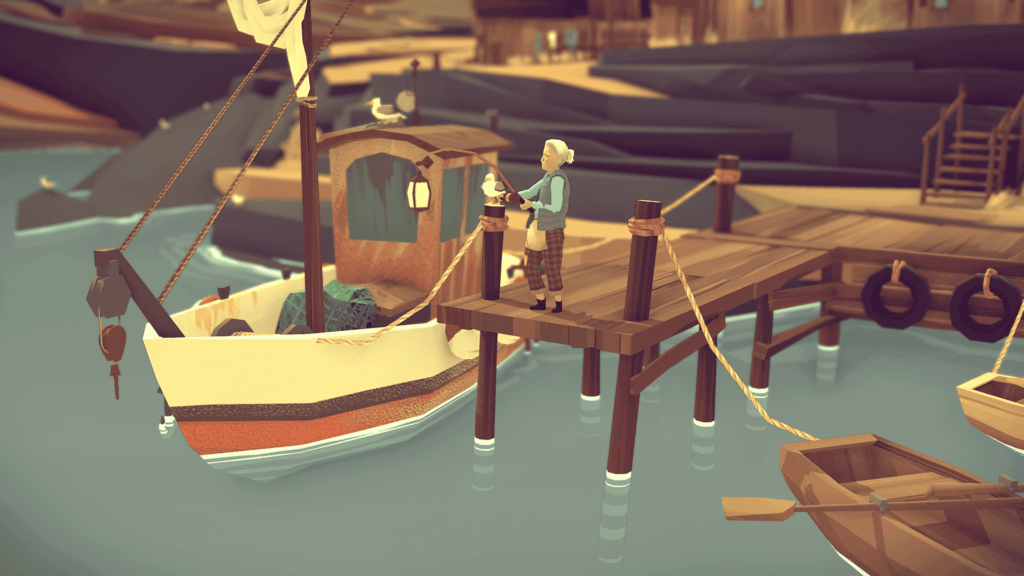
“Closer the Distance” deals with a very difficult topic: the loss of a family member. The goal is to understand the connections between the characters. As the main character, Angela, every decision she makes affects the fabric of the town. Even though there is a main character, you can also play the other characters. The game’s color palette and music are very subdued, and the atmosphere fits the theme. However, it is also a very emotional game.
Yield! Fall of Rome (Daedalic)
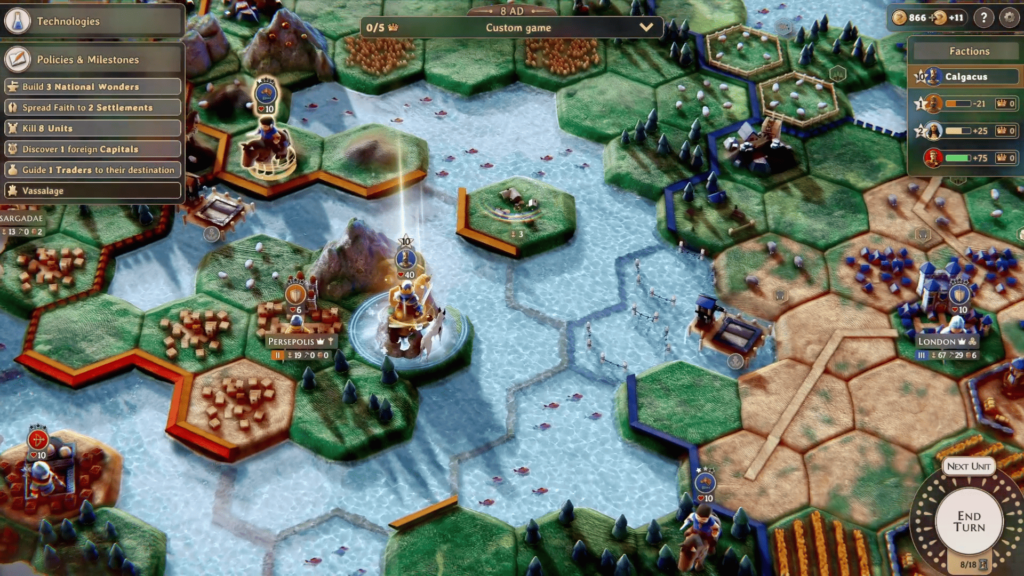
“Yield! Fall of Rome” is an accessible strategy game that simplifies complex 4X mechanics to an age-appropriate level. It offers a good balance of fun and challenge: resource management, diplomacy, and faction differences encourage strategic thinking and forward planning. Particularly noteworthy are the fast-paced gameplay and the incentive to try out different factions. From an educational standpoint, the game is valuable because it allows children to learn, in a playful way, how to use resources wisely and weigh the consequences of their actions.
Eyewitnesses 1945 (WDR)
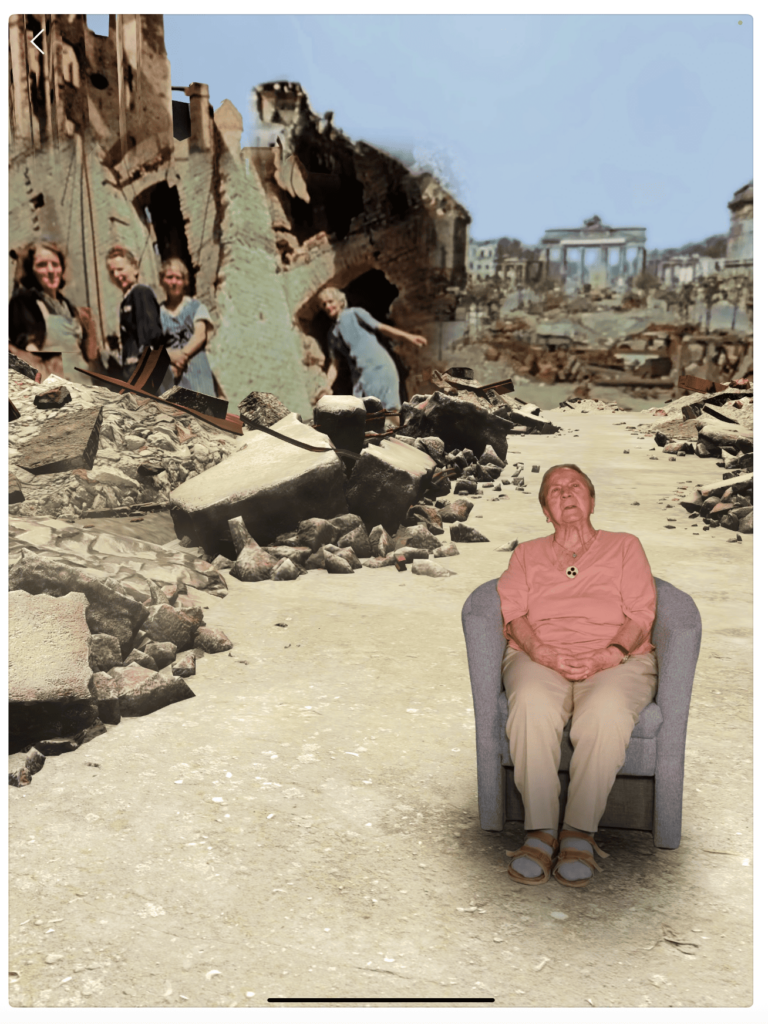
The “Zeitzeuge 1945” (WDR) augmented reality app brings history into your own everyday life. Eighty years after the end of World War II, eyewitnesses recount how they, as children, survived the existential challenges following the war’s end. The app features four AR scenarios with eyewitnesses discussing rubble clearance, harsh winters, hunger, and war and trauma, each accompanied by a brief contextual overview and AR interactions. An info guide provides relevant facts and context to complement the personal memories. “Eyewitnesses 1945” provides a powerful impetus for discussions that critically engage with sources and foster an empathetic understanding of the postwar years—it is accessible, designed to be inclusive, and substantively rigorous. Guidance from media educators and a sensitive framework are recommended.
The Rogue Prince of Persia (Ubisoft)
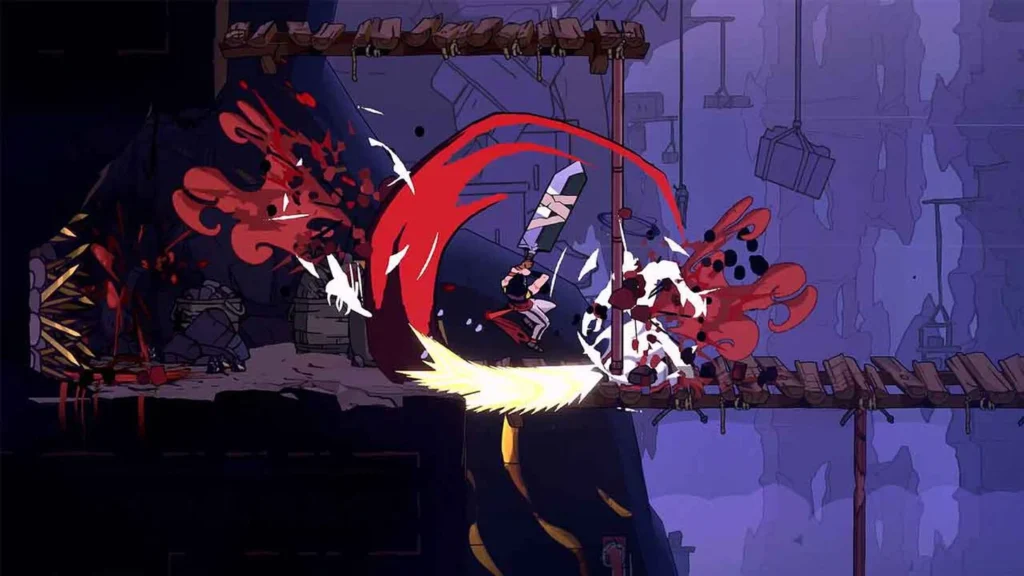
Jumping, running up walls, dodging traps, and taking out enemies: “The Rogue Prince of Persia” combines acrobatic action with roguelike mechanics. Every run through the levels is different, and players are a little stronger by the next attempt. The combat is dynamic and quite challenging at times, but with a little patience and action-game experience, the game is a lot of fun—especially because the controls are very responsive and intuitive, and while the game can be difficult, it’s never unfair.
Pioneers of Pagonia (Envision Entertainment)
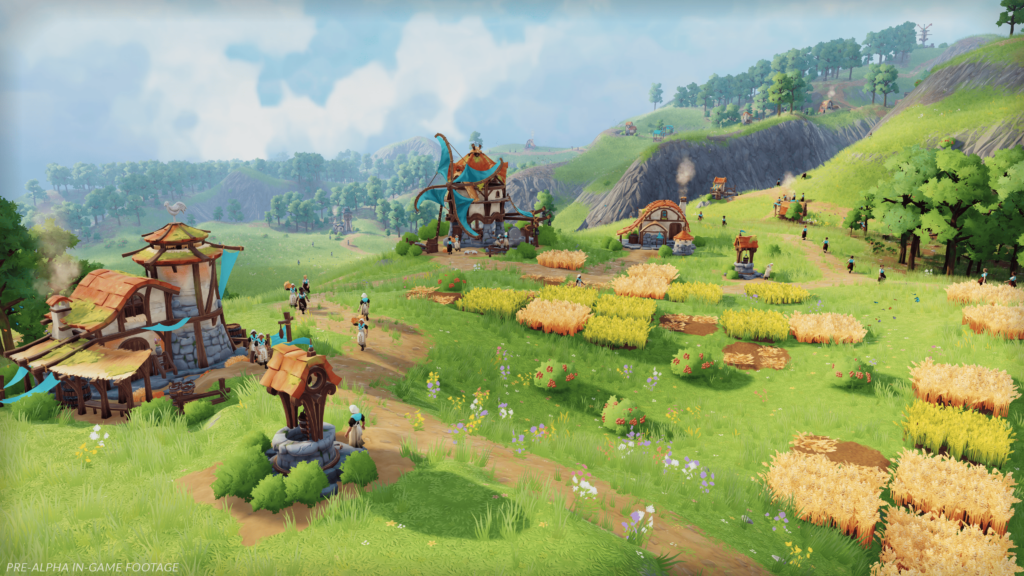
With “Pioneers of Pagonia,” the hustle and bustle typical of classic building games makes a comeback. Accordingly, some elements are familiar: commodity cycles—here featuring 60 building types and over 100 different commodities—procedurally generated islands, visible logistics, trade, and combat. Every decision is immediately reflected in the road network and among thousands of carriers; expansion unlocks new resources, tribes, and risks—and if you prefer, you can play without combat or in co-op mode. A modern city-building game that exemplarily rewards planning, strategic overview, and creativity.
Shoe It All! (Amberbite)
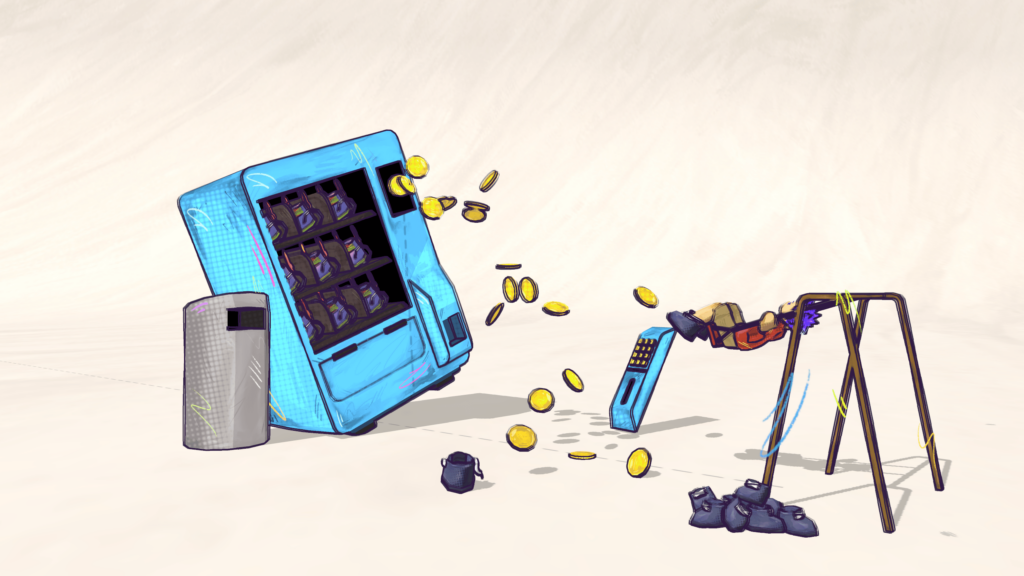
“Shoe it All!” is a cheeky, physics-based skill game that combines a nostalgic swinging sensation with precise timing and plenty of humor. The gameplay is always the same: we build up momentum, start swinging, aim for the latest target, and try to hit it with our shoe. You’ll need to master the right ballistic trajectory, as well as timing and creativity to find alternative solutions—all of which earn you glittering stickers and unlock many new levels. The minimalist comic-book style, punk-inspired soundtrack, and short, varied levels make it ideal for quick sessions with high replay value. Humor, style, and straightforward mechanics prove that a small idea can make a big impact.
AnoMed – Investigating AI at the University of Lübeck, Privacy & Security Research Group, ITS
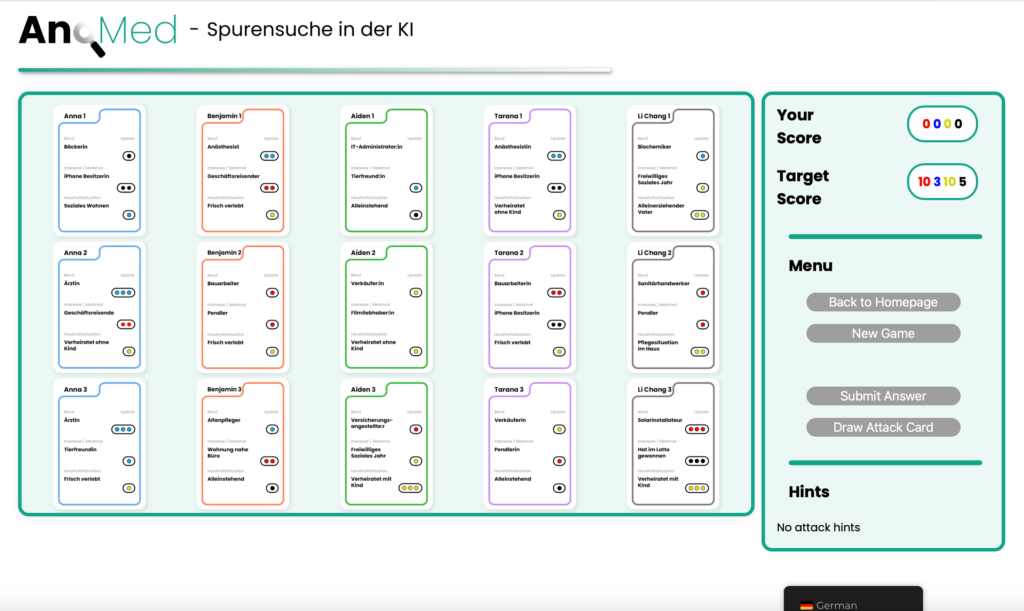
“AnoMed – Searching for Clues in AI” is an interactive board game that uses gameplay to teach players about the challenges of data protection and anonymization in artificial intelligence. Players use individual cards containing personal data to train an AI model, whose parameters are displayed on the game board. Other players try to deduce information about the original data from these parameters.
The game vividly illustrates a well-known risk associated with complex AI models: Despite seemingly abstract parameters, sensitive information about the training data can be revealed. It thus encourages reflection and discussion about digital privacy, data security, and AI, and conveys these complex topics in an accessible and collaborative way.
Nikoderiko: The Magical World (VEA Games/Knights Peak)
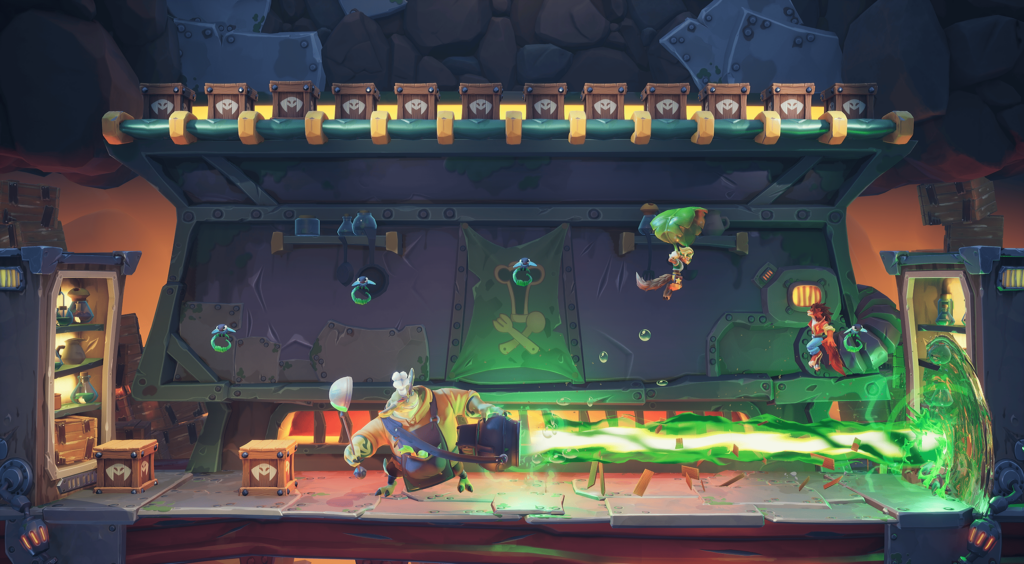
“Nikoderiko: The Magical World” captivates with its nostalgic charm and makes the appeal of classic platformers accessible to a new generation. It stands out for its ease of play, humorous moments, and a couch co-op mode that encourages playing together. The colorful art style and fitting soundtrack create a positive atmosphere, while changing worlds, perspectives, mechanics, and minigames keep things fresh. Collectible challenges and varied level designs encourage players to keep going and offer children and teens a safe, entertaining introduction to the genre.
CATEGORY: EDUCATION
Edurino – Words and Phrases in Edurino
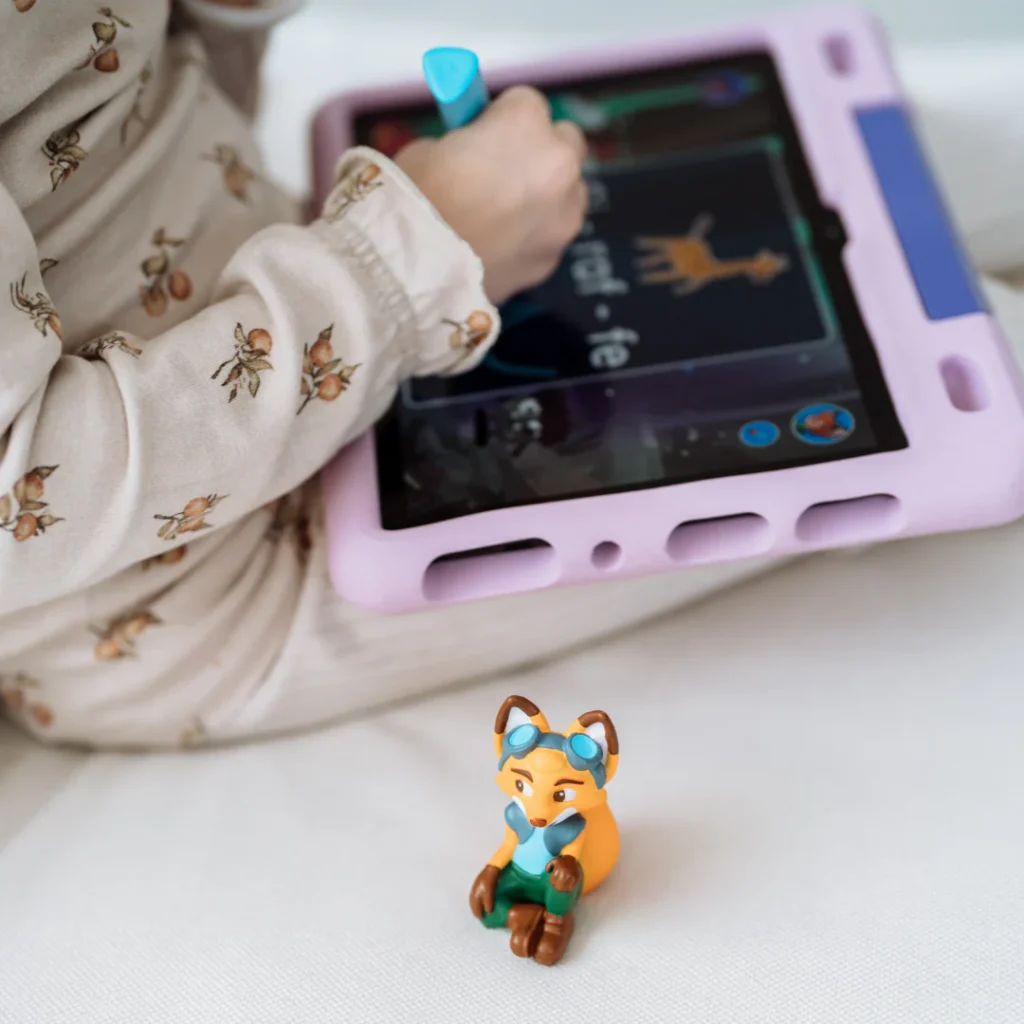
With “Edurino – Words and Sentences” featuring the superhero Mika, children dive into an interactive learning world with the help of a magic stylus. Together with Mika, they explore letters, sounds, and words, solve puzzles, and help the inhabitants of the virtual world. The app combines tactile and digital elements, develops language and literacy awareness, and makes the transition to reading and writing playfully easy. Thanks to its child-friendly design, varied exercises, and engaging story, learning becomes an exciting adventure that’s a lot of fun.
Rascal’s Escape – A Mischievous Rascal on the Road (The Good Evil)
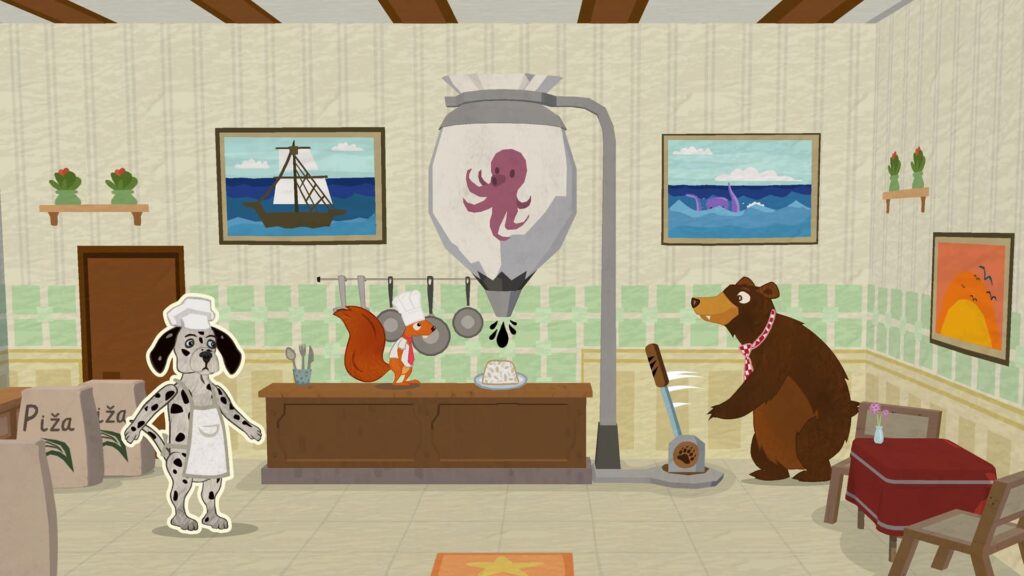
In “Rascal’s Escape – The Mischievous Badger on a Journey,” children set out in search of a little badger who has hidden himself in various European countries. Along the way, they are playfully introduced to different languages and cultures. The app provides age-appropriate introductory exposure to languages, sparks curiosity about foreign languages, and fosters intercultural understanding. The successful combination of adventure, puzzles, and learning creates a motivating gaming experience that’s not only fun but also promotes important skills and introduces children to new languages along the way.
TukToro (Ta2zebra)
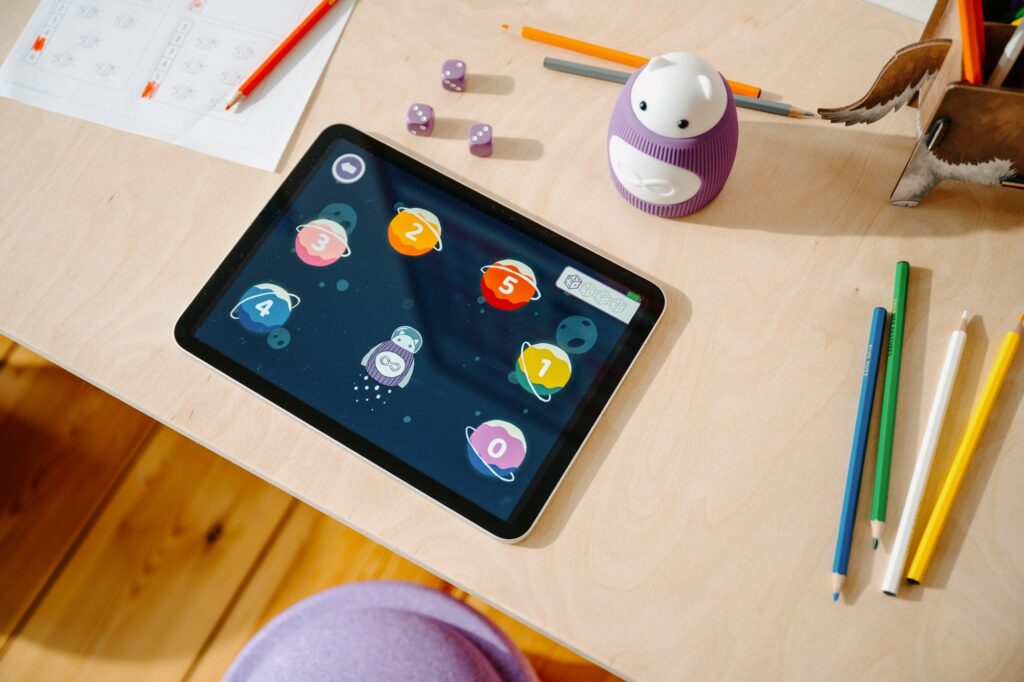
How cute is that? With the “TukToro” figure and the lovingly designed app, kids can discover the world of numbers through play. A particularly nice touch: the numbers rolled on the dice become part of the app. The figure is beautifully designed, makes only the necessary sounds, and has a slightly magical quality. Pop the dice in, shake the figure, and the numbers instantly appear in one of the mini-games within the app. It’s a great tool for showing kids how fun numbers and math can be.
Stabilo Bolly (Stabilo)
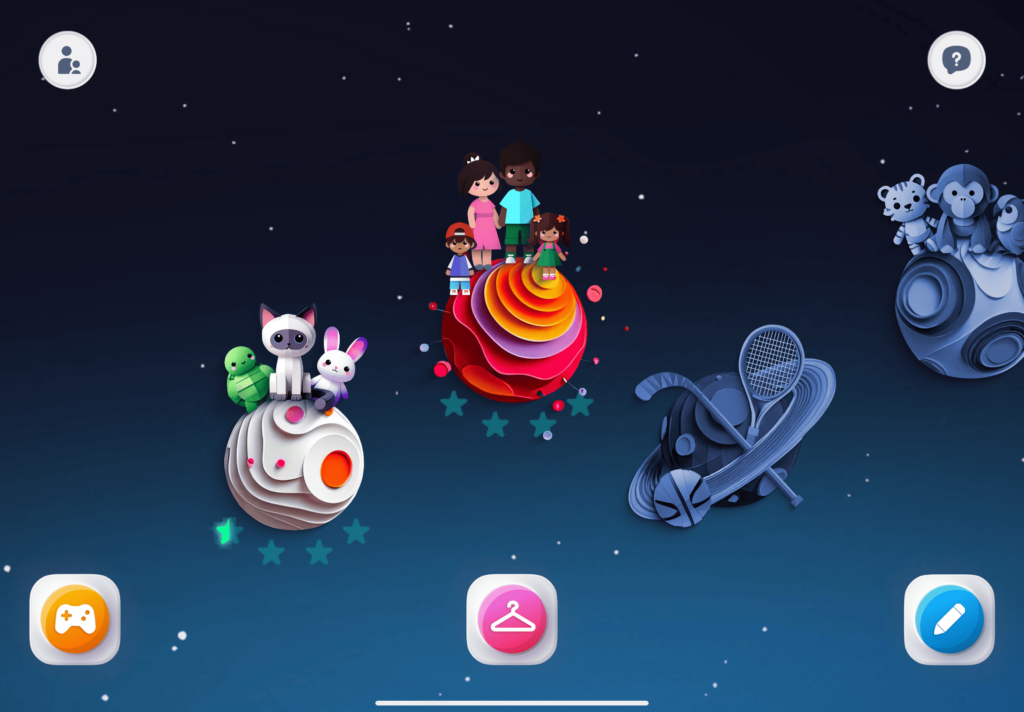
Stabilo combines traditional handwriting instruction with digital elements, turning writing into an interactive experience for children. The smart pen tracks writing movements in real time and transmits them to the accompanying app, which provides personalized feedback on handwriting motor skills. A variety of exercises and mini-games help develop fine motor skills, proper pen grip, and writing speed. The app is child-friendly and supports independent learning through a read-aloud feature and age-appropriate tasks—a great system that makes learning enjoyable and motivating.
Mambio – Learning Up to 100 (Neurodactics)
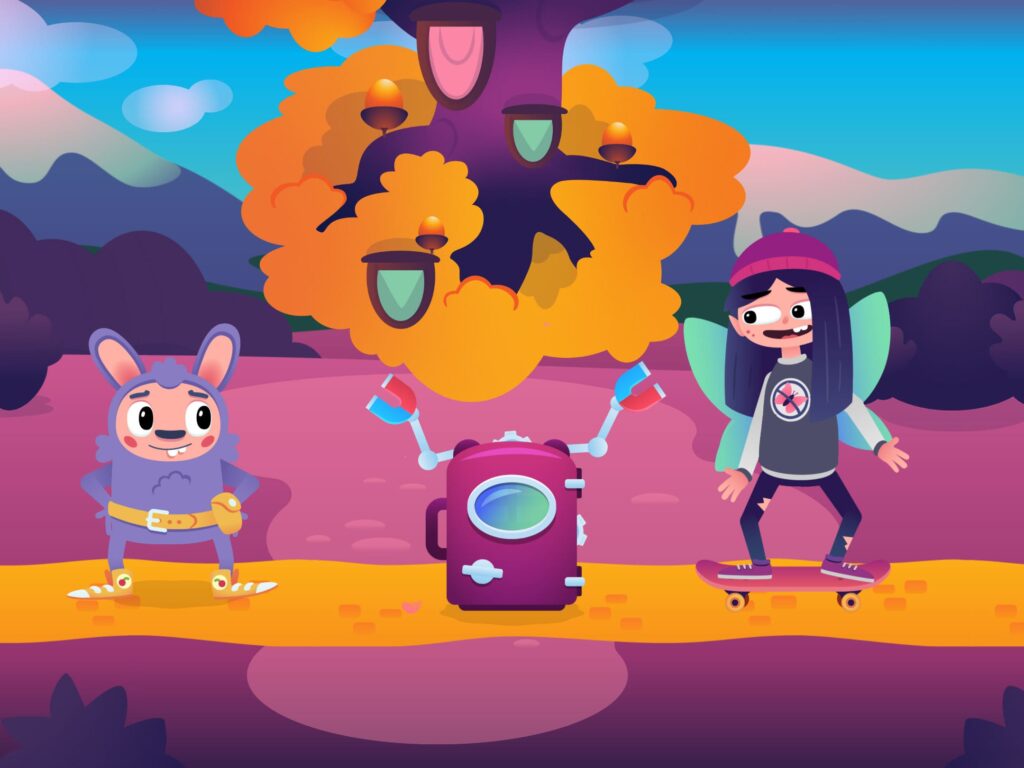
“Mambio” is a colorful educational app that helps children with counting and arithmetic. By customizing the content, the app ensures a frustration-free learning experience in which every child can progress at their own pace. A friendly bunny avatar guides children through the game, explaining tasks step by step and reading them aloud. The app uses symbols to promote understanding in a playful way. The project appears innovative and well-thought-out, scientifically sound, and is being implemented in a promising way by a Hamburg-based startup.
AnoMed – Searching for Clues in AI (University of Lübeck, Privacy & Security Research Group, IST)
“AnoMed – Searching for Clues in AI” is an innovative educational board game that teaches players about how artificial intelligence works in a fun way and raises awareness of data privacy issues. Players take on the role of attackers and attempt to reconstruct private information from the results of a trained model. In the process, they learn how AI models are trained and what risks are associated with the use of data. The game promotes critical thinking, an understanding of AI and data protection, and engagement with ethical issues in the digital age.
The Ilios Experiment (Kreuzberg Initiative Against Anti-Semitism, Inc.)
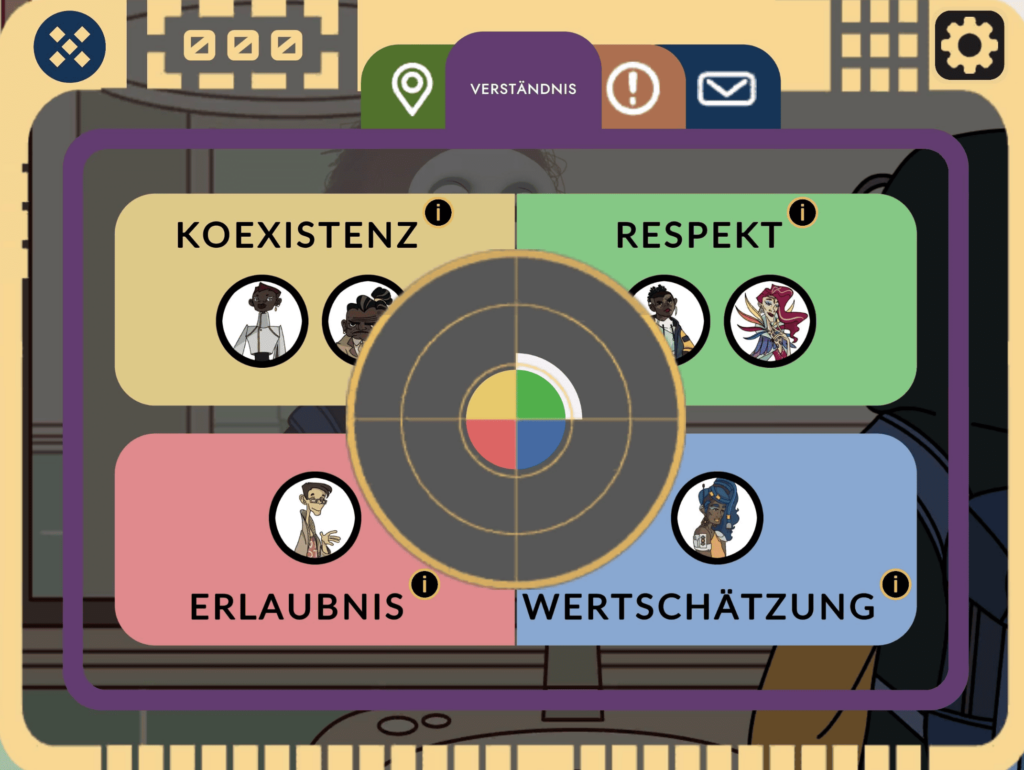
Ilios is supposedly the perfect city. But what happens when I influence the lives of others by reporting or praising them? Anyone who gets to know the city and its residents quickly realizes that the experiment’s glamorous facade is deceptive. On the one hand, the game fosters tolerance for others, but it also prompts players to reflect on just how far one can go in such a world. The “Social Score” used in the game is very reminiscent of the point system used in China to reward or punish people. It always raises the question: How fair can something like this really be?
Lazuli Plus (funline Media)
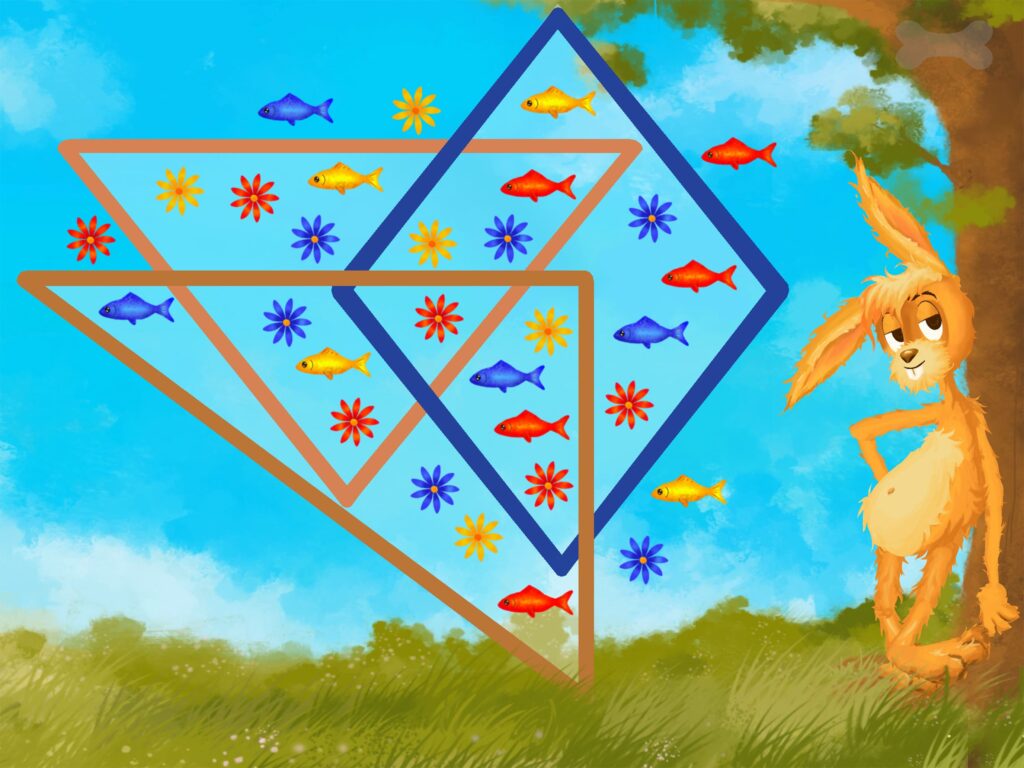
"Lazuli Plus" takes children into a colorful world: With a charming main character, they tackle tasks and puzzles in beautiful, lovingly illustrated environments to earn bones for Lazuli. The app stands out for its entertaining and varied design—each level brings new challenges, and some require a high degree of concentration. The game trains logical thinking, attention, and perseverance, while also stimulating creativity and turning learning into an experience that provides lasting motivation.
Facts & Fake (3) (Telekom Foundation)
In the third part of “Facts & Fakes,” students once again explore which pieces of information are true and which turn out to be fake. It doesn’t matter whether they come across it in the news, on social media, or through word of mouth. The players examine a wide range of media sources to separate the wheat from the chaff. The specific feedback and posts help them try out these verification methods even beyond the educational game. And it’s a lot of fun, too!
Oddada (Sven Ahlgrimm, Mathilde Hoffmann, Bastian Clausdorff)
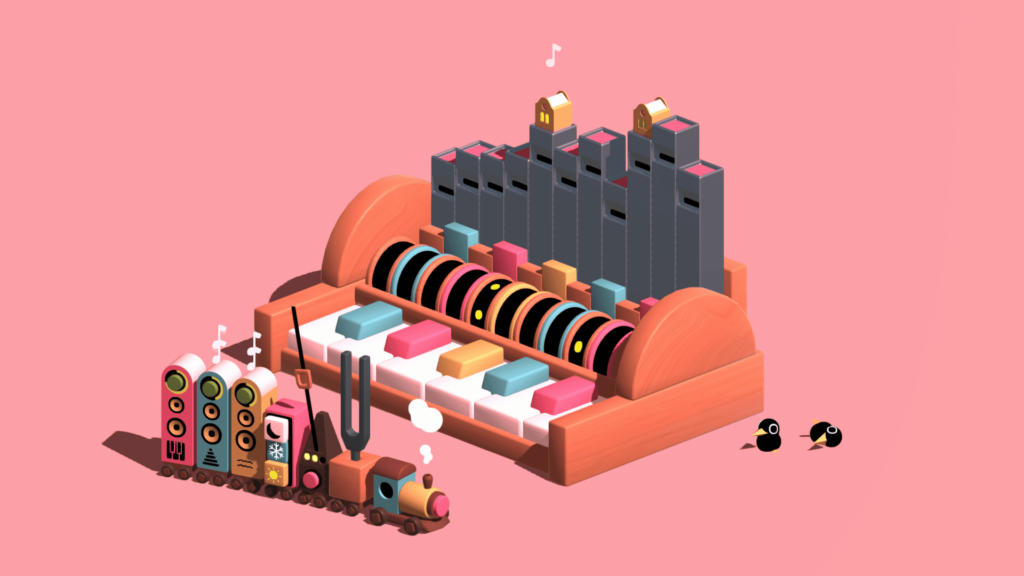
How awesome! In a colorful world full of sounds and melodies, you can create your own tunes and, in the end, design your own cassettes. Without any preparation at all, you’re thrown into the world of music and get to experiment. With just a little sense of rhythm, you can create wonderful songs that you can save. The graphics are more than appealing and leave you wanting more. You can just try out absolutely everything. Wonderful.
PROMPT – The Study Plan App (DIPF | Leibniz Institute for Educational Research)

Learning comes more easily or more difficultly to students depending on the individual. The creators of “Prompt” have used scientific research to explore how they can provide targeted support to children and teens as they learn vocabulary. The process begins with a well-structured assessment of the student’s personal abilities and past learning behaviors. Through interactive missions, they receive support in planning and realistically putting their strategies into action. Helpful and well-designed for organizing learning.
YOUTH EDUCATION
Eyewitnesses 1945 (WDR)
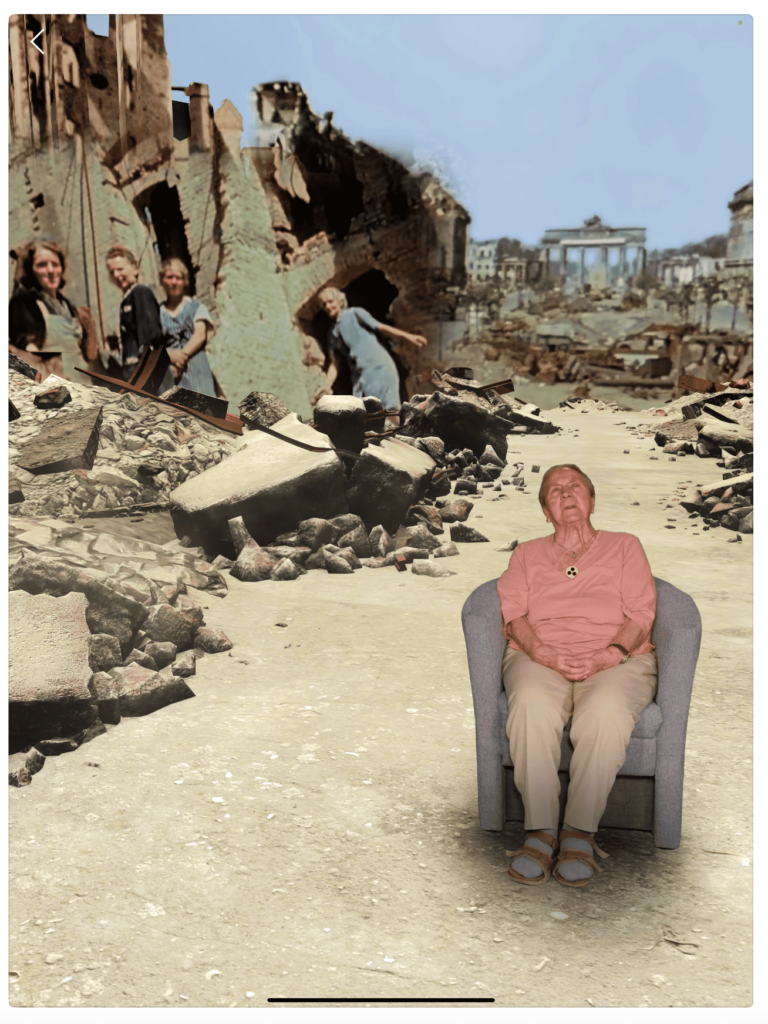
“Eyewitnesses 1945” succeeds in creating an emotional connection to those involved in World War II through eyewitness accounts—which are so essential for learning history. A shift in perspective, identification, historical learning, insight into living conditions and historical contexts… “Eyewitnesses 1945” achieves all of this in a way that makes this challenging subject matter accessible to both children and adolescents. The app features four AR scenarios on clearing rubble, harsh winters, hunger, and war and trauma, each accompanied by a brief context and AR interactions. Guidance from media educators and a sensitive approach are recommended.
Lootmania: The Game Show (EDUCATION Y e.V.)
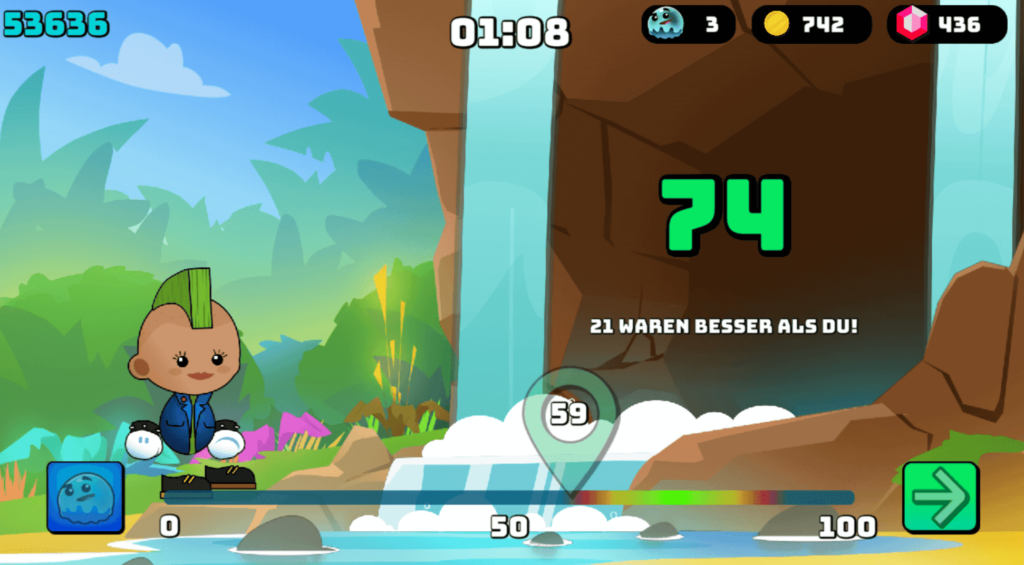
How many gambling mechanics and dark patterns can you pack into a game designed to educate players about these underhanded tactics? “Lootmania: The Game Show” brings together all the tactics shady businesspeople use to extract data and money from children, and then provides clear and comprehensive feedback on which traps the players have fallen into. In this way, the game is both educational and entertaining, encouraging players to reflect on their own behavior.
Mission: Magic Diary: “Racism—Totally Off the Mark” (SWR)
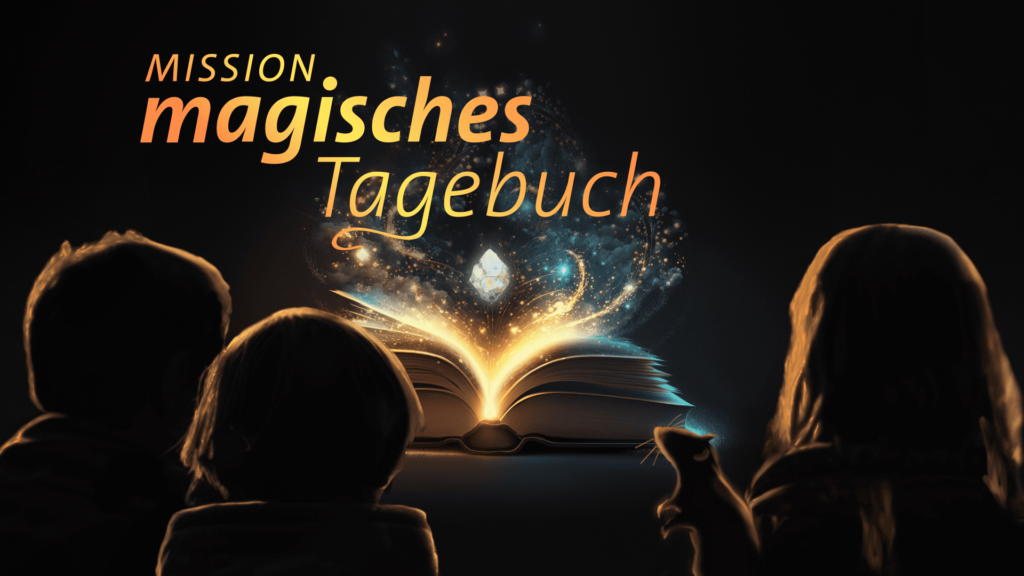
In the episode “Racism—Totally Off the Mark,” the podcast “Mission: Magic Diary” tackles a very important topic. The episode begins with a voice message from Kai, who shares his own experiences with racism. The children are deeply moved and work together with the diary to find answers: What do other children know about racism? Many share their experiences, and Checker Tobi explains the concept in a way that’s easy for kids to understand. This creates a space where young listeners can both gain knowledge and find the courage to take action themselves. The episode highlights various ways children can respond when they experience or witness discrimination. In this way, the podcast provides valuable education and helps foster greater sensitivity in everyday life from an early age.
The Ilios Experiment (Kreuzberg Initiative Against Anti-Semitism, Inc.)
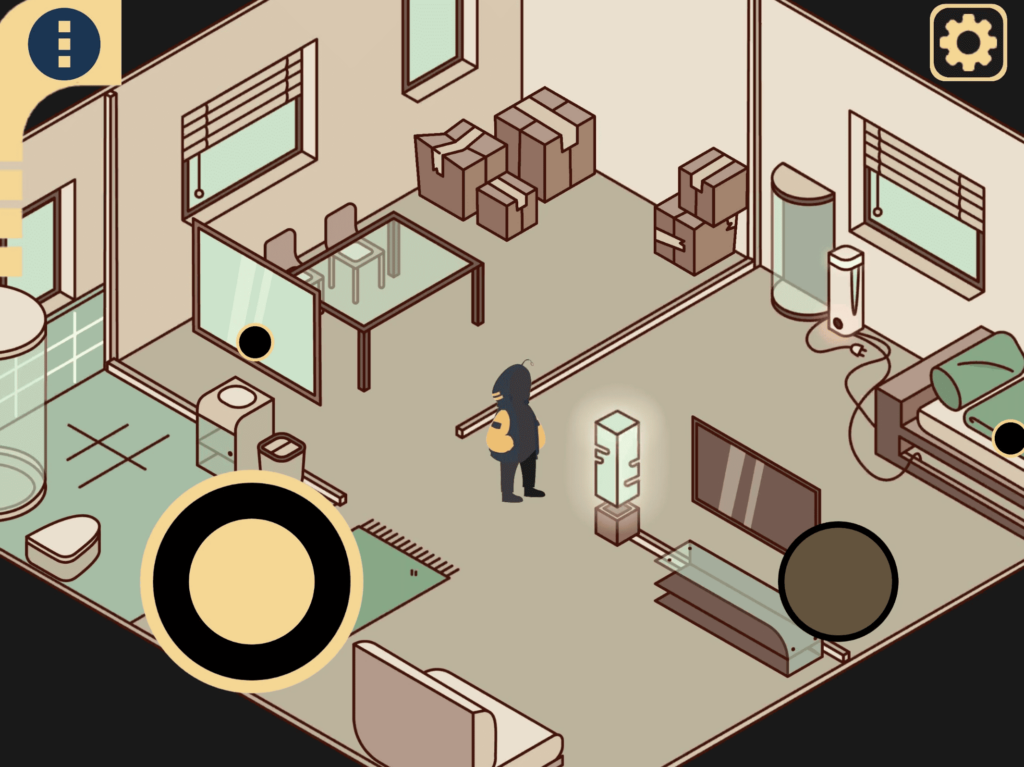
In “The Ilios Experiment,” children and teens visit the model city of Ilios, which is considered the “most tolerant city in the world.” They talk with residents, make decisions, and resolve conflicts to find out how justice and tolerance work in practice. Through their interactions with the city’s residents, players develop empathy, reflect on moral issues, and learn to consider different perspectives. In this way, the app combines exciting story elements with critical thinking and the development of social skills.
RE:think – The Digital Learning Lab at the Anne Frank Educational Center (Anne Frank e.V.)
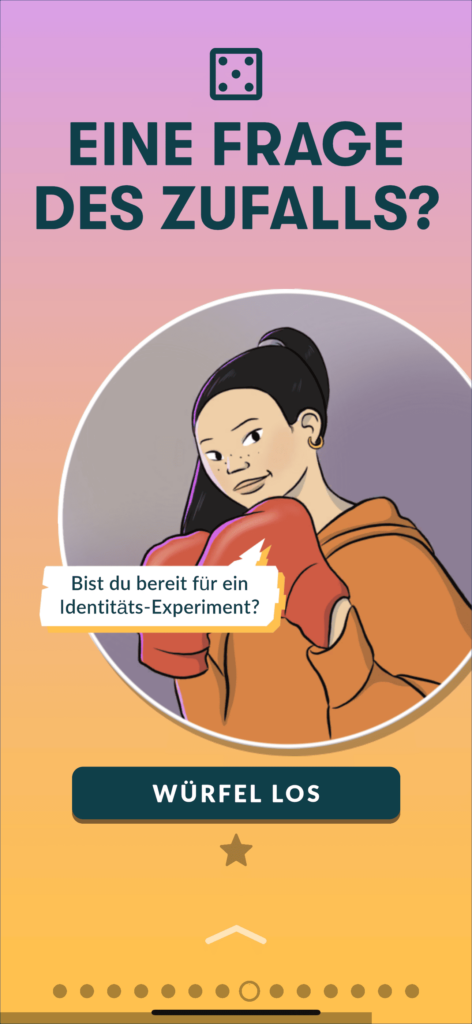
“RE:think” is a free app for young people featuring eight mini-games designed to raise awareness of difficult topics such as racism, anti-Semitism, and discrimination. It is based on the learning lab from the exhibition “Anne Frank. More Tomorrow.” The app is clearly intended for formal learning settings in both school and extracurricular education, but it also offers interested users opportunities to engage with uncomfortable yet undoubtedly important challenges beyond those settings. The game is great. Players can really explore the key themes well.
The Darkest Files (Paintbucket Games)
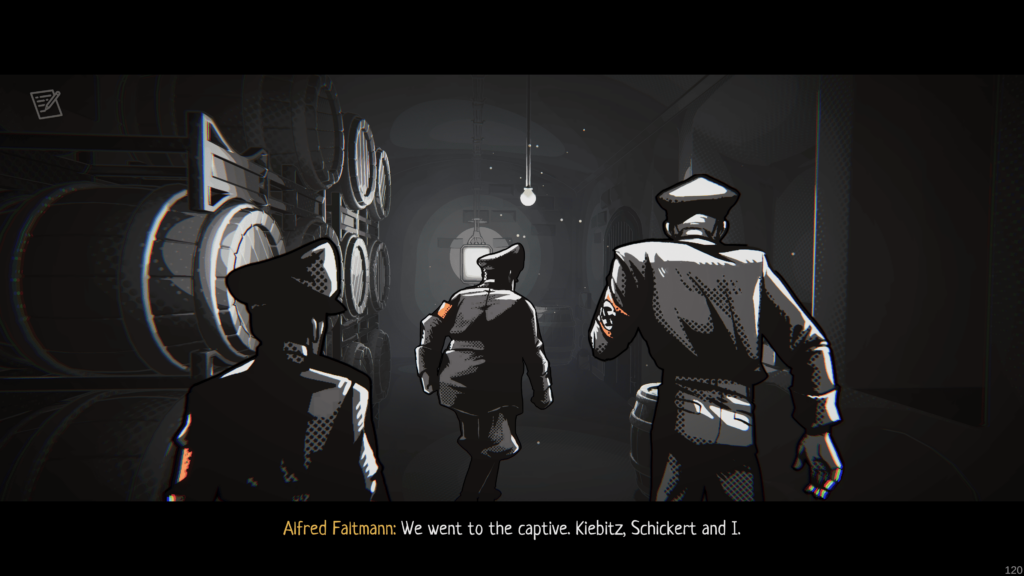
Shortly after the end of World War II…the battles of annihilation are over, but many crimes remain unpunished. But investigating Nazi injustices proved to be no easy task at the time… To raise awareness of this issue and shed light on Nazi injustices, players take on the role of Esther Katz, a young prosecutor who, as part of Fritz Bauer’s team, strives to ensure justice is served. Inspired by real cases, players investigate, piece together, and argue cases all the way to trial, trying to figure out: What really happened? A game that is currently unparalleled in the context of learning through remembrance.
THE FEED (Baden-Württemberg State Office for Communication, LFK)
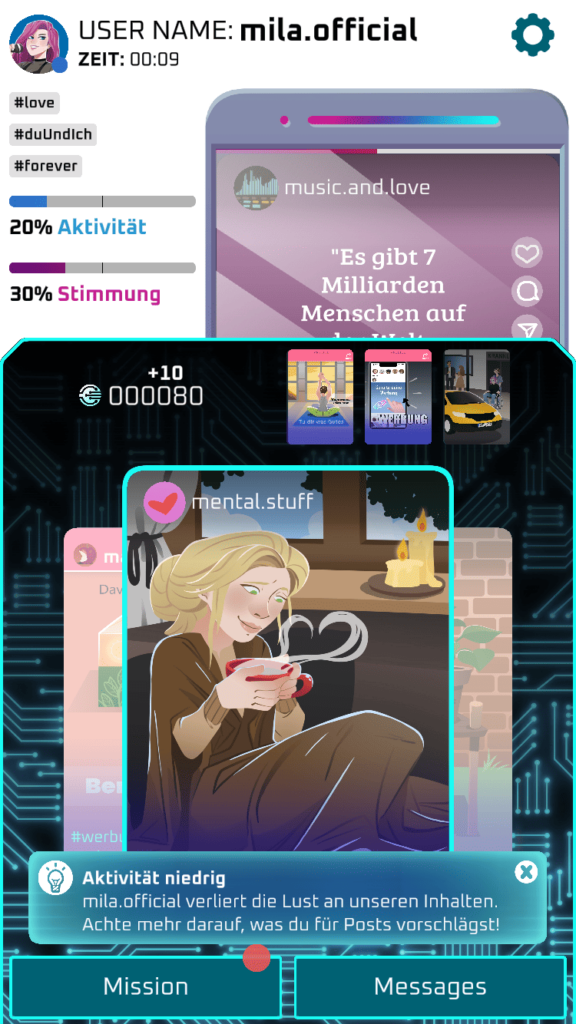
In “THE FEED,” teens take on the role of an algorithm and decide what content their users will see. In the process, they experience firsthand how social networks capture attention, amplify trends, and influence opinions. The app makes the mechanisms of filter bubbles, personalization, and addictive factors easy to understand and encourages young people to critically reflect on their own media use. Through this playful exploration, young people learn how digital platforms work and develop an awareness of the opportunities and risks of social media—an innovative approach to media education and digital literacy.
Facts & Fakes (3) (Telekom Foundation)
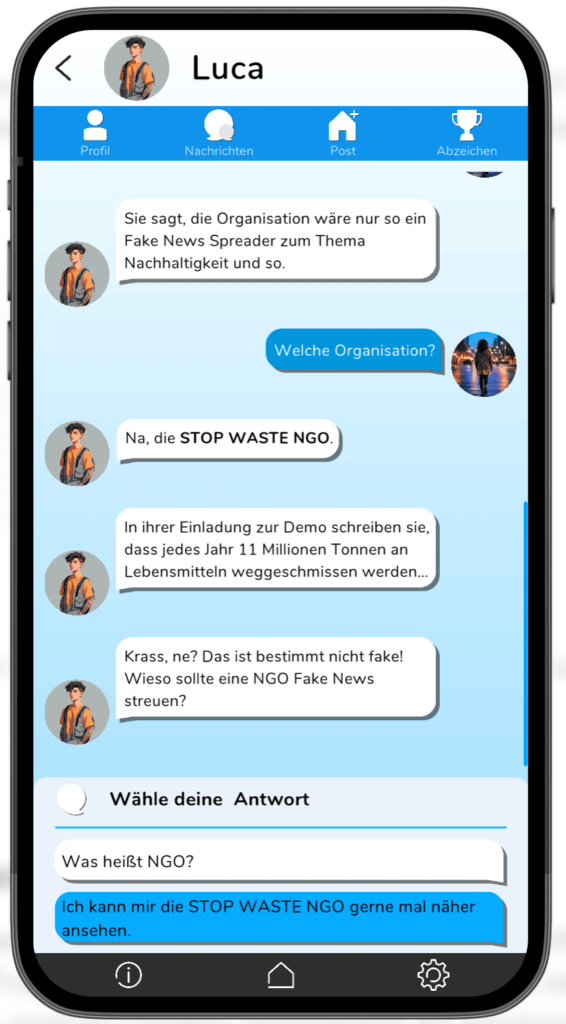
What a great development! The app is extremely relevant to the lives of children and teens. The different lengths and content offered by the individual game variations are especially great. The Skill Booster really stands out. In entertaining levels, important topics such as source criticism, advertising, opinions, and facts are covered and explained using brief, very well-chosen examples. This knowledge can then be applied in the other games. Especially in an age when sources are often neglected, this is a fantastic app.
freii—A program promoting mindful use of digital media (Villa Schöpflin gGmbH – Center for Addiction Prevention)
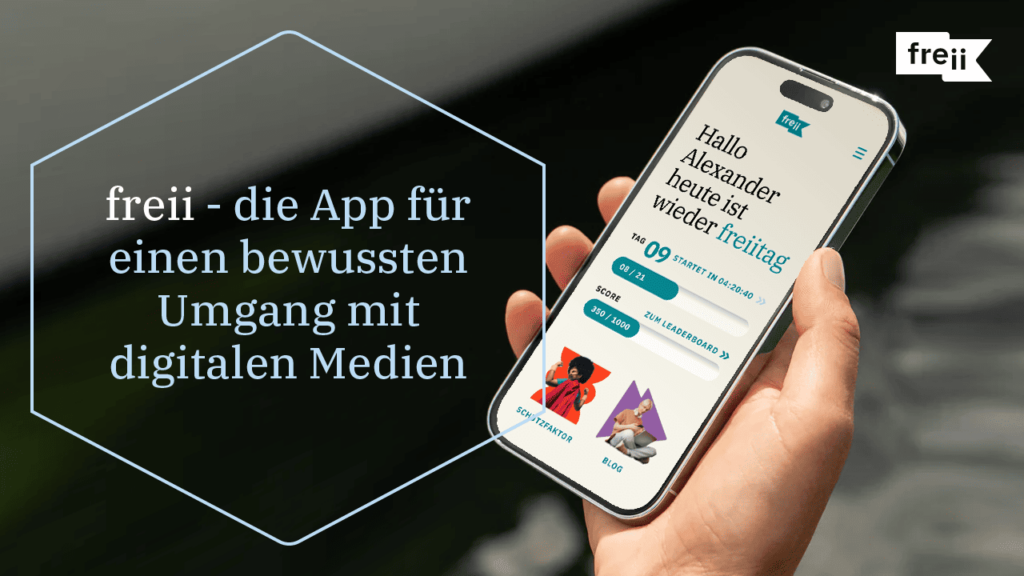
The issue of cell phone addiction is a pressing one and should be addressed much more often. “Meeting” young people exactly where the problem lies is a good strategy. Presenting the whole thing in the form of “challenges” makes it fun. In a 21-day challenge, moments for reflection are created step by step, and a mindful approach is established; in addition to the app, extensive educational materials and workshops for schools are also available. An app like this was long overdue.
Mission Ganymed (Protestant Organization for Sociopolitical Youth Education)
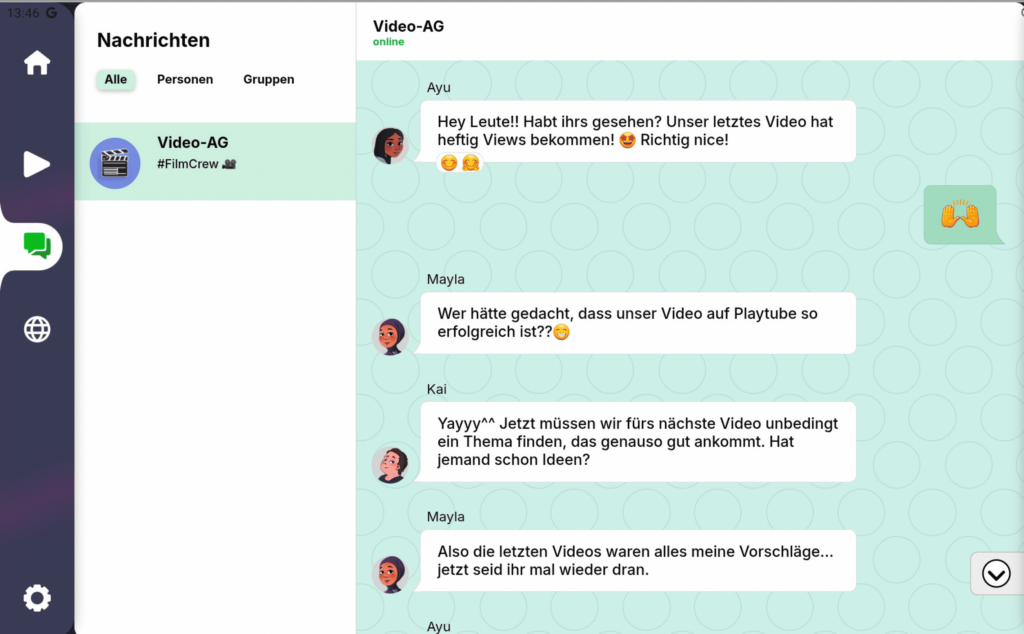
In the lost-phone game “Mission Ganymed,” several players must work together with the
Addressing the spread of fake news and conspiracy theories. The interface is designed to resemble real-life communication situations, making it easier for young people to recognize similar patterns in their own lives. The program, implemented by the Evangelical Church and Playing History, consists of a two-part workshop: in the first part, participants play the game, and in the second part, educational professionals guide them in reflecting on their experiences and applying them to their own lives.
Eco-Kick (Cologne Game Lab)
"Öko-Kick" focuses on conflict management and conflict resolution based on a real-world, complex problem in Cologne (land use). It can only be resolved by consulting additional documents, studies, and expert reports, as well as by listening to diverse voices and perspectives. There is no clear “right” or “wrong” answer; rather, it involves weighing different arguments. In this high-quality game, young people are encouraged and empowered to form fact-based judgments and adopt different perspectives. The game was developed specifically for use in geography or German classes, but it is certainly suitable for a variety of learning contexts and extends beyond subject-specific instruction.
ELECTRONIC TOYS
TukToro (2zebra)
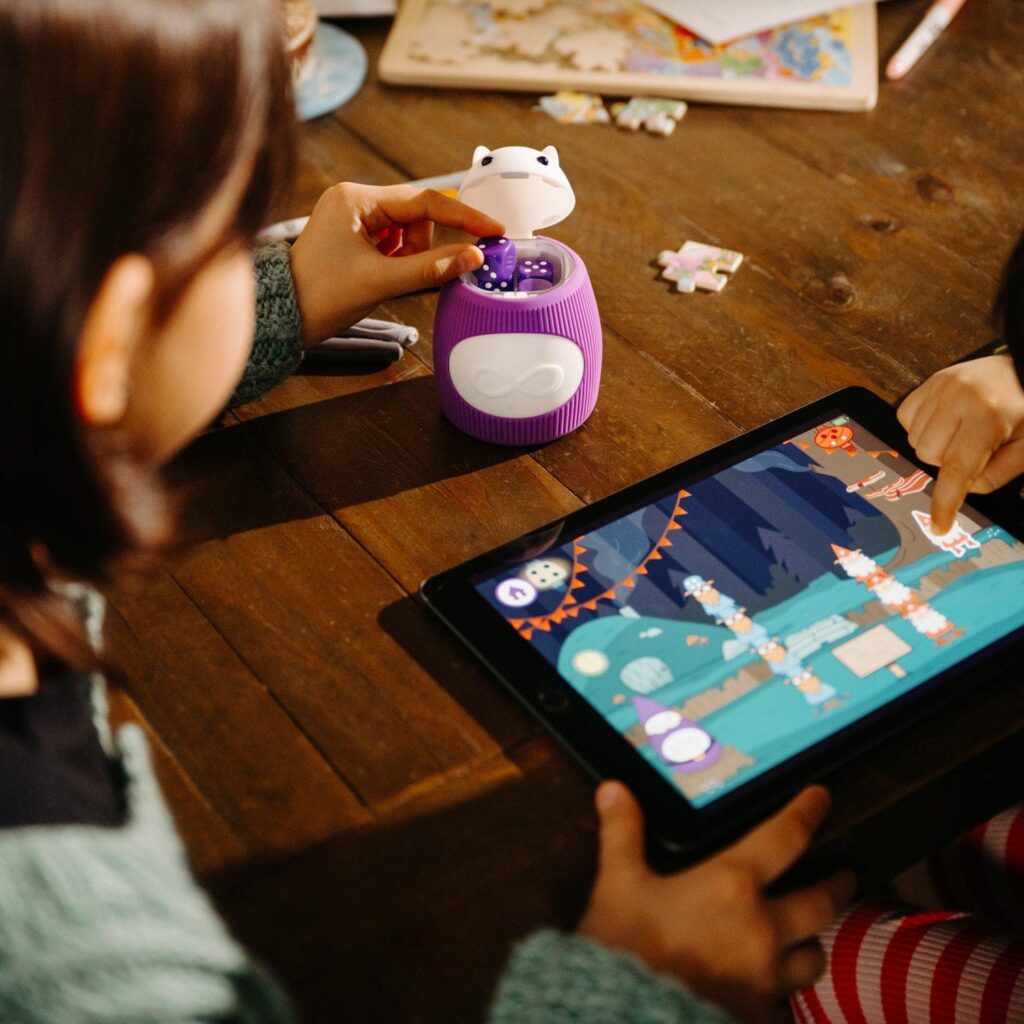
Shake, rattle, count: “TukToro” combines tactile cubes and an app into a multisensory math adventure that playfully teaches and reinforces sets, numbers up to 20, and patterns—as an electronic toy for children and as an educational tool for home, daycare, and school. The sturdy figure provides light, sound, and vibration feedback. Short learning stories encourage independent exploration, differentiation, and use in learning therapy. Motivatingly designed and packaged in games with a well-structured pedagogical approach.
Flipslide (Moose Games)
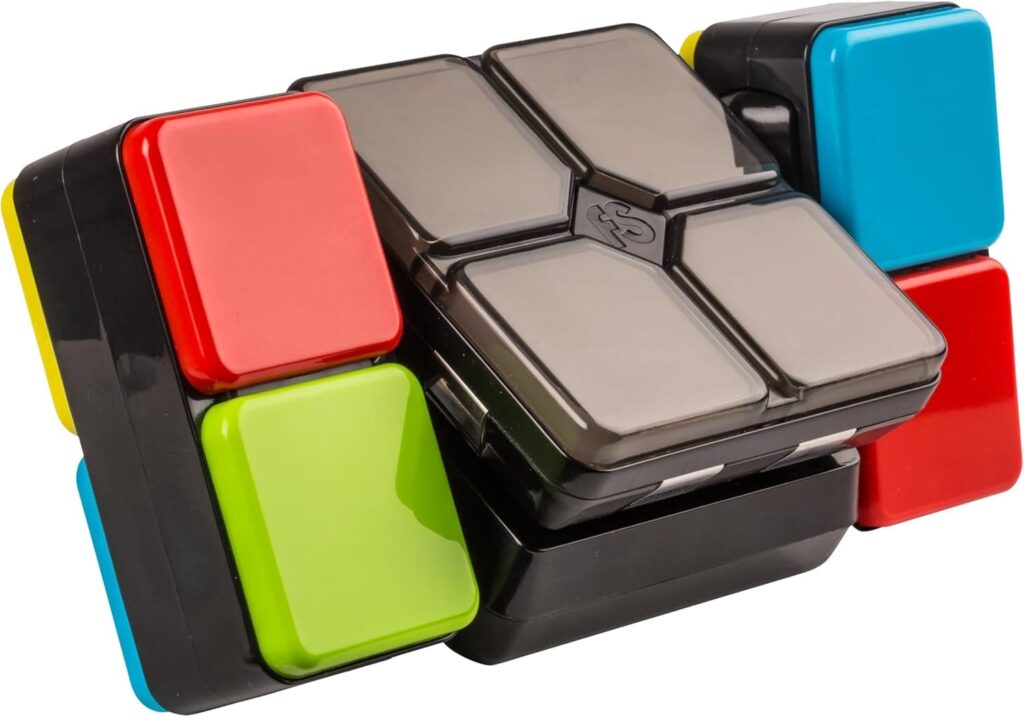
Don’t lose your cool—and always keep your bearings in the portable, electronic matching game “Flipslide”! It’s not easy and requires quick reflexes, dexterity, and a good memory. The goal is to rotate and slide the colorful blocks so that their bright colors match the prompts. The LED lights change after every move, requiring further adjustments. Four game modes—Speed, Levels, Memory, and Multiplayer—offer varied challenges for single and multiplayer games. Its compact size makes “Flipslide” ideal for on-the-go play and impromptu game sessions. A great little game!
Ventopia (Ravensburger)
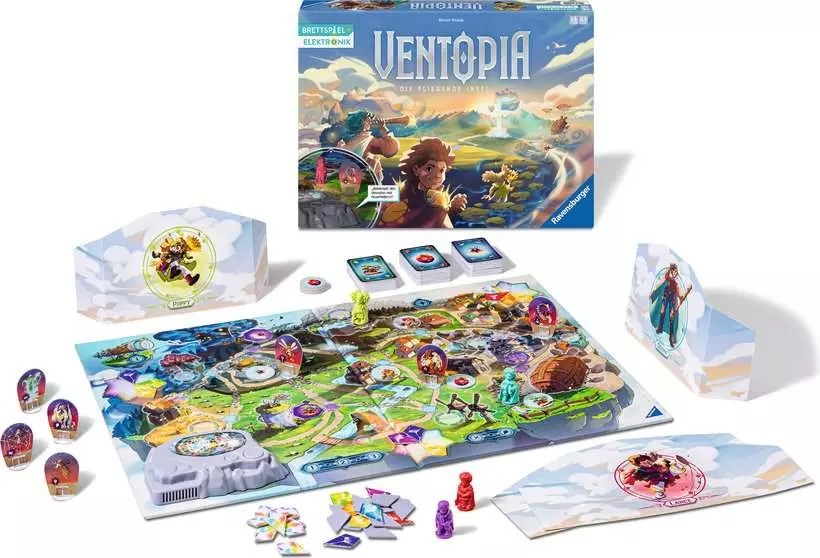
A highly successful fusion of board game and electronics by legendary game designer Reiner Knizia. The game board features a built-in narrator who explains the rules and procedures and weaves the fantasy story around them. The narrator also tracks the characters’ positions and brings the spaces to life with stories and events. Players must manage many typical board game elements, such as pieces, tokens, and cards. This creates a wonderfully dynamic connection between the story coming from the speaker and the action unfolding on the game board.
GALAKTO Player + Audio Token (Tiny Monster)
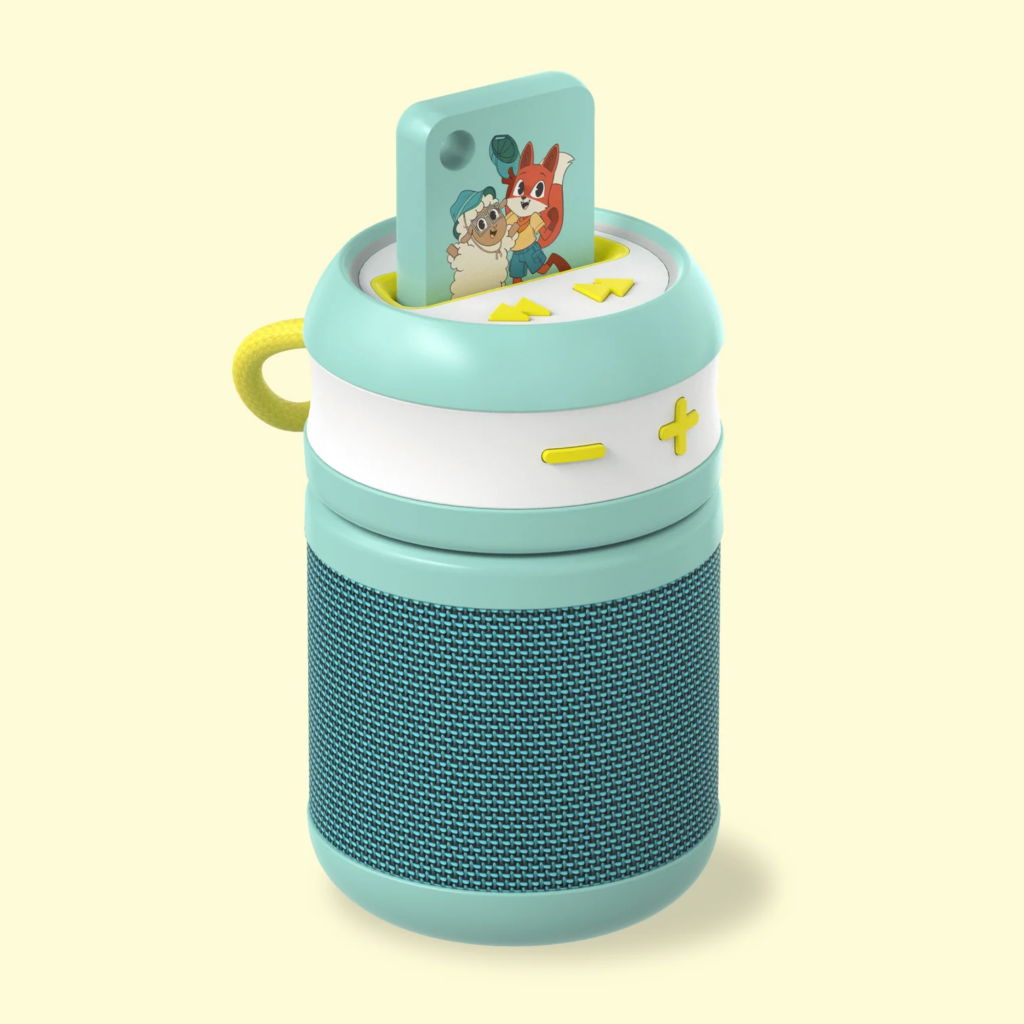
The “Galakto Player” is an offline music and audiobook player for children that accesses content via
It plays audio tokens. No internet connection or app is required. The magnetic audio tokens snap into the player with ease, and the content starts playing immediately. You can adjust the volume and fast-forward or rewind the content directly on the player. A great feature is the Twist’n’Go function, which allows you to detach the part of the player with two headphone jacks from the speaker.
Carl the Coding Chameleon (Kosmos)
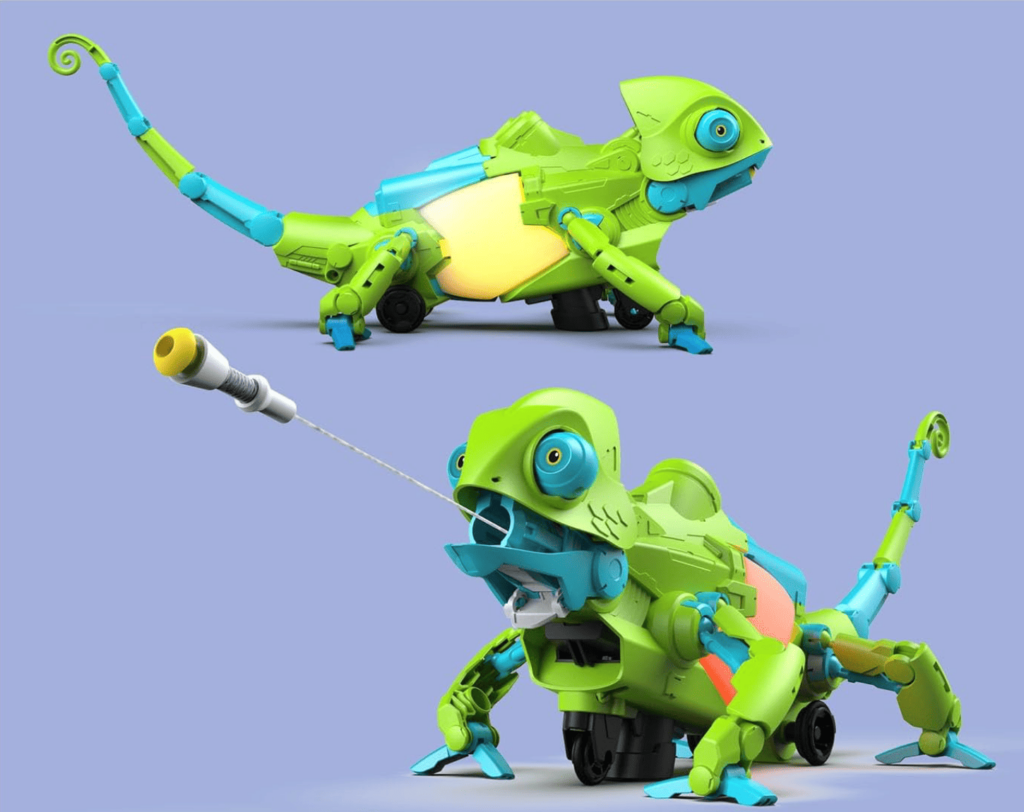
“Carl the Coding Chameleon” is a real hit. The building phase is an important part of the experience and, as always, not exactly a walk in the park. It’s quite tricky at times, but also super exciting and educational—with gearboxes, motors, and sensors. Anyone who skillfully puts it all together can be proud of their creation. Even the finished Carl offers hours of fun. He reacts to his surroundings, moves, and can run around. Parts of his body light up. Sometimes he opens his mouth and shoots his tongue out. He’s significantly more agile and dynamic than other robot pets on the market. You can easily program your own sequences of the available moves using colored cards that you hold under his belly. Really well done, really cool.
Little Live Pets / My Little Monkey Mango (Moose Games)

All kids would love to have a real monkey. But parents very, very rarely go along with that. That’s why “My Little Monkey Mango” is a worthy playmate. This little monkey is super soft and cuddly. When kids stroke his belly, he starts to giggle and squeak. That alone is already cute. But there’s more: His mouth moves when you put the baby bottle or his thumbs into it. The monkey is ticklish, too. Lots of fun to play with.
Primal Hatch (Spin Master)
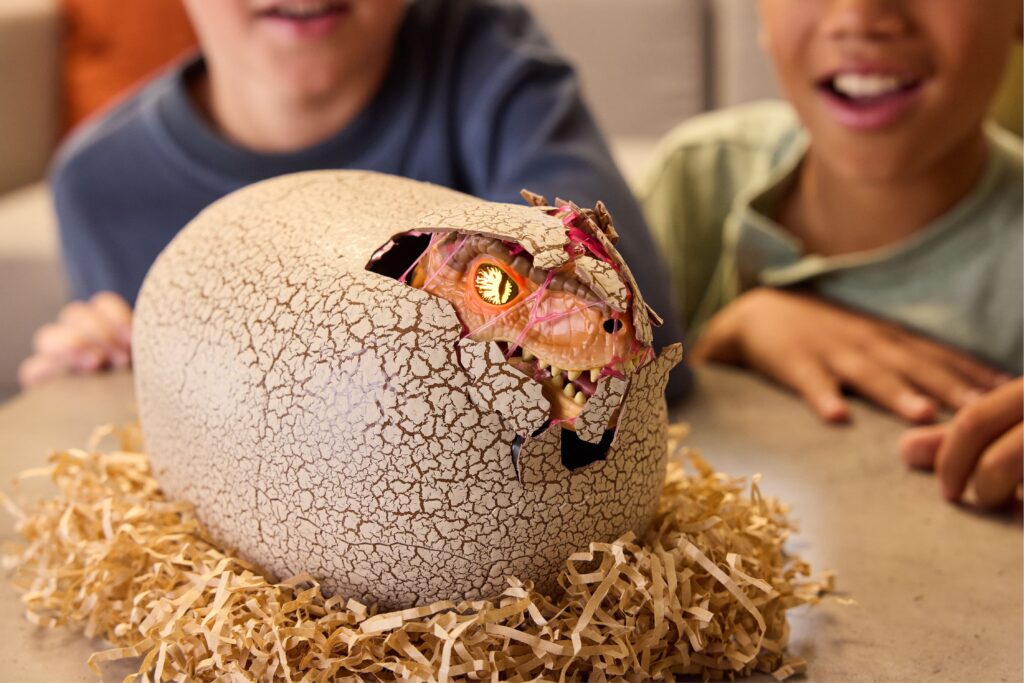
Spectacular: A dinosaur hatches in the kids’ room. “Primal Hatch” turns this once-in-a-lifetime hatching into an exciting ritual, paying homage to a children’s classic. After hatching, the T. rex responds to feeding, petting, and the clicker with over 100 effects, LED eyes, and sensors—just like in animal training. Mini-games, reaction games, and dance games make training easy. We wish we’d had this as kids!
Stabilo Bolly (Stabilo)
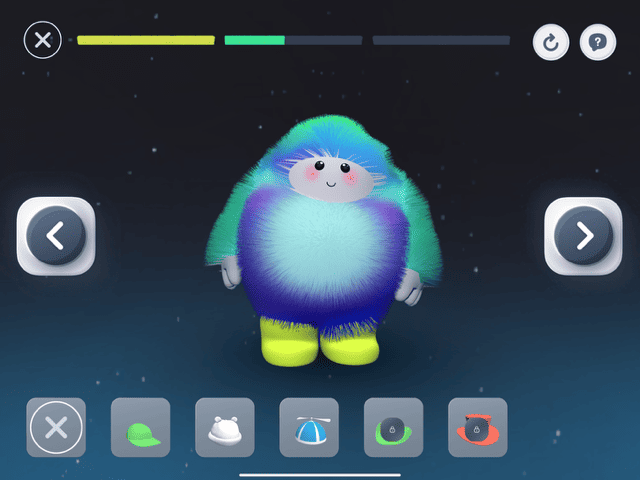
A pen that tells you whether you’re holding it correctly and whether you’re applying the right amount of pressure? Instead of constantly being corrected by adults, “Bolly” invites children on an adventurous journey of writing and drawing. Stabilo makes optimal and innovative use of the pen’s technology to help children learn the correct pen grip in a motivating way—especially for children who haven’t quite outgrown the phase of wanting to do things on their own, this is a great way to learn through play without even realizing it.
Edurino Words and Phrases (Edurino)
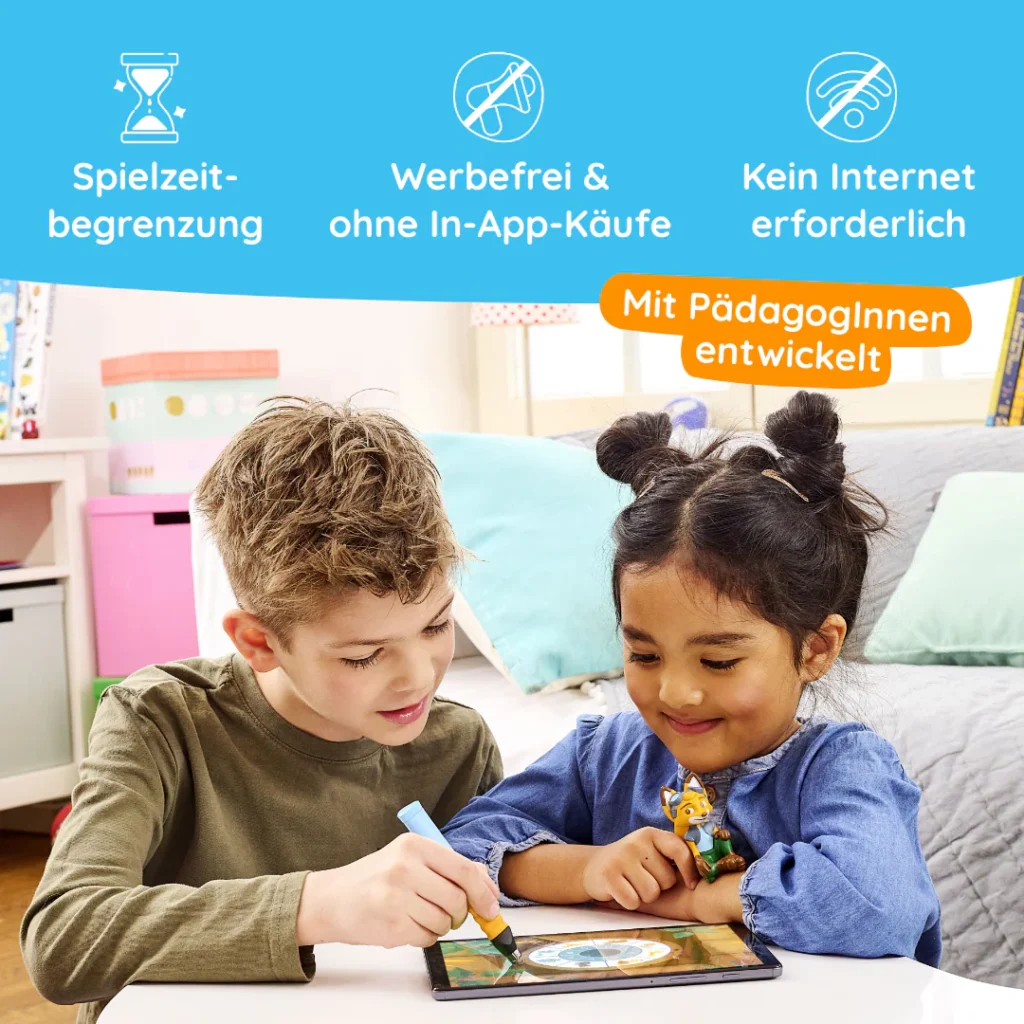
Edurino now offers a wide variety of themed learning worlds. To explore them, you’ll need a tablet, the free app, an Edurino pen, and a matching character that grants access to a specific learning world. The newest character, Mika, introduces children to letter sounds, syllables, sounding out words, and simple sentence structures in a playful way. The character unlocks a learning world in the app; activities, audio clips, and the pen promote language awareness, fine motor skills, and, overall, a motivating introduction to early reading and writing skills.
Daycare
GALAKTO Player + Audio Token Tiny Monster (Tiny Monster)
Here’s what the expert jury on media education has to say: While there are already several other audiobook players on the market, theGalaktomakes it especially easy for children—especially those of preschool age. You don’t have to connect the device to the internet first to listen to stories. Instead, you simply insert a small chip into the device, and you’re ready to go. It offers stories that children love to hear, along with children’s songs and other music. Another practical feature is that the speaker unit can be detached from the top unit, so that in certain situations, children can listen only through headphones without having to carry the entire device with them.
All in all, it’s very well thought out and child-friendly: it boosts children’s self-confidence and ensures they aren’t dependent on adults in every situation. At the same time—given the abundance of visual media—it promotes and emphasizes listening as an important skill in children’s daily lives.
Lazuli Fun (funline Media)
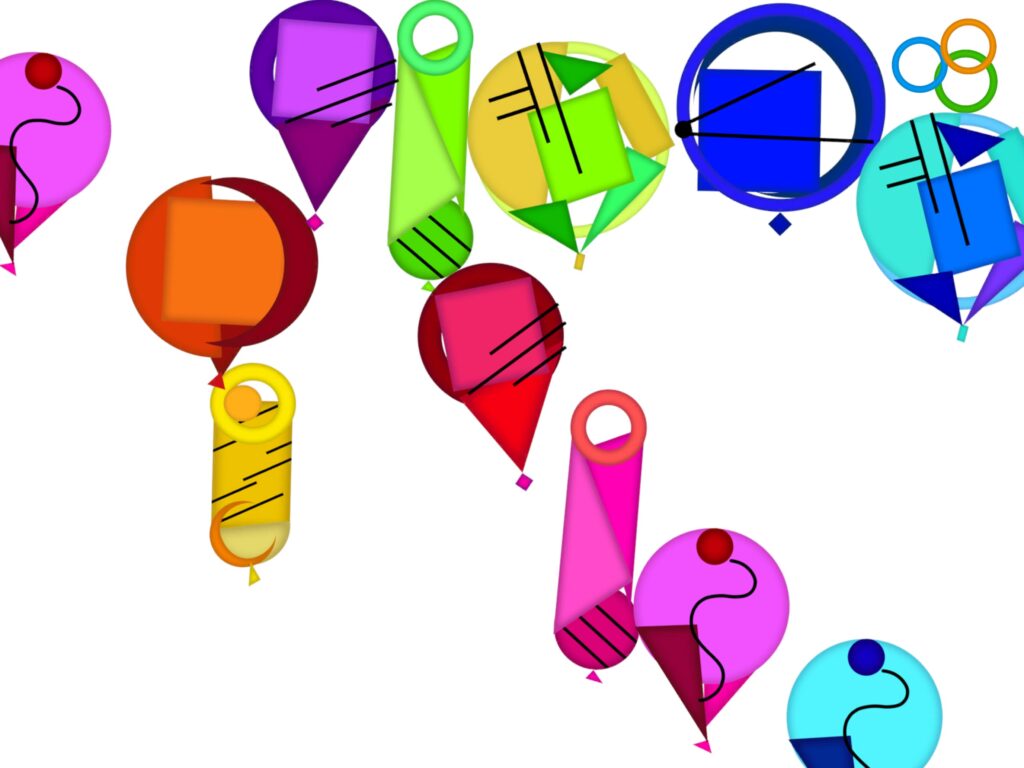
Here’s what the expert jury on media education has to say: With every tap of a finger, colorful characters fly across the screen or new figures appear. Creativity is key—and so is the courage to try everything. There are nearly 20 different areas to explore. Draw colorful loops with your fingers, change the colors of characters, or make it rain colors: This is fun for all children and easy to use, even for the youngest ones. A simple yet highly stimulating app that makes an important contribution to children’s aesthetic education by letting their imaginations run wild. Unlike many other kids’ apps, which dictate what to do and are structured in a strictly didactic way, here children can decide for themselves what happens on the screen.
Chip Chess – Chess for Kids (Schach für Kids e.V.)
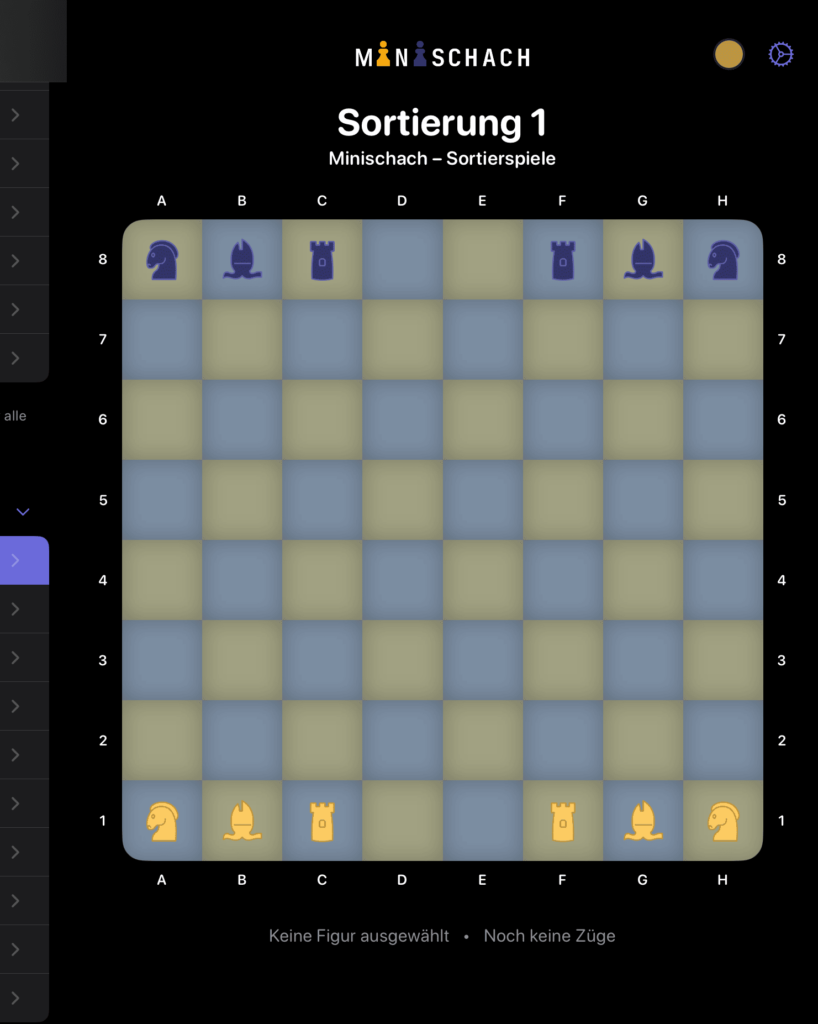
Here’s what the expert jury on media education has to say: Chess is a challenging game that requires critical thinking. You have to know the rules inside and out, understand how each piece moves—and, above all, think strategically. Children are already capable of all this before they even start school. That’s why chess is also suitable for them. Chipschachexplains the rules and shows what each piece can do. Then the game can begin. There are various modes: single-player, multiplayer, “mini-chess,” or a custom game. However, some of the visuals are a bit complicated—and children need to be able to read or have adults explain the content to them. A read-aloud or audio feature would be very helpful. Chipschach is a challenging game in which children quickly learn to think strategically and follow rules. The advantage: They can play it both with friends and on their own.
Edurino Words and Phrases (Edurino)
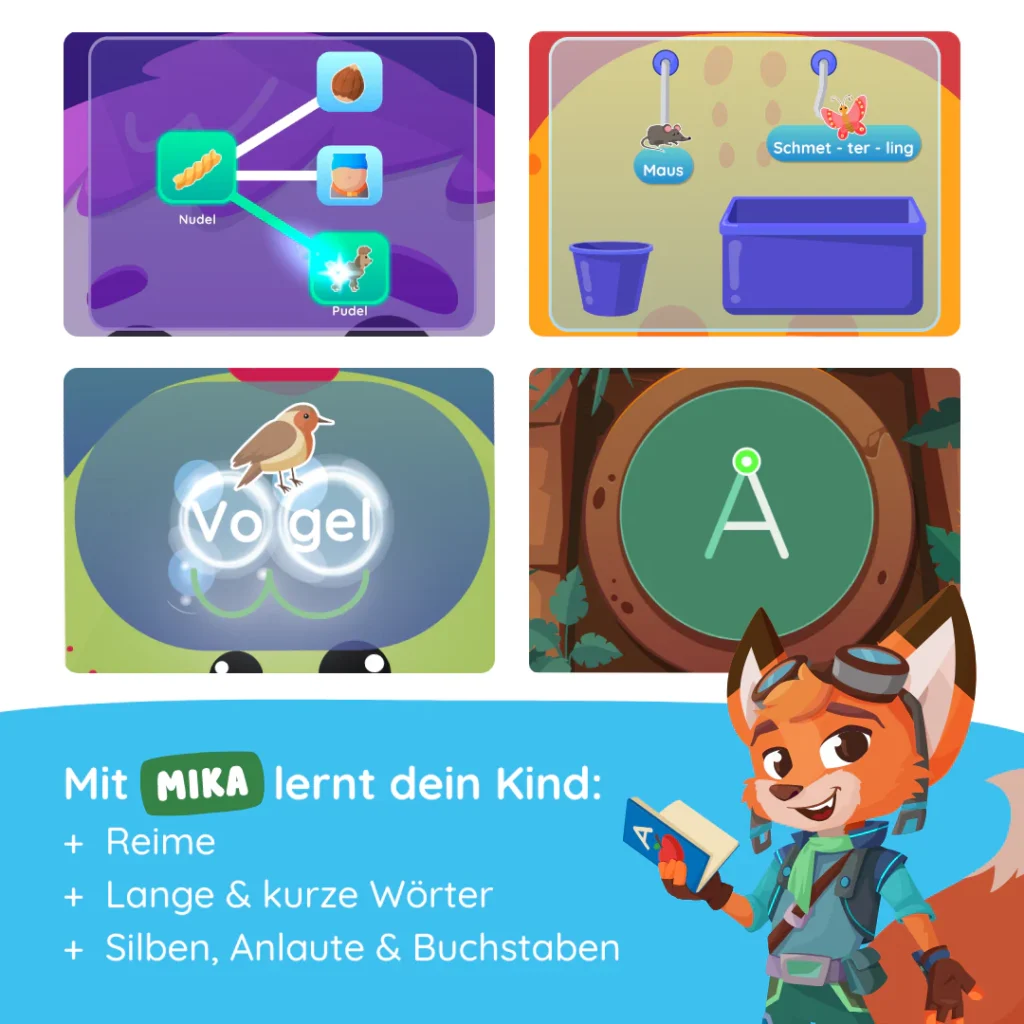
Here’s what the expert jury on media education has to say: WithEdurino—and especially withMika—children learn letters, words, and sentences in this game. First, they place the character on the tablet, and then the journey begins. Using the stylus, they bring characters to life and start learning activities and games. In a playful way, embedded within a story, letters are matched to words and words to objects. In between, there are short games or tasks. For preschool-aged children, this can serve as their first introduction to writing. But they need to be patient, because some characters are very slow and talk a lot. Still, children can have a lot of fun being introduced to writing in a playful way. If children enjoy learning language and are eager to learn to read and write, Edurino can be a great help—though it’s a good idea for parents to guide their children through the process.
About TOMMI
TOMMI.kids is the landing page for all TOMMI activities and is aimed at parents, educators, libraries, and influencers. The focus is on successfully organized events for children and teens—featuring meaningful participation, concrete media literacy training, and lots of fun. These offerings include the renowned German Children’s Software Award TOMMI, the TOMMI Digital Preschool Award for early childhood media education, and the new and informative TOMMI Magazine.