Magazine













Presentation of the TOMMI Children's Software Award Kita: Best Family Game 2024
Contribution
Editor
March 18, 2025
Today, March 18, 2025, the German Children's Software Award for Preschools: Best Family Game was presented. This is the first time since the TOMMI Award was established in 2002 that three winners have been honored in this category.
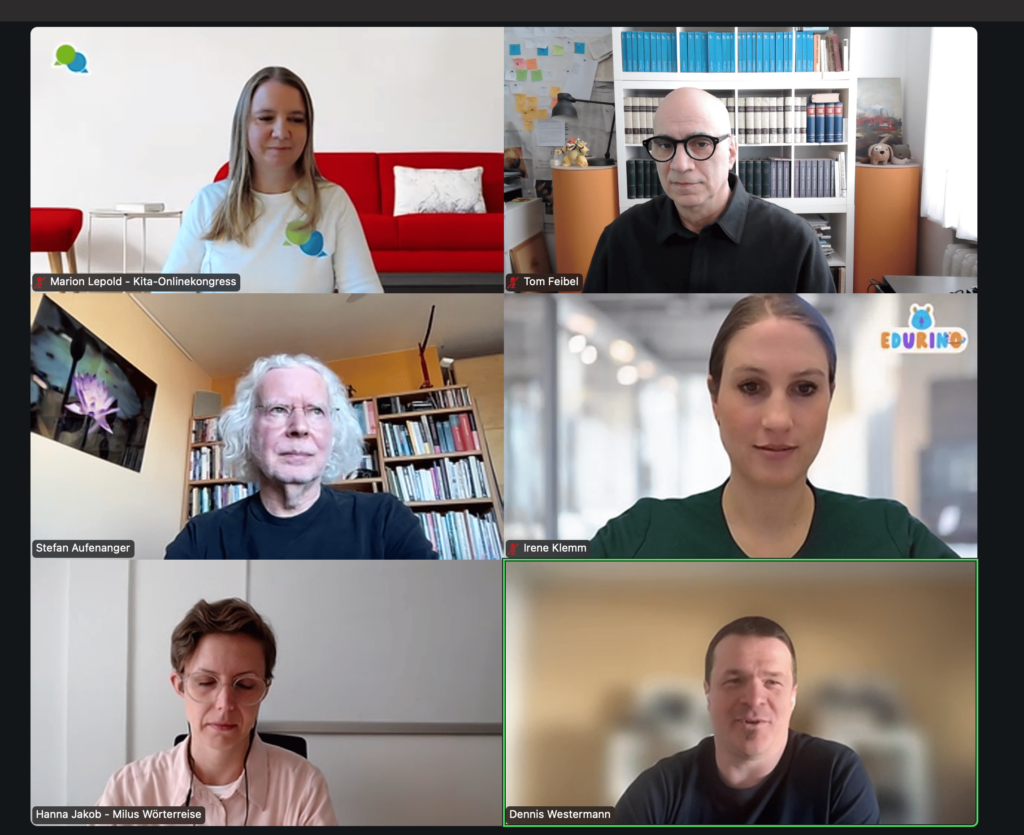
Pictured: Marion Lepold (KITA Online Congress), Thomas Feibel (FEIBEL.DE, Office for Children's Media), media educator Prof. Dr. Stefan Aufenanger, Irene Klemm (Edurino), Dr. Hanna Jacob (Limedix GmbH), and Dennis Westermann (Schnitzeljägerei)
Digital Applications in Daycare—A Look Behind the Scenes
After the winners of the 2024 TOMMI Daycare Award were duly celebrated, the event moved on to an engaging panel discussion on digital applications in early childhood education. Many important questions were raised: How are successful learning apps developed? How can they be meaningfully integrated into the daily routine at daycare? And how can they not only entertain but also truly educate?
The event kicked off with a behind-the-scenes look at the award-winning apps. The developers shared how their ideas came about, what makes their apps special, and what role children and educators played in their development. Afterward, Prof. Stefan Aufenanger provided fascinating insights into current research: What opportunities and challenges do digital applications present, and how can you actually tell if a learning app is truly good?
The award winners also shared their practical experiences. What feedback did they receive from daycare centers? Were there any surprising reactions from children or educators? Another major topic was gamification—that is, playful elements in learning apps. How can these be used effectively to motivate children without losing sight of the educational aspect? And are there any risks involved?
Last but not least, the discussion turned to practical implementation: How do daycare centers introduce new apps? What role do educators play in digital media education? And how can we strike a balance between digital and analog learning methods?
Overall, the discussion showed that digital applications offer great potential for early childhood education—provided they are pedagogically sound, interactive, and meaningfully integrated into the daily routine at daycare centers.
KITA: BEST FAMILY GAME
3RD PLACE
App: Milus' Word Journey (Limedix GmbH)
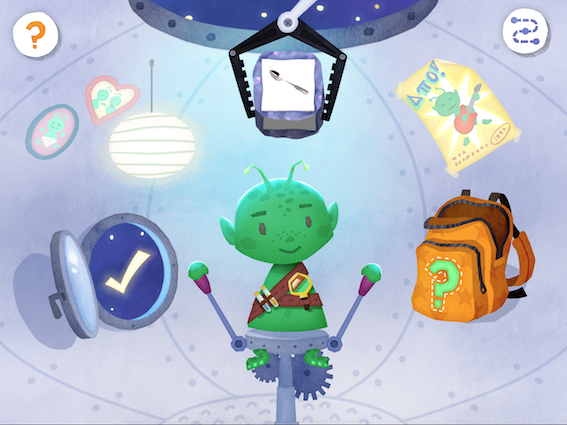
Laudation Little Milu is so cute—an alien who arrives on Earth in his spaceship and discovers new words together with the children. The journey takes them to a city, the market, or various professions. And everywhere they go, new words await for the children to learn. And you don’t have to know how to read, because all the words are spoken aloud. They can even choose the game character and game mode themselves. Children love this variety, which keeps learning from getting boring. It’s even rewarding, because after they’ve learned something well, there are little games to help them relax. And they discover the words for the things they’re learning in everyday life, which helps them name them correctly. It’s great when kids can point to something and know the word for it. And Milu is an important companion in this journey—one the kids come to love. So let’s go—out into the world to better understand it with the words they’ve learned.
2nd PLACE
App & Character: EDURINO: Alex – Learning to Tell Time (Edurino)
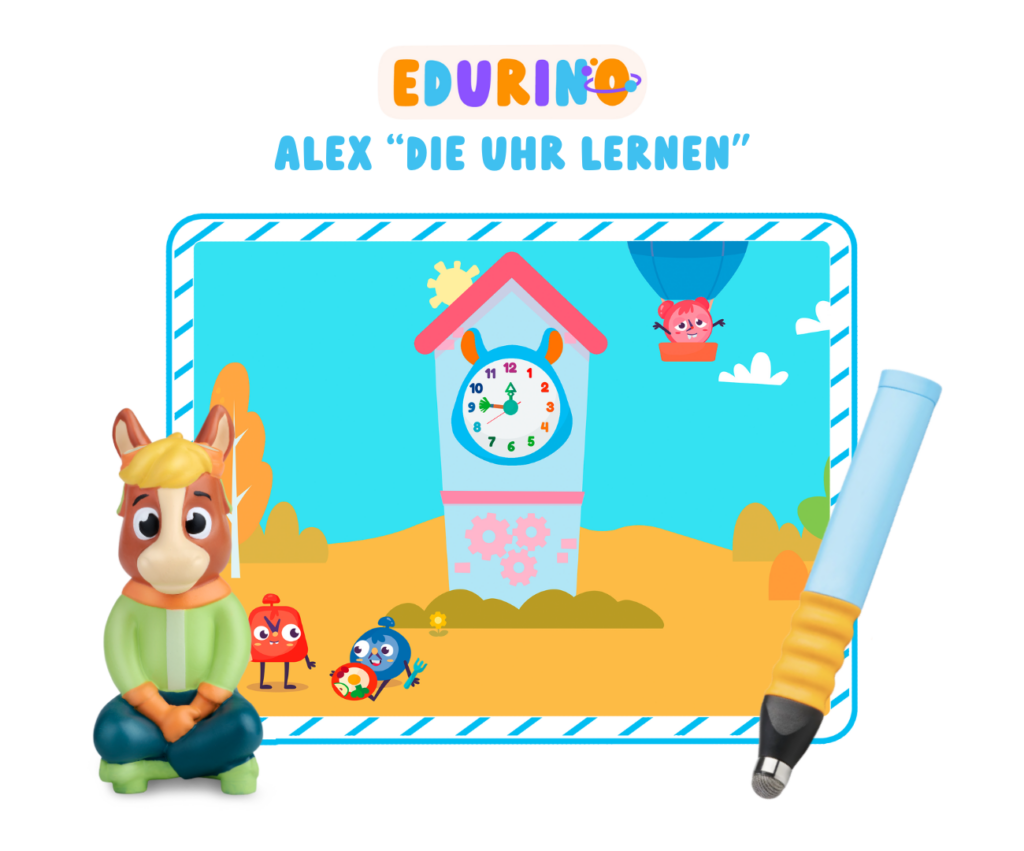
Laudation: While some children already have a digital clock on their nightstand or see one on a tablet or smartphone, can they actually tell time on an analog clock with hour and minute hands? Most of the time, no. That’s why it’s important for them to be able to do so when they see analog clocks at train stations or in public places. Alex the horse in the app helps them correctly understand the positions of the hour and minute hands. The app also takes them on a journey through time. This is always exciting for children because they learn a lot along the way. They also enjoy the well-designed graphics. When children learn to tell time, they become more independent and self-confident. This means adults can no longer cheat by setting time limits during play, since the children can then keep track of the time themselves.
1ST PLACE
App & Card Set: Scavenger Hunt (Dennis Westermann)
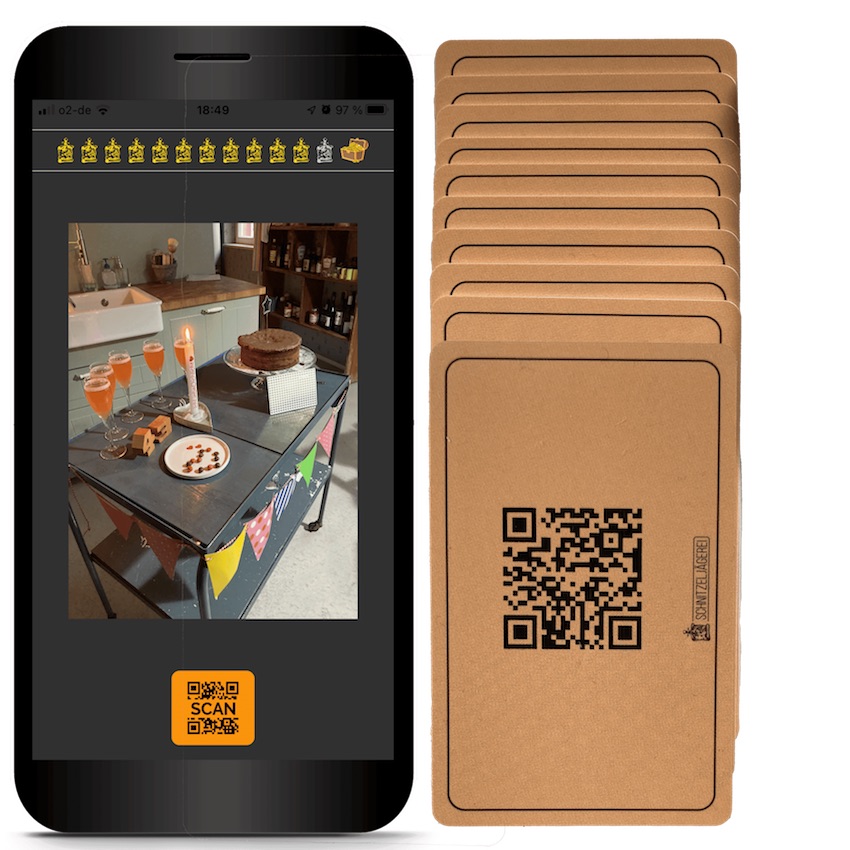
Laudation: Kids love hide-and-seek. And one classic game is the scavenger hunt, in which objects or riddles are hidden for others to find. “Schnitzeljägerei” now brings this idea to an app for kids. But not everything is digital—the ten game cards are meant to be hidden in a room or outdoors. The hiders then use the app to take a photo of just a small portion of the hiding spot, so that only the clues are visible. Using the same app, the other children search for the hidden cards based on the photos. Then they scan the QR code on the card they’ve found and look for the next one. At the end, there’s a prize. The kids have a lot of fun with this, and they realize that it’s not just about choosing good hiding spots—it’s also about framing the photo just right.
About TOMMI
TOMMI.kids is the landing page for all TOMMI activities and is aimed at parents, educators, libraries, and influencers. The focus is on successfully organized events for children and teens—featuring meaningful participation, concrete media literacy training, and lots of fun. These offerings include the renowned German Children’s Software Award TOMMI, the TOMMI Digital Preschool Award for early childhood media education, and the new and informative TOMMI Magazine.